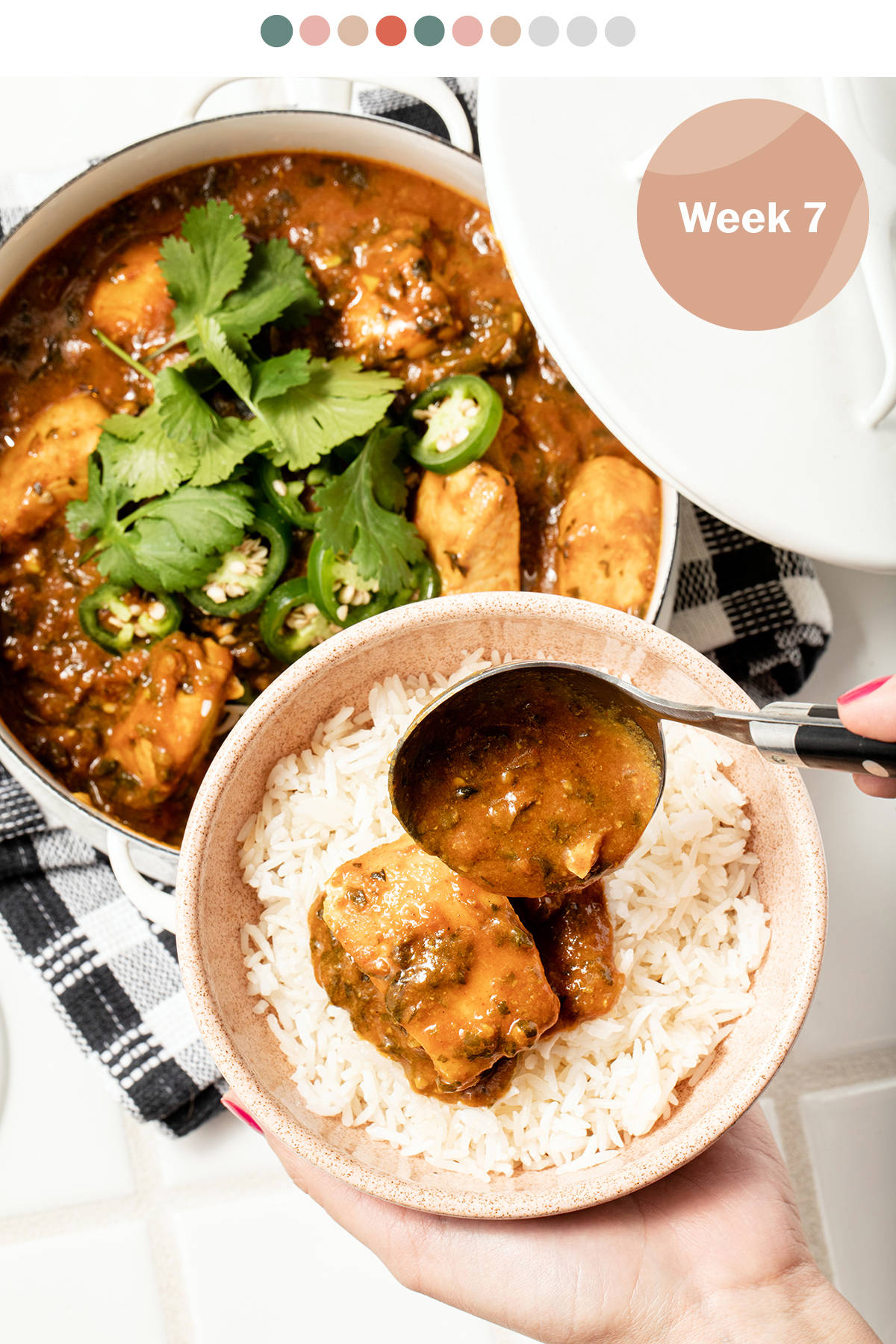
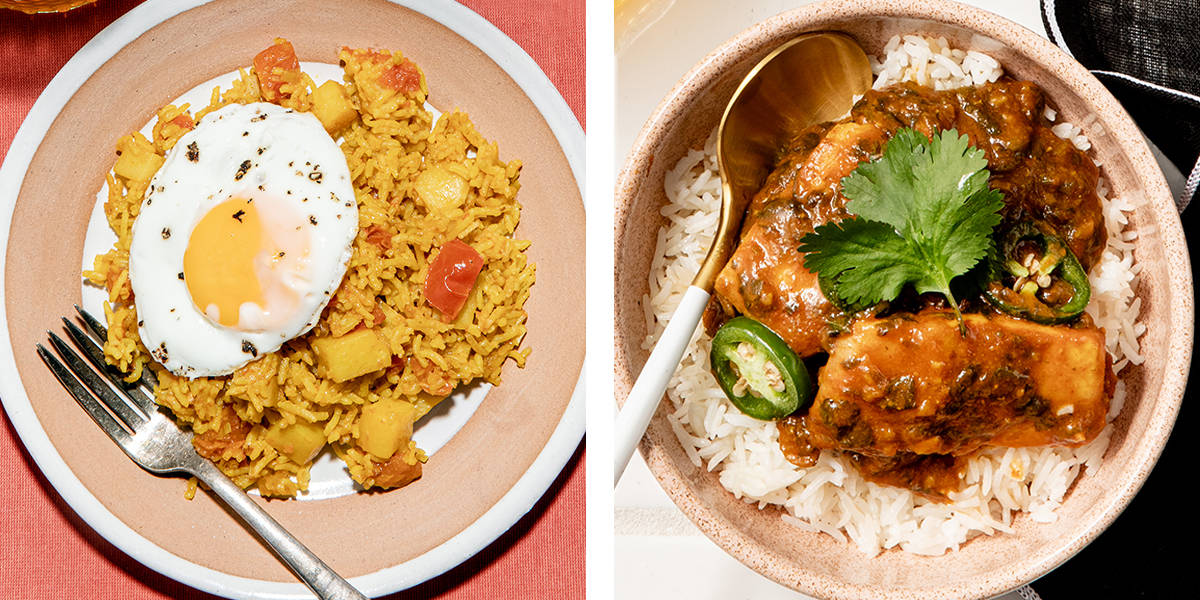
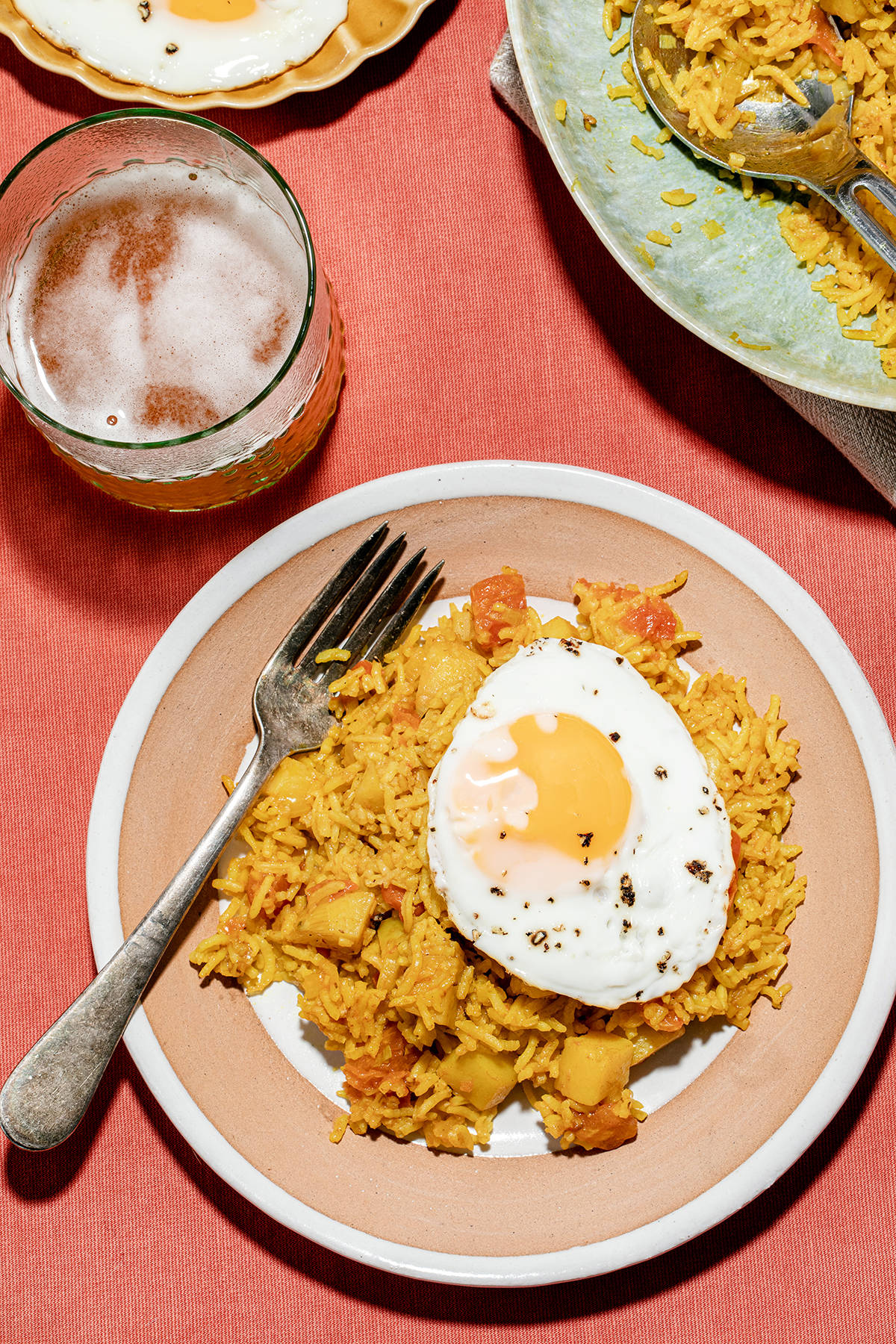
Naz Deravian's 'Bottom of the Pot'As a food writer, and one of Jewish descent, I find it encouraging to see more Americans open up to Middle Eastern food. If it's not a full-throttle enthusiasm for the cuisines of that region themselves, then it's the growing popularity of their ingredients. We've got tahini in our chocolate tarts and pomegranate molasses drizzled on our roast vegetables, and we like it. But I've noticed something: The same people who've begun welcoming harissa and hummus into their pantries tend to think of Israeli cuisine as a kind of catchall or synecdoche for all Middle Eastern cooking. This made me slightly wary to select an Israeli title for this list. I've noticed something else: A lot of the survey cookbooks that try to get at multiple countries and regions can feel dated, or dauntingly encyclopedic, and often aren't so great on recipes. When I started to think about which of the cookbooks that deal with Middle Eastern cuisine have been the most successful, those observations became moot. Iranian-born Naz Deravian's "Bottom of the Pot" is that rare title that's both edifying and relatable, probably because she personalizes it. Her family left Tehran when she was a child amid the chaos and violence of the 1979 Iranian Revolution, and the comfort of homemade meals of chelo khoresh (rice and stew) shared at the kitchen table. They moved to Rome, the city where her parents met, a "safe haven" where platters of tomatoes and mozzarella were served one night, and chelo kebab (rice and kebab) another. Next, they landed in Canada, where Deravian stayed until moving to Los Angeles after college. Missing "a taste of home," she asked her mother to share the recipes for her favorite Persian dishes. Except they weren't exactly recipes. "This was cooking that relied on intuition, constant tasting and a good dose of lemon juice." In her debut, Deravian translates that cooking into recipes of her own that come attached to stories. Everyone loves a good story, but this is a cookbook list; the food's gotta come first, and if it doesn't pass muster, the whole enterprise is a fail. I shouldn't have to tell you, "Bottom of the Pot" passes with flying colors. Persian food is divine. I'm sure you've heard about this tahdig everyone's talking about; wouldn't you like to try it? To get the bottom of your pot to produce that saffron-dyed golden sunset-colored crust of rice so crispy that the crunch reverberates around the table? (I've done it. It takes practice and patience, but even the iffy results are irresistible.) Wouldn't you love to serve nazkhatoun, a smoky-tart-sweet dip of charred, collapsing eggplant popping with pomegranate seeds at your next dinner party? (My hand is raised.) Or offer one of a multitude of warming stews, like the intensely herbaceous, fenugreek-fragranced lamb dish khoresh ghormeh sabzi, which Deravian says "could very well be the dish of Iran" to your loved ones? (Um, yes.) To appreciate sourness, and the scene-stealing capabilities of fresh herbs? (Thank you for this, Naz!) To waste nothing and feel as though you're eating food fit for royalty? (What silly goose is saying "no" right now?) Now that I've managed to trigger my own hunger pangs, I'm signing off to make Deravian's Kateh Estamboli. You should, too! Make it for dinner tonight! You probably have all the ingredients you need lying around: It's rice with tomatoes and potatoes, and a few seasonings that go a long way. Oh, and you can put an egg on it.  | Menu | Kateh Estamboli When it's cooked with potatoes and tomatoes, rice can be a satisfying meal unto itself, or a foundation to build on. Ghalieh Mahi (Spicy Tamarind Fish and Herb Stew) Check out this soulful, make-ahead stew that amplifies the importance (and deliciousness) of sourness in Persian food, courtesy of tamarind and chile.  | Focus on the stories | Naz is a natural storyteller, whether she's describing a memory of life in Iran or imparting some knowledge of the customs and history behind Persian cuisine. She slips "kitchen folklore" in, too: An ancient belief tracing back to the Zoroastrians designates ingredients either garmi (hot/warming) or sardi (cold/cooling), depending on how they affect the body. "This theory also extends to each person's temperament," the author tells us. "If you're the type of person who burns hot (emotionally and otherwise), you might consider consuming more cooling foods, such as yogurt; if you're more temperate in nature, you might consider more warming foods, such as walnuts and dates." Balance is key.  | Recipes | Kateh Estamboli Rice combined with potatoes and tomatoes — amped by ever-reliable leek, onion and garlic, along with the turmeric that stains it marigold yellow — is one of Deravian's comfort foods. It's a Persian dish, but it makes me think of an American diner classic — potato hash. Maybe that's because Deravian mentions that she liked to have hers with a sunny-side up fried egg on top, as pictured above, for its runny, saucy yolk. She suggests some other accoutrements: yogurt, a showering of fresh herbs or meatballs. MAKE AHEAD: Kateh Estamboli can be stored in the refrigerator up to 3 days or in the freezer up to 3 months; drizzle with water when reheating to plump the rice again. For easy printing and scaling, view this recipe on our website at washingtonpost.com/recipes. IngredientsServings: 6
Active time: 50 minutes
Total time: 1 hour 50 minutes 1/4 cup olive oil
1 leek, white and light green parts only, halved and thinly sliced
1 yellow onion, diced
2 teaspoons kosher salt, plus more as needed
1/2 teaspoon ground turmeric
1 large Yukon Gold potato (about 8 ounces), peeled and cut into 1/2-inch cubes
3 cups chicken broth or water (or a combination)
Freshly ground black pepper
3 large tomatoes (about 1 1/2 pounds), diced
2 large cloves garlic, minced or grated
1 1/2 cups basmati rice, rinsed until the water runs clear, then drained
1/4 teaspoon ground saffron
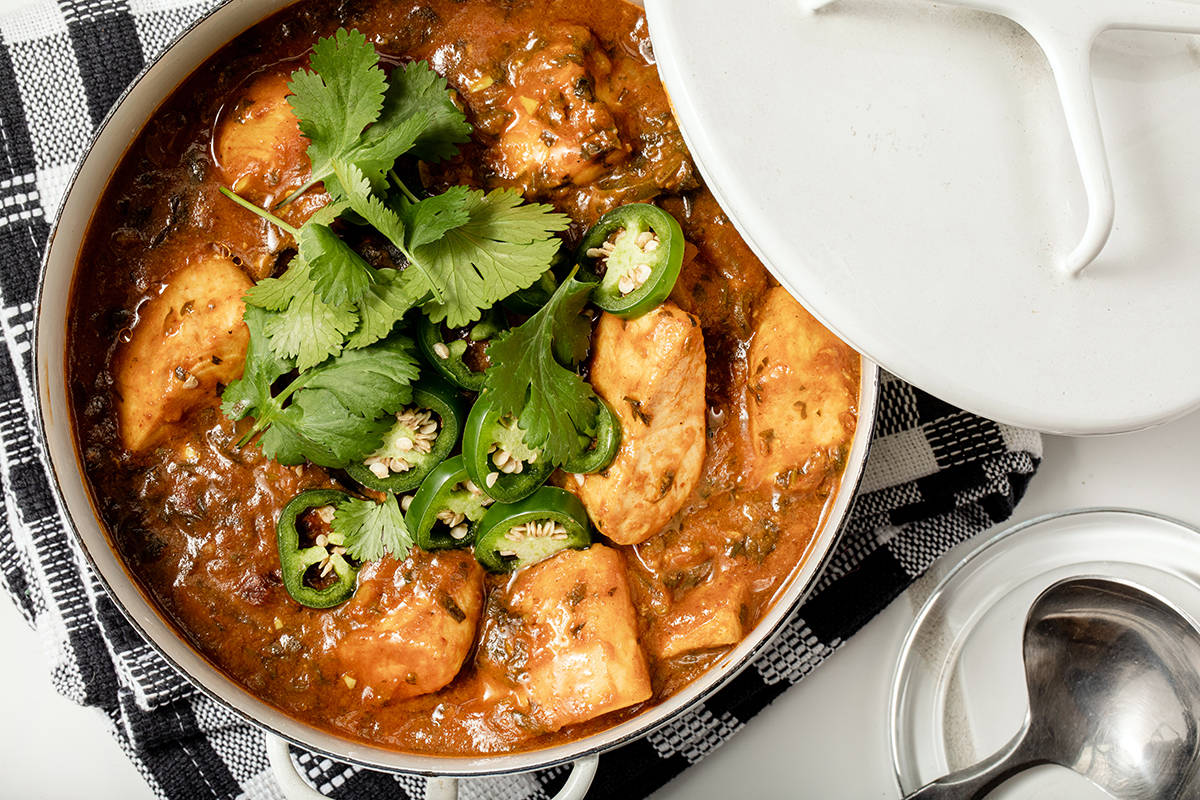
2 tablespoons unsalted butter, cubed (may substitute olive oil) StepsIn a large pot over medium heat, heat the oil until shimmering. Add the leek and onion. Cook, stirring frequently until golden brown and fragrant, about 15 minutes. Sprinkle with a little salt and add the turmeric. Stir and add the potatoes. Cook the potatoes, stirring occasionally, for 10 minutes. Meanwhile, in a saucepan, bring the chicken broth to a boil (or boil 3 cups water in a kettle). Season the potatoes well with salt and pepper, and add the tomatoes and garlic. Sprinkle the tomatoes with a good pinch of salt, and cook until they just begin to release their juices, about 3 minutes. Stir in the rice and cook for 2 minutes. Add the boiling broth or water, 2 teaspoons of the salt, the saffron and butter. Stir to combine. As soon as the liquid comes to a boil, cover and reduce the heat to low. Cook just until all the liquid has been absorbed, about 25 minutes. If you don't have a glass lid, it's okay to lift the lid to check. Remove the lid, wrap it in a kitchen towel or a couple of layers of paper towel to catch the condensation and put it back on the pot. Make sure the towels are secured up top, so they don't catch fire. Place the lid firmly back on the pot. Cook until the rice is cooked, and all the flavors have melded, an additional 30 to 40 minutes. Nutritional facts (per serving): Calories: 358; Protein: 7 g; Carbohydrates: 51 g; Fat: 14 g; Saturated Fat: 4 g; Cholesterol: 10 mg; Sodium: 544 mg; Fiber: 4 g; Sugar: 4 g. Ghalieh Mahi (Spicy Tamarind Fish and Herb Stew)This dish, in addition to being one of the more memorable stews you'll meet, is a teachable moment. Deravian uses it for a lesson on "chashnee," a Persian word, she explains, that describes "a particular ingredient that adds a flavor to a dish," but not just any ingredient — it's the spice or special something "that brightens the dish, bringing it to life, like lemon or vinegar," and it changes from one region to the next. In the South of Iran — the Persian Gulf region — chashnee is defined by incomparably tangy tamarind and the heat of chile pepper. Seafood's big in that area (it's on a gulf, people), which accounts for the fish.
MAKE AHEAD: The stew can be prepared 3 days in advance without the fish. Reheat, adding more water and seasoning as needed, and add the fish to cook. NOTE: If the tamarind paste contains seeds, you may want to strain it through a fine sieve before adding to the sauce. For easy printing and scaling, view this recipe on our website at washingtonpost.com/recipes. IngredientsServings: 6
Total time: 1 hour 3 tablespoons olive oil
1 medium yellow onion, diced (1 cup)
2 teaspoons kosher salt, plus more as needed
6 cloves garlic, crushed to a paste or finely grated (2 tablespoons)
1 teaspoon ground turmeric
1 red serrano or small jalapeño chile pepper, thinly sliced, plus more for garnish
3 bunches fresh cilantro, tough stems trimmed, finely chopped (5 to 6 cups, chopped); plus some whole leaves reserved for optional garnish
2 tablespoons dried fenugreek, or 1/2 bunch fresh leaves, finely chopped
2 tablespoons unbleached all-purpose flour
2 tablespoons tamarind paste, dissolved in 2 cups warm water, plus more to taste (See NOTE)
2 tablespoons tomato paste
2 teaspoons brown sugar or honey, plus more to taste (optional)
Cayenne (optional)
2 pounds cod, halibut or other firm-fleshed fish
Freshly ground black pepper
Cooked rice, for serving StepsIn a large pan, heat the oil over medium-high heat. Add the onion and cook, stirring frequently until golden brown, about 6 minutes. Sprinkle with a little salt, reduce the heat to medium, and add the garlic, turmeric and chile pepper. Cook, stirring frequently, until fragrant, about 1 minute. Add the cilantro and fenugreek and cook, stirring frequently, until fragrant and the cilantro has considerably wilted, about 10 minutes. Add the flour and 2 teaspoons salt and stir to incorporate for 1 minute. Stir in the tamarind mixture and tomato paste. Reduce the heat to medium-low and simmer, uncovered, until thickened, about 10 minutes. Taste as it simmers and make it delicious. If the sauce is too sour, add the sugar or honey to take the edge off the tang. Taste again for salt (keep in mind you will salt the fish as well), heat (add cayenne if you like), and more tang from tamarind. Meanwhile, cut the fish into 2-inch pieces and season well with salt and black pepper. Raise the heat to medium, add the fish, and simmer, uncovered, until the fish cooks through, 10 to 15 minutes. Stir gently to make sure nothing sticks to the bottom of the pan. If the stew gets too watered-down, remove the fish and raise the heat to reduce the sauce a little, if it's too dry, add a little more water. Garnish with more chile peppers, if you like, and serve with rice. Nutritional facts (per serving): Calories: 242; Protein: 29 g; Carbohydrates: 14 g; Fat: 8 g; Saturated Fat: 1 g; Cholesterol: 65 mg; Sodium: 659 mg; Fiber: 2 g; Sugar: 4 g. Join our virtual cookbook club!Chat about the books, ask questions and share your creations by joining the Essential Cookbooks Facebook group here, and show others you've joined the club by posting your recipe photos on Instagram using #voraciouslycookbooks. Have a question?Email us at voraciously@washpost.com or message @eatvoraciously on Instagram. Charlotte Druckman is a journalist and food writer. She conceived and edited the collection "Women on Food" and is the author of "Skirt Steak: Women Chefs on Standing the Heat" and "Staying in the Kitchen." In addition, she has written two cookbooks — "Stir, Sizzle, Bake: Recipes for Your Cast-Iron Skillet" and "Kitchen Remix: 75 Recipes for Making the Most of Your Ingredients," and co-wrote chef Anita Lo's "Cooking Without Borders." She lives in New York City. Find her on Instagram (@chardrucks) or Twitter (@cettedrucks). Photos by Justin Tsucalas; food styling by Nichole Bryant; props by Limonata Creative; illustrations by Louisa Cannell, all for The Washington Post. |



 Email
Email 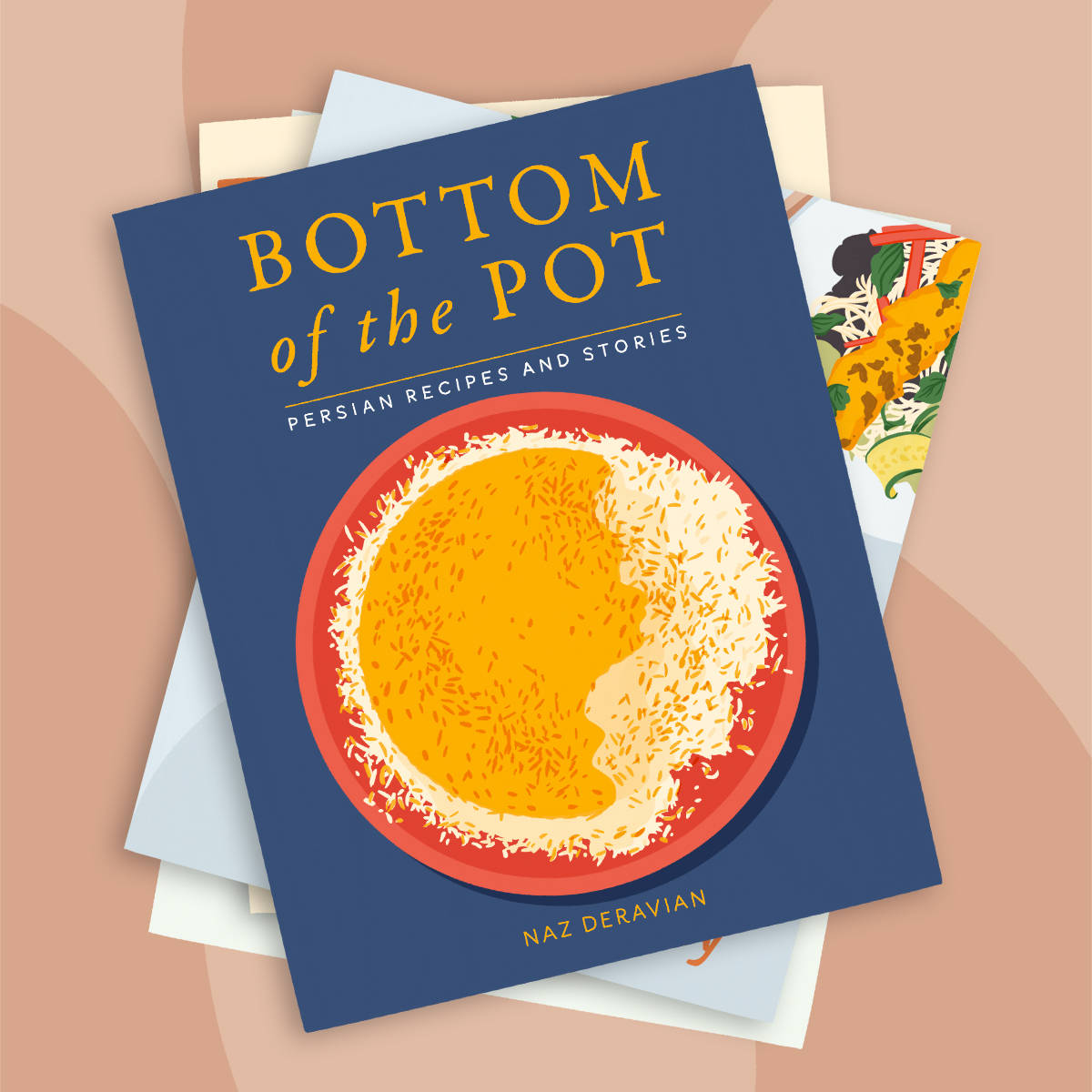




No comments:
Post a Comment