DEC Proposes Amendment to Fisher and Marten Trapping Regulations 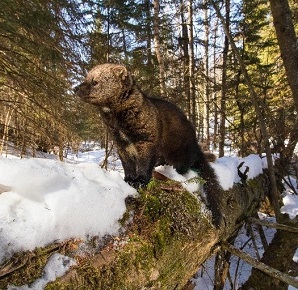 After DEC completed the New York State Fisher Management Plan (PDF) in 2016, we adopted regulations to revise the fisher trapping season in some regions and open new fisher trapping opportunities in others. The adopted regulations also required a free special permit for all fisher trapping. The special permit allowed DEC biologists to collect biological data on harvested fisher and trapping effort data, information necessary to ensure sustainable harvest opportunities for this popular furbearer. After five seasons of data collection, sufficient information on harvest pressure and take has been collected such that the special permit is no longer needed. The information from trapping activity logs, fisher carcasses, and field surveys in areas open to fisher harvest all confirm that fisher are abundant and current harvest opportunities are sustainable. After DEC completed the New York State Fisher Management Plan (PDF) in 2016, we adopted regulations to revise the fisher trapping season in some regions and open new fisher trapping opportunities in others. The adopted regulations also required a free special permit for all fisher trapping. The special permit allowed DEC biologists to collect biological data on harvested fisher and trapping effort data, information necessary to ensure sustainable harvest opportunities for this popular furbearer. After five seasons of data collection, sufficient information on harvest pressure and take has been collected such that the special permit is no longer needed. The information from trapping activity logs, fisher carcasses, and field surveys in areas open to fisher harvest all confirm that fisher are abundant and current harvest opportunities are sustainable.
For several years, trappers were also required get a special marten trapping permit and to submit the carcass of harvested martens so biological data could be collected to help managers understand population dynamics. A sufficient amount of data has been collected such that marten carcasses are no longer needed for harvest management of this species, but the special permit is still needed to help managers track trapping participation and effort. The proposed regulations would remove the requirement for trappers to obtain a special fisher trapping permit. The proposal would also remove the requirement for trappers to submit marten carcasses while maintaining the requirement for a special pine marten permit. A trapping license and pelt sealing would still be required for both fisher and marten. To review the proposed regulations and submit comments, visit the Fish and Wildlife Proposed Regulations page. Written comments will be received through August 15, 2021. Photo courtesy of Ryan Pennesi.
Be BearWise This Summer! 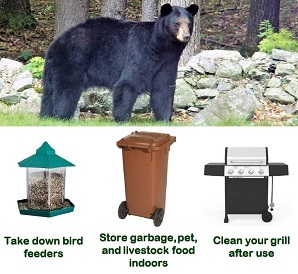 Summer is a busy time for bears. Young bears disperse from family groups, breeding bears search for mates, and all bears forage for food to gain the fat needed for winter. With this increased activity comes a greater potential for human-bear conflicts when bears find food near people. Take a few simple steps this summer to protect your community and the bears from harm. Summer is a busy time for bears. Young bears disperse from family groups, breeding bears search for mates, and all bears forage for food to gain the fat needed for winter. With this increased activity comes a greater potential for human-bear conflicts when bears find food near people. Take a few simple steps this summer to protect your community and the bears from harm.
- Secure garbage indoors or a locked outbuilding until the morning of pickup
- Remove bird feeders
- Clean grease from grills
- Secure livestock food, and don't feed pets outdoors.
Remove the attractants to live responsibly with bears. For more information, please visit DEC's webpage on reducing human-bear conflicts.
On the Hunt for Invasive Species: New #OnesToWatch Map Helps Protect our Lands and Waters Making sure the lands and waters you love to hunt and fish stay healthy is one of the best ways we can support wildlife. Invasive species are plants and animals that not only harm our forests and waterways, they can harm New York's fish and wildlife. Hunters, anglers, and wildlife watchers like you can be a first line of defense, and there's an easy way for you to know what to look for: DEC's #OnesToWatch interactive map! 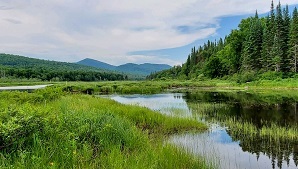 The #OnesToWatch map makes sure you know what invasive species we are looking for in your area and how you can identify them. It also makes it easier for you to quickly report them to us. Click on your region of the map to see the species DEC is tracking in your neck of the woods. Then, follow the link for each species to find more detailed information, including info on how to easily report sightings. Your reports can help protect the places you know and love for generations to come! The #OnesToWatch map makes sure you know what invasive species we are looking for in your area and how you can identify them. It also makes it easier for you to quickly report them to us. Click on your region of the map to see the species DEC is tracking in your neck of the woods. Then, follow the link for each species to find more detailed information, including info on how to easily report sightings. Your reports can help protect the places you know and love for generations to come!
For more information on DEC's #OnesToWatch campaign and the successes we've had as a result of people like you getting involved, visit our find and report page. Photo courtesy of Sandy Van Vranken. | 


No comments:
Post a Comment