| Defense contractors are highly vulnerable to ransomware and similar cyberattacks that have been roiling other critical industry sectors, a report out today finds. Small and medium-size defense contractors are riddled with digital vulnerabilities, including poor protections for email and systems employees use to remotely access company data, according to the report from BlueVoyant. Many were also using outdated software that hadn't been patched against known computer bugs. Those vulnerabilities are dangerous for the companies, but they're even more concerning when you consider the nature of the defense sector — a massive interlocking web of contractors and subcontractors all sharing sensitive information on military projects worth billions of dollars. That means an adversary who hacks into any one of those smaller defense companies would have a far easier path to infecting one of the larger and better- protected companies it works with. "We want [this sector] to be better protected because it's so important and critical to national security, but it's not," Austin Berglas, global head of professional services at BlueVoyant, told me. 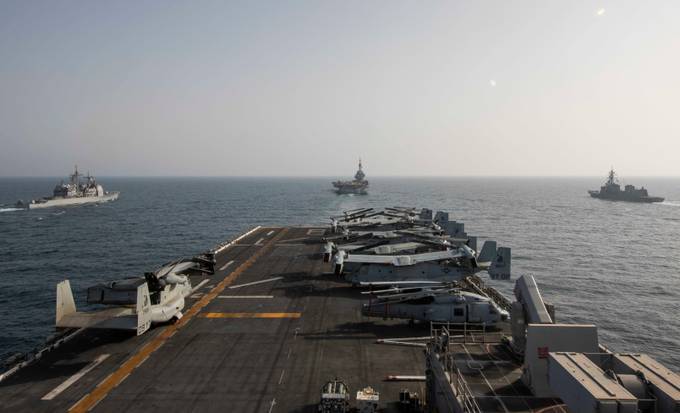 The deck of the amphibious assault ship USS Makin Island is seen in the Arabian Sea. (Mass Communication Specialist 3rd Class Ethan Jaymes Morrow/U.S. Navy/AP) | Indeed, it was just such a supply-chain breach of the network monitoring firm SolarWinds that allowed Kremlin hackers to compromise a slew of major companies and federal agencies. Supply-chain hacks have been top of mind for cyber analysts since the 2013 Target breach — the largest known hack at that point compromising customer information — in which hackers wormed in through the retailer's HVAC vendor. But such breaches have only become more common since then. "Cyber criminals aren't targeting the big dogs on the block," said Berglas, who was formerly an assistant special agent in charge of the FBI's New York cyber branch. "They're not targeting the prime contractors that have the money and resources to build up firm and solid cybersecurity. What they're targeting is the smaller subcontractors down the supply chain." The study examined publicly available data of about 300 small and medium defense contractors. That's just a fraction of the approximately 100,000 to 300,000 companies that contract directly with the Defense Department and its components. Here's what the researchers found: - More than half of the companies had vulnerabilities that put them at high risk for ransomware attacks, in which hackers lock up the victims' computers and demand payment to unlock them.
- Nearly half had vulnerabilities BlueVoyant considers "severe," such as running software that's outdated or known to be insecure.
- Nine of the companies had still not protected themselves against a major flaw discovered in Microsoft's email software more than six months after it was first discovered and raised alarms across the federal government.
- The vulnerabilities were worst among defense contractors focused on manufacturing and research and development.
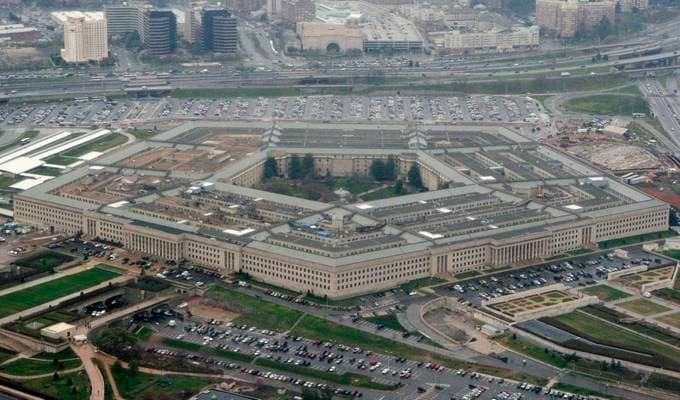
BlueVoyant didn't share names of any of the 300 companies. 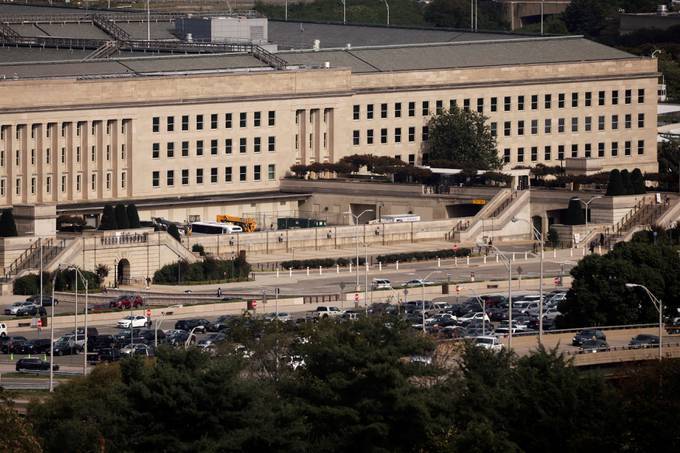 The Pentagon. (Carlos Barria/Reuters) | The report comes amid rising concern about widespread cyber vulnerabilities across large swaths of critical industries. The past two months have seen blockbuster ransomware attacks targeting the pipeline and food sectors. New reports suggest U.S. water supplies are at high risk of hacking. President Biden proposed that such critical infrastructure should be off limits from hacking in his recent meeting with Russian President Vladimir Putin in Geneva, listing 16 sectors that include the defense industrial base. However, U.S. officials typically have declined to endorse limits on hacking that is for purely espionage purposes, which would include nations spying on each other's defense contractors. | Share The Cybersecurity 202 |  |  |  | | | 


 Email
Email 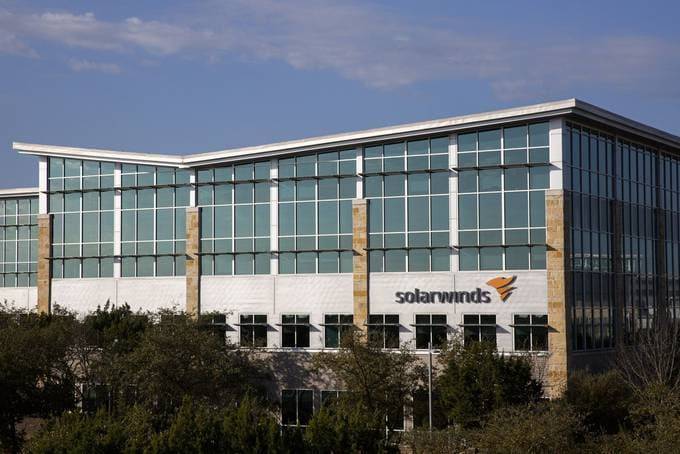



No comments:
Post a Comment