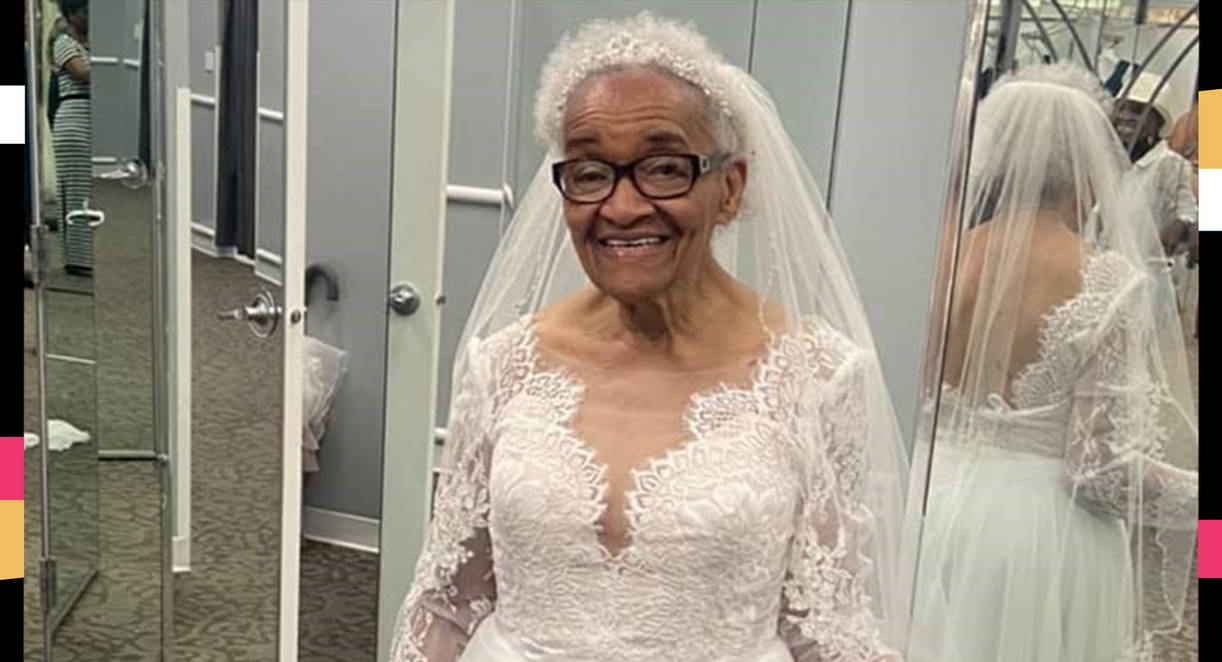
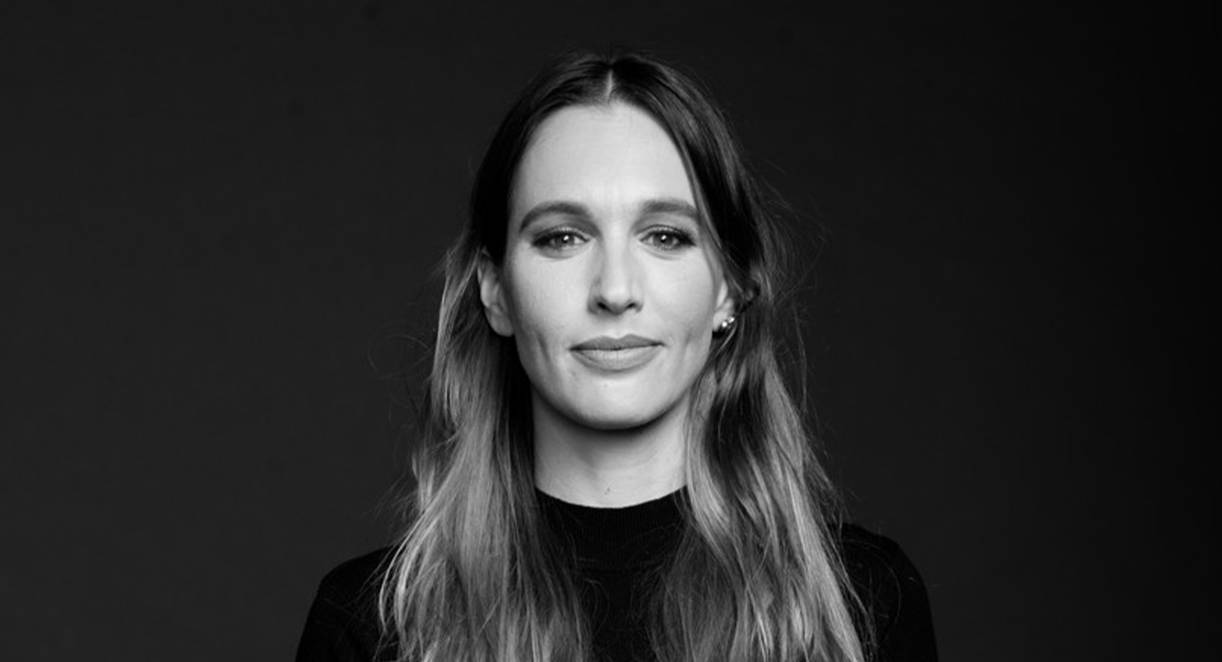
Published by  | | | | On July 26, 1990, then-President George H.W. Bush signed the Americans with Disabilities Act into law. For the first time, the rights of disabled people in the United States — in employment, public services, transportation and more — were federally protected, and comprehensively so. But the fight for fully realized disability rights continues today, from having to overcome unique obstacles in the pandemic to only just securing equal pay at this year's Paralympics. Ahead of the anniversary of the ADA, we asked three women to write about moving through the world as a disabled person: the challenges, triumphs, everyday realities. We included snippets of their essays below — but encourage you to read them in full. | | 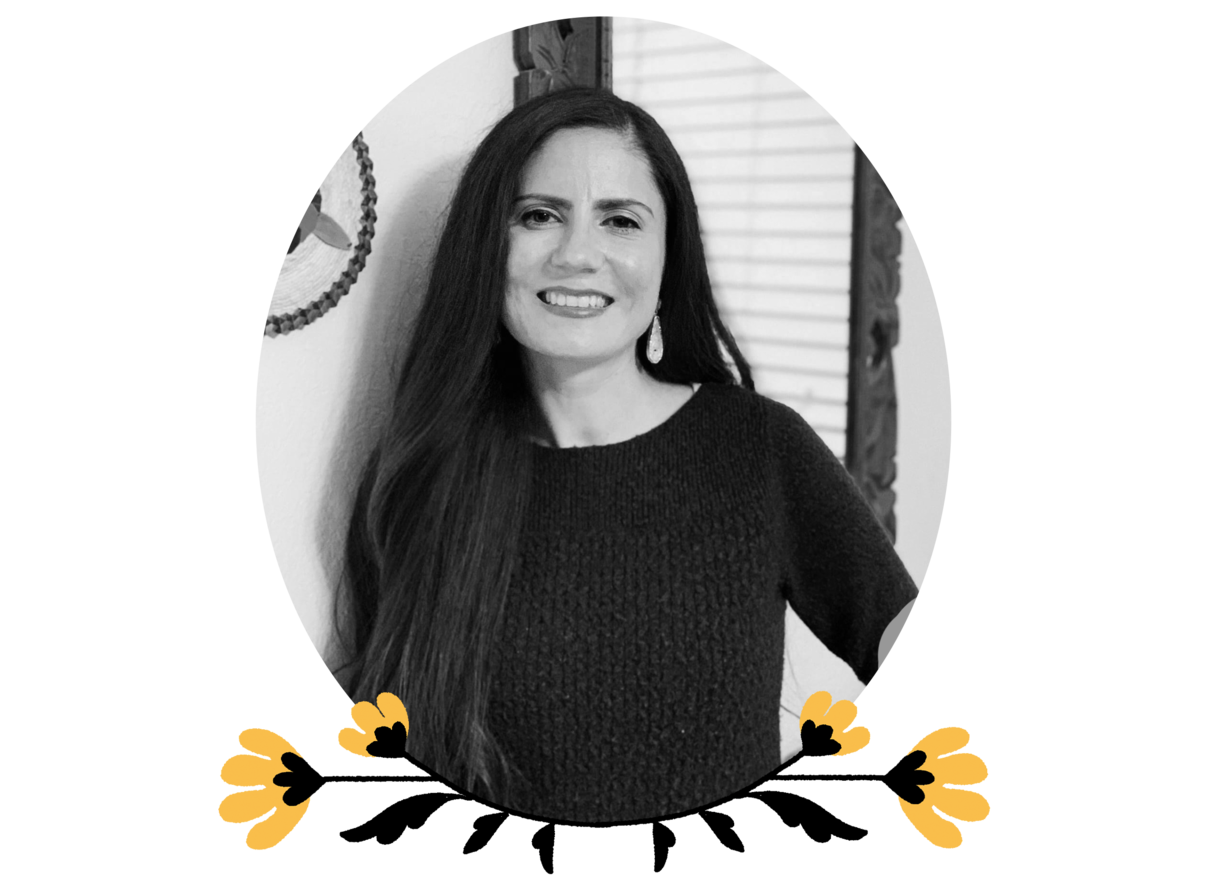 | Conchita Hernández Legorreta As we approach the anniversary of the Americans with Disabilities Act, I'm reflecting on how ironic the whole ADA title is for me. As a disabled immigrant, I have not always considered myself American, nor disabled. I immigrated to the United States with my family from Mexico one year after the passage of the ADA. Like many immigrants before and after us, my family sought a better way of life. My older brother and I are blind and would not have access to opportunities in Mexico, so my parents made the difficult and life-altering decision to overstay our visas in the United States. Being undocumented, living under the very real fear of deportation meant something different to my family: It implied going back to a place where we would not get the support that we needed in all aspects of our lives. | |  | Ruth Kogen Goodwin Last year, 30 years to the day the ADA was signed, and exactly one week after my 38th birthday, I opened my front door to a large, nondescript, brown box. After some moments peeling back cardboard and Styrofoam, I held my new walker — a device that promised simultaneously to give me new freedoms and, for the first time, to publicly identify me as disabled. I have a condition called Postural Orthostatic Tachycardia Syndrome (POTS), a type of dysautonomia. When I stand too long, I can collapse or even faint. POTS is a serious disorder with significant consequences. But before I began to use my walker, if I chose not to reveal that I had it (and unless I fainted), no one would have known. | | 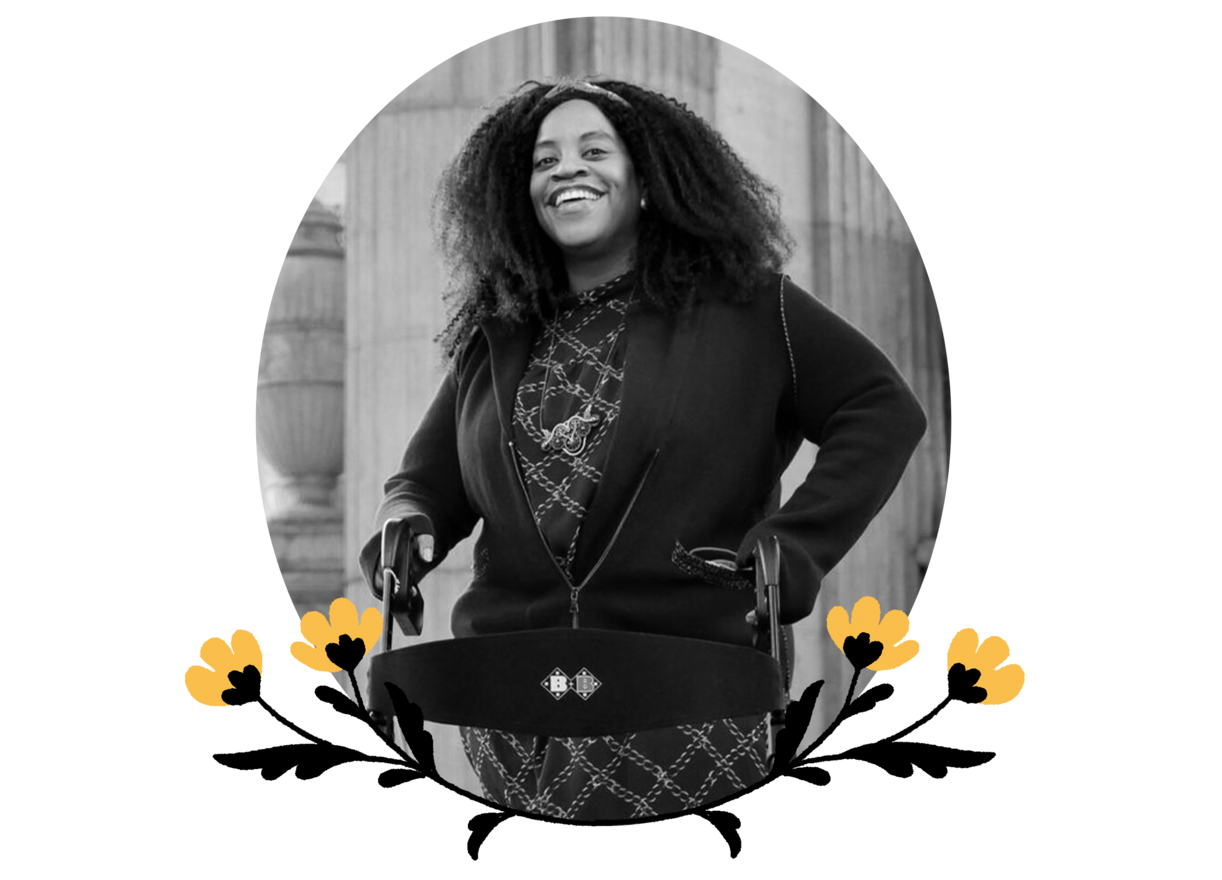 | Robin Wilson-BeattieBeing a Black, disabled woman is a daily exercise in continuously defying the expectations of others. My race, gender and physical disability are visible, which means constantly fighting against the standards and script the world expects you to follow. My existence is literally resistance, so I live that life. When multiple parts of your physical self and social status are seen negatively, there is a constant pressure to be exceptional at whatever you choose to do. | | (Photos by Malena Hernandez, Blossom Blue Studios and Katie Lauer) | | | | | Three need-to-know stories | | | (Jamie Squire/Getty Images) | 01.The Tokyo Olympics officially kicked off with Opening Ceremonies on Friday; Naomi Osaka, the world's No. 2 female tennis player and one of Japan's biggest celebrities, lit the Olympic cauldron. Follow The Washington Post's live updates here. 02.U.K. researchers say laparoscopic surgery may not be as effective as previously thought in relieving symptoms for endometriosis patients — and could actually worsen pain in some cases. For many patients, the latest finding highlights the need for more research into the condition. 03.With cases from the highly contagious delta variant on the rise, St. Louis became the latest major U.S. city to revive its mask mandate, joining Los Angeles in requiring face coverings indoors. Here's what you need to know about staying safe from the virus. | | | | | | | A story to make you smile | | | As a Black woman living in Birmingham, Ala., in the 1950s, Martha Tucker was barred from entering a bridal shop because of her race — and forbidden from trying on her dream wedding dress. She imagined an embroidered white gown with lace overlay and long sleeves. Tucker, now 94, and her husband wed in a simple ceremony in their pastor's living room. Not having a traditional wedding — or dress — has been a sore spot ever since, writes Sydney Page in The Washington Post. When Angela Strozier, 46, heard her grandmother's story, she booked an appointment at a local David's Bridal and invited several family members to surprise Tucker at the shop. There, Tucker got to try on her dream dress — nearly 70 years after her wedding day. "It made me feel like a real bride. I wish I had been in that dress when I got married," said Tucker, whose husband died in 1975. "I wish he could have seen me in it." | | | | | | (María Alconada Brooks/The Washington Post) | | The changing nature of the pandemic has brought ample social challenges. That includes big events, like returns to the office, as well as the most mundane small talk encounters. Have you experienced awkward situations in this "new normal"? Have you struggled to set a boundary with a co-worker or stranger? Has someone asked, "How was your pandemic?" and left you speechless? We want to know about all of it. Let us know here. | | | | | But before we part, some recs | | | (Marvin Joseph/The Washington Post) | María Alconada BrooksArt director, The Lily What I'm about to start reading:"Nuestra Parte de Noche," by Mariana Enriquez. This is a dark novel, full of supernatural horror, Saint Death and mediums — not something I would normally pick up. But then I saw it on Twitter, two friends recommended it, and my mother-in-law lent it to me. I'm a bit scared, but can't wait to start it. What I'm perfecting in the kitchen:Homemade squash gnocchi. It does take a long time, but I find it super relaxing. Truth be told, they can be a bit tricky: Too much flour will make them hard as a rock, but watery squash will require more flour. It helps to cook the squash in the oven, not in water. What I'm drinking at night:I substituted my regular nightly black tea for green tea. It's supposed to have many health benefits, and although I've heard it's better to have green tea in the morning, I'm not sure it makes a real difference. | | | | |







No comments:
Post a Comment