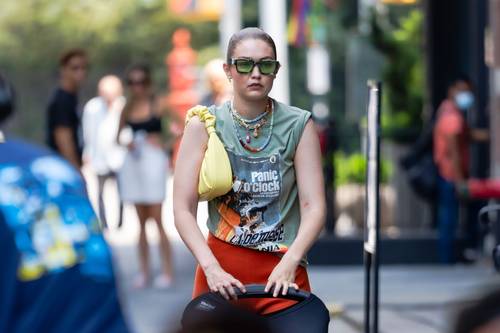
| When the doctor asked graphics reporter William Neff if he wanted to switch places and try stitching up the organs of the furry patient before him, Neff accepted. He was on assignment at a clinic, trying to learn enough about organ transplants so that he could explain and illustrate the process for a story. After shadowing researchers and observing what he could, this was the reporter's chance to learn by doing. And Neff's study aid would be a large rat, lying belly-up on an operating table with its organs exposed. So Neff, who loves animals ("even rats"), embraced the opportunity to gain hands-on experience. Then he began suturing the creature's organs like any amateur surgeon might — poorly. Fortunately for the rat, scientists were standing by and stepped in to save the day. "I was terribly curious about how all this worked, and that was the story, after all," Neff said, explaining his decision to perform rat surgery. "I needed to understand if I was going to say correct things in the paper." Neff followed that same sense of curiosity as he illustrated this week's feature story about the effects that extreme heat and humidity can have on the human body. As Neff's surgical experience shows, illustrating medical procedures isn't the same as performing surgery, but they do have one thing in common: making the right cuts. The most helpful diagrams visually prioritize the "chaos" of the human body, he said, with presentations that highlight or obscure organs and systems without sacrificing the accuracy readers want and deserve. Creating medical illustrations has become one of Neff's specialties during a 30-year career at newspapers around the country, including four years at The Washington Post. As Neff and reporter Ruby Mellen explain in this week's piece, climate change is causing extreme temperatures to occur more frequently, and it's making parts of the world incompatible with human life. During his research, Neff said he was surprised to learn why high temperatures can cause human organs to fail — proteins inside the body start to break down and it essentially begins to cook. Read this important, step-by-step breakdown of what happens to humans when sweat stops evaporating and then be grateful that you've never operated on a rat. 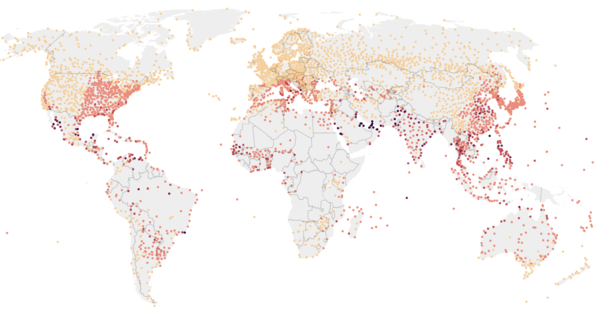 (Washington Post) Deadly heat waves sweeping the globe are prompting doomsday questions about extreme temperatures. By Ruby Mellen and William Neff ● Read more » |    | | | | The document captures the struggle of the nation's top public health agency to persuade the public to embrace vaccination and prevention measures as cases surge and new research suggests vaccinated people can spread the virus. By Yasmeen Abutaleb, Carolyn Y. Johnson and Joel Achenbach ● Read more » | | | | | | Notes on some calls by a senior Justice Dept. aide could become the subject of a legal fight, said two people familiar with the situation. By Josh Dawsey and Devlin Barrett ● Read more » | | | | | "January 6th still isn't over for me," Capitol Police Officer Harry Dunn told lawmakers. By Karoun Demirjian, Marianna Sotomayor and Jacqueline Alemany ● Read more » | | | | In a West Virginia community ravaged by opioids and threatened by covid-19, fighting one epidemic meant losing ground against the other By Peter Jamison ● Read more » | | | | | 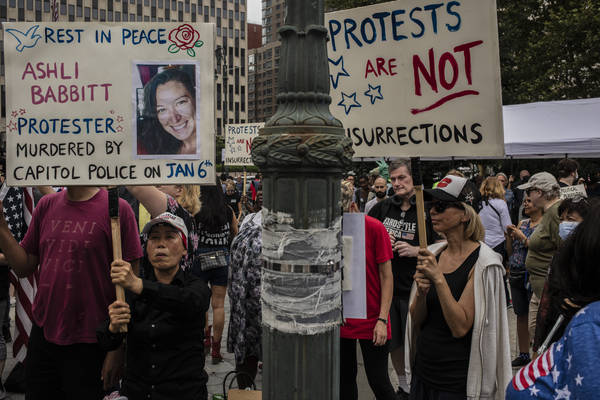 (Bryan Anselm for The Washington Post) Babbitt was shot and killed Jan. 6 by a police officer as hundreds stormed the Capitol in an effort to overturn the presidential election. In the months since, Trump and his allies have waged a campaign to rewrite the narrative of one of the darkest days in the U.S. history. By Paul Schwartzman and Josh Dawsey ● Read more » | | | | | | Plagued by a chronic illness, Rachel Hinken had to decide: What does she value more, her income or her wellbeing? By Ashley Fetters ● Read more » | | | | | When Simone Biles mentioned the "twisties" after withdrawing from the Olympics team final, some were confused, while gymnasts gasped. So what are the "twisties" and why are they so dangerous? By Emily Giambalvo ● Read more » | | | | Despite reforms, on-duty police officers have fatally shot more than 6,000 people since The Washington Post began tracking such shootings in 2015. Exclusive ● By Mark Berman, Julie Tate and Jennifer Jenkins ● Read more » | | | | | Gigi Hadid and Blake Lively are just two of the celebrities who have asked paparazzi to please leave their children alone. By Emily Yahr ● Read more » | | | |





 Email
Email 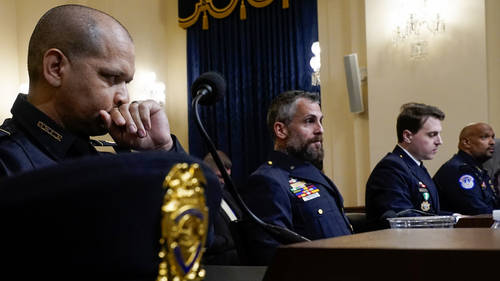



No comments:
Post a Comment