| When I was growing up in Florida, we didn't have air conditioning. It was too expensive to purchase and maintain. We made do with fans, which generally moved around hot air in the room until the outside temperatures cooled enough to chill the breeze from the whirling blades. I can't imagine now living without air conditioning — anywhere in the country, which this year has seen extreme heat in the most unexpected places. But a lack of air conditioning might not be the most serious threat to low-income residents, who are disproportionately racial minorities, and living in areas most affected by climate change. Our colleagues Darryl Fears, who covers climate justice, and Dino Grandoni, who covers climate change, delve into a new report by the Environmental Protection Agency about how the warming of the planet will hit people of color hardest. Washington Post reporter María Luisa Paúl captures the pain and pride of the predominantly Hispanic community of Lawrence, Mass., who lost one of their own, Sgt. Johanny Rosario, a U.S. Marine who was one of 13 service members killed by a suicide bomber in Afghanistan. We're taking Labor Day off, so no newsletter on Tuesday. Thanks for reading and we hope you enjoy the holiday weekend. 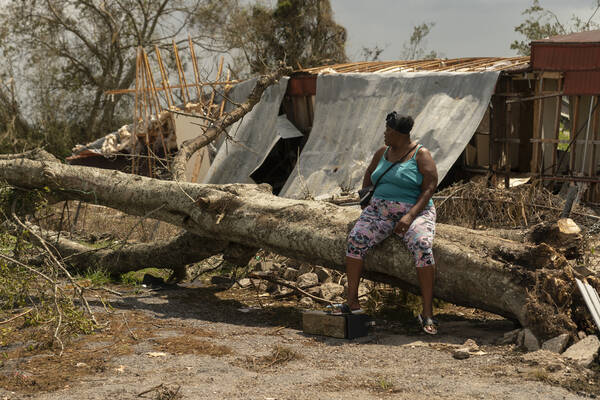 Nikita Robertson, 45, sits on a fallen tree in front of her Hurricane Ida-damaged home on Aug. 31 in Raceland, La. (Go Nakamura for The Washington Post) If the planet warms 2 degrees Celsius, new report warns, Black people are 40 percent more likely to live in places where extreme temperatures will cause more deaths. By Darryl Fears and Dino Grandoni ● Read more » | | | |


 Email
Email 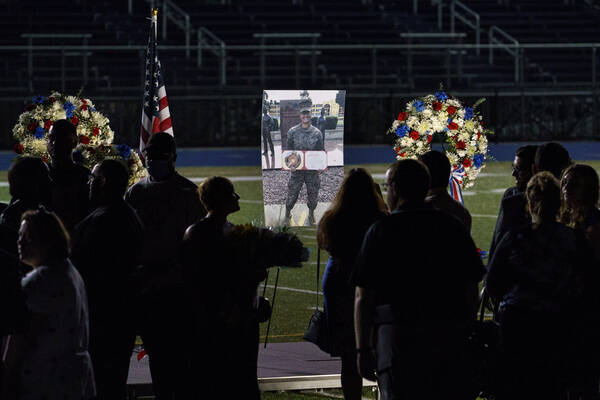



No comments:
Post a Comment