Look to the Skies for Migrating Birds this Fall 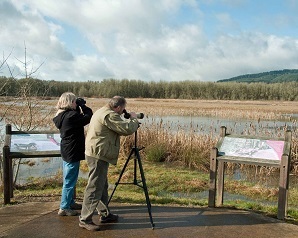 Each fall, migrating birds can be seen flying south to their wintering grounds. This is the ideal time of year for New York residents and visitors to head to Bird Conservation Areas across the state for great bird watching opportunities. Visitors can search fields and forests for warblers, sparrows, and other songbirds and explore lakes, ponds, and beaches to see waterfowl and shorebirds. While exploring, visitors can participate in hawkwatching to witness the amazing spectacle of raptor migration. Each fall, migrating birds can be seen flying south to their wintering grounds. This is the ideal time of year for New York residents and visitors to head to Bird Conservation Areas across the state for great bird watching opportunities. Visitors can search fields and forests for warblers, sparrows, and other songbirds and explore lakes, ponds, and beaches to see waterfowl and shorebirds. While exploring, visitors can participate in hawkwatching to witness the amazing spectacle of raptor migration.
View the latest migration forecasts and maps for birds in your area. Learn about I Bird NY and check for upcoming birding events. Photo by George Gentry, USFWS.
Upcoming Lake Champlain Atlantic Salmon Study 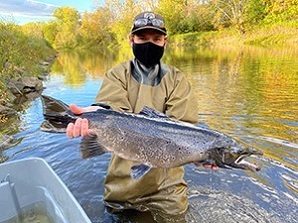 DEC and the U.S. Fish & Wildlife Service (USFWS) will be collecting genetic samples from adult Atlantic salmon returning to New York tributaries of Lake Champlain to spawn. Over the last few years, genetically tagged Atlantic salmon fry (young salmon) and smolts (intermediate stage) have been stocked into New York and Vermont rivers so that managers can gain a better understanding of the movement and survival of Atlantic salmon within the Lake Champlain system. The information collected will help determine the success of different stocking strategies and provide insight on the fitness of different strains of Atlantic salmon being stocked. DEC and USFWS staff will collect and examine fish, then release them back into the river where they were captured. Collection efforts will have a minimal effect on recreational fishing, but anglers should be aware of these efforts and avoid nets marked with orange buoys. Fishing tackle can get caught in the nets and impact the ability of the gear to effectively capture fish. DEC and the U.S. Fish & Wildlife Service (USFWS) will be collecting genetic samples from adult Atlantic salmon returning to New York tributaries of Lake Champlain to spawn. Over the last few years, genetically tagged Atlantic salmon fry (young salmon) and smolts (intermediate stage) have been stocked into New York and Vermont rivers so that managers can gain a better understanding of the movement and survival of Atlantic salmon within the Lake Champlain system. The information collected will help determine the success of different stocking strategies and provide insight on the fitness of different strains of Atlantic salmon being stocked. DEC and USFWS staff will collect and examine fish, then release them back into the river where they were captured. Collection efforts will have a minimal effect on recreational fishing, but anglers should be aware of these efforts and avoid nets marked with orange buoys. Fishing tackle can get caught in the nets and impact the ability of the gear to effectively capture fish.
Photo courtesy of USFWS.
Epizootic Hemorrhagic Disease Confirmed in Southeastern NY Counties DEC recently confirmed Epizootic Hemorrhagic Disease (EHD) in Columbia, Dutchess, Greene, Nassau, Oswego, Suffolk, and Ulster counties and is tracking suspected cases in several other counties. DEC has received reports of 1,150 dead deer so far this year. In New York, EHD virus is typically a fatal disease for deer. EHD is transmitted by biting midges—small insects sometimes called no-see-ums or 'punkies.' The disease is not spread from deer to deer and humans cannot be infected by deer or bites from midges. Once infected with EHD, deer will begin to show signs 2-10 days later and usually die within 36 hours of showing signs of infection. Signs of EHD include fever, hemorrhage in muscles or organs, and swelling of the head, neck, tongue, and lips. A deer infected with EHD may appear lame or dehydrated. Often, infected deer will seek out water sources and many die near a water source. There is no treatment or means to prevent EHD. Dead deer do not serve as a source of infection for other animals. The first hard frost is expected to kill the midges that transmit the disease, ending the 2021 EHD outbreak. Please report sightings of sick or dead deer suspected of having EHD by filling out the online EHD reporting form or by contacting the nearest DEC Regional Wildlife Office. For more information, visit DEC's EHD webpage or Cornell University's Wildlife Health Lab EHD webpage.
Safely and Respectfully Sharing the Woods New York is home to tens of thousands of acres of State lands to visit, dozens of campgrounds, and thousands of miles of trails across the state for hikers of all abilities. @NYSDECAlerts provides real-time updates from DEC-managed lands across New York State. Love Our NY Lands and follow @NYSDEC on Twitter to recreate responsibly, plan ahead, and Leave No Trace™. 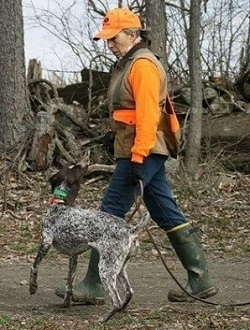
With some hunting seasons open now and trapping season beginning soon, DEC encourages outdoor enthusiasts to respectfully share the woods and follow commonsense safety precautions. Most public lands in New York are open for multiple forms of recreation, meaning outdoor enthusiasts of all kinds will be sharing these lands. Whether you are a hiker, hunter, nature photographer, mountain biker, or trapper, following a few simple measures can make your choice of recreation safe and enjoyable while sharing the outdoors. DEC encourages every outdoor enthusiast to wear blaze orange, pink, or another bright color, especially during fall and winter. Doing so allows individuals to be seen more easily and from greater distances. When not actively engaged in hunting, pet owners are encouraged to have their dogs wear a blaze orange, pink, or another bright color vest or scarf. Trapping seasons are open throughout the fall and early winter. Although it's a rare occurrence, traps set for furbearers (such as raccoons and coyotes) can also capture dogs that are not under control. Keeping dogs on their leash is safer for the dog and for other people and gives pet owners peace of mind. Hunting is among the most popular forms of wildlife recreation in the state, drawing nearly 700,000 New Yorkers and more than 50,000 out-of-state visitors. Hunting is a safe and economically important outdoor pursuit, helping to manage wildlife populations and promote family traditions, while fostering an understanding and respect for the environment. Hikers should be aware that they may meet hunters bearing firearms or archery equipment on public trails. Hunters should, likewise, recognize that they may encounter non-hunters while afield. Hunting accidents involving non-hunters are extremely rare. DEC maintains hiking trails in many areas of forest preserve lands in the Adirondack and Catskill Parks, as well as in state forests, Wildlife Management Areas and Unique Areas open to hunting. Find a place near you by visiting DEC's website or checking out DECinfo Locator. | 


No comments:
Post a Comment