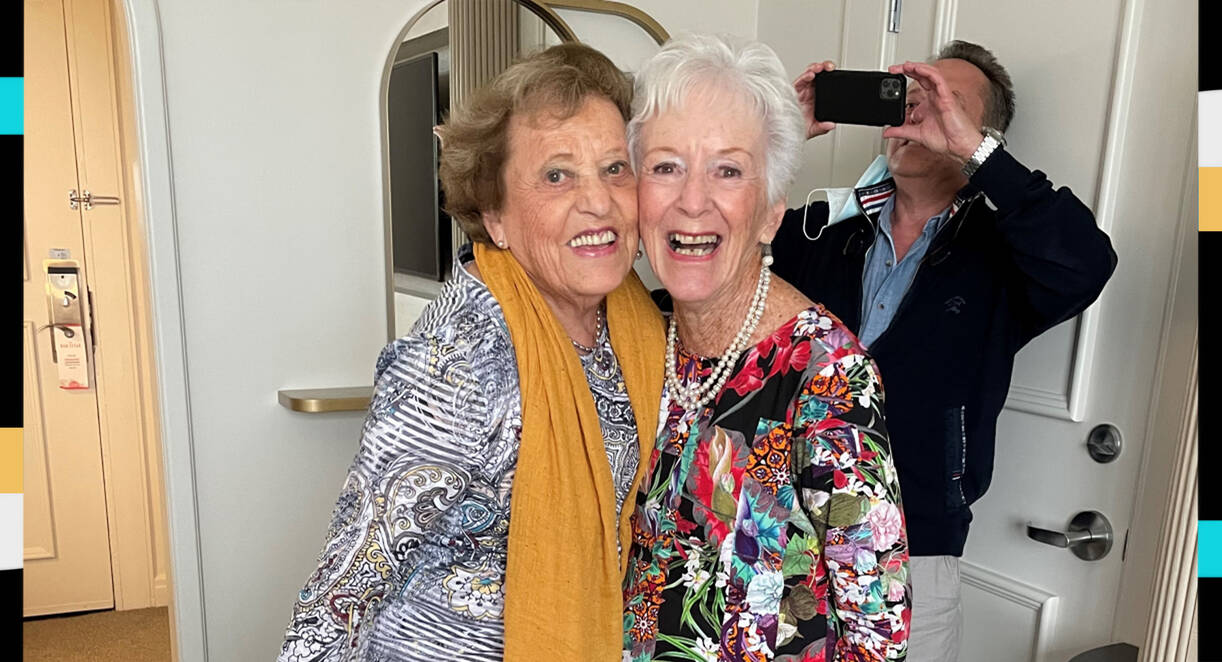
Published by  | | | | (Washington Post illustration; iStock) | | On Wednesday, the U.S. Supreme Court will hear a case out of Mississippi that could eliminate a pregnant person's constitutional right to an abortion. The law in question bans abortion at 15 weeks gestation, significantly before viability. With this case as a vehicle, the Mississippi attorney general has explicitly called on the high court to strike down Roe v. Wade. The case, Dobbs v. Jackson Women's Health Organization, turns on the issue of viability. Supreme Court precedent protects the right to abortion before a fetus can survive outside of the womb, usually around 24 weeks; states can't pass laws that present an "undue burden" for someone seeking an abortion before that point. While a total ban before viability would undermine Roe, many experts think the Supreme Court might allow it anyway. Because the one clinic in Mississippi only performs abortions up to 16 weeks, lawyers may argue, a 15-week ban does not constitute an undue burden. I have no idea what the Supreme Court is going to do. We won't know until they come out with their decision in June. While we wait, many abortion clinics in the state have started to prepare for a future without constitutionally protected abortion access. This is something I've seen a lot in my reporting: After 50 years, many people tend to assume that the right to abortion is "safe." Clinics in abortion battleground states operate under the opposite assumption. And recently, the clinics have been right. | |  | | Clinic director Kathy Kleinfeld answers calls on Aug. 30 at Houston Women's Reproductive Services. (Caroline Kitchener/The Lily) | | I arrived at Houston Women's Reproductive Services, an abortion clinic in Houston, on the morning of Aug. 30, two days before Texas's six-week abortion ban was slated to take effect. While many of my sources still believed the ban would be struck down, declared unconstitutional like the dozen other "heartbeat" bills that had passed in other states, the clinic was readying itself for a near-total ban on abortion. With a full schedule and four phones ringing nonstop, staff members delivered the same bad news, over and over. "Unfortunately, our next available appointment isn't until Thursday," they told each patient further than six weeks along. Senate Bill 8 would take effect Wednesday. "You'll have to leave the state." Almost three months later, the Texas abortion ban remains in effect, as Texas providers and advocates await a decision from the Supreme Court. Every time I call a Texas abortion provider to ask about the latest development — the doctors who have quit, the injunction that was lifted after two days, the other states poised to copy S.B. 8 — they are discouraged, but not at all surprised. It's what they've been expecting. | | | | | Three need-to-know stories | |  | 01.After scientists in South Africa identified a potentially dangerous new coronavirus variant, dubbed omicron, governments scrambled to close their borders to southern African countries. But experts warned the travel bans may be too late — confirmed and suspected cases have cropped up as far away as Asia and Australia. Here's what we know about the omicron variant so far. 02.Last week, Sweden confirmed Magdalena Andersson as its first female leader. But her tenure was fleeting. Hours after assuming office, Andersson resigned from the post when a member of the ruling coalition, the center-left Swedish Green party, quit the government in protest after lawmakers passed a budget bill backed by three right-wing parties. Andersson said she hopes to form a single-party ruling government. 03.The trial of Ghislaine Maxwell — the former longtime companion of Jeffrey Epstein, whose death by apparent suicide more than two years ago left dozens of his alleged victims without the closure they hoped his sex-trafficking trial would bring — is set to open Monday in the U.S. District Court in Manhattan. Here's what to know about the charges she faces. | | | | | | | A story to make you smile | | | (Courtesy of Betty Grebenschikoff) | | The last time Betty Grebenschikoff saw her best friend was in the spring of 1939, when they were 9 years old. She and Ana María Wahrenberg shared a tearful hug in a Berlin schoolyard before their families were forced to flee the country and the Nazis on the cusp of World War II. They both thought that would be their final hug. But on Nov. 5, after more than eight decades apart, the two women — now 91 years old — embraced once again in a St. Petersburg, Fla., hotel room. The Holocaust survivors had searched for each other for years but were never able to find each other — until a researcher from a nonprofit linked their testimonies together. "It felt like coming home," Grebenschikoff said of their reunion. Read more from Sydney Page in The Post. | | | | | But before we part, some recs | | | (Victor Jeffreys for G/O Media) | Anne BraniginReporter, The LilyHow I tap into holiday cheer:I confess: I'm not a big holiday decorator. But one simple way I've been embracing the seasons is by using them to inspire my manicures. They're a little pop of joy each time I look at my hands — which, as a writer, is often! What I'm obsessed with:Mushrooms. Blame that Netflix documentary, or blame the cooling temperatures and my interest in eating less meat, but I can't get enough of these little gals. I especially adore them in soups and risottos, and I can't wait to try this mushroom adobo dish. How I'm leaning into the cold weather:I've always loved the saying, "There's no such thing as bad weather, only the wrong clothes" — in concept. I live for a winter coat, but I don't live for the prices. After a friend put me on to a clothing rental service, though, I've been able to play with fall/winter looks I wouldn't be able to afford otherwise, and actually — dare I say it — look forward to the cold. | | | | |







No comments:
Post a Comment