| Please welcome guest host Hannah Natanson, who covers K-12 education for The Washington Post. As a K-12 education reporter, I spend a lot of time talking to students. So when Roe v. Wade fell, my first thought was: How are teens feeling about it? It's my experience that young people are unusually open and honest. They're still working through their worldviews, and their opinions are fresh, often startling. With that in mind, I set out to ask teens for their reactions to the end of Americans' constitutional right to abortion, creating an online submission form. I received responses from high school students across the country. Some were thrilled. Some were dismayed. Others were simply in shock, unable to process the overturning of a Supreme Court precedent that had been in place for three times their lifespans. Ultimately, I chose four students who reflect those diverse views and opinions, including one who said the Supreme Court's action made her want to move to Europe. I was struck by the variety and depth of students' reactions. But most of all, I was struck by how much Roe's fall means to them. For many American teens, life will always be divided into two epochs from now on: the time before Roe fell, and the time afterward. They all grew up viewing the constitutional right to abortion as graven in stone, immutable. Now, they face a complicated coming-of-age with — as a Michigan 16-year-old put it — "less rights than my mom had growing up." 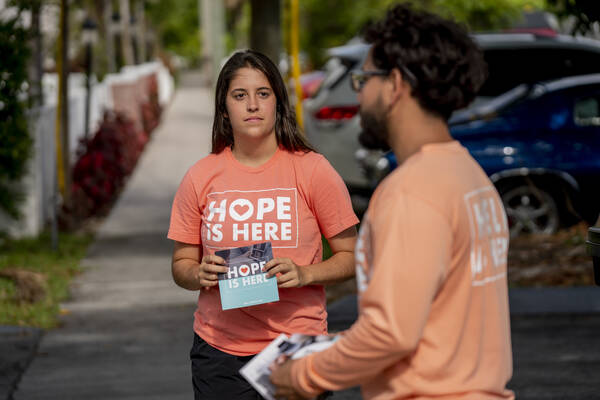 (Josh Ritchie for The Washington Post) The Post sought submissions from teenagers about the ruling that overturned Roe v. Wade: whether it changed the way they see themselves, their futures and America. By Hannah Natanson ● Read more » | | | |



 Email
Email


No comments:
Post a Comment