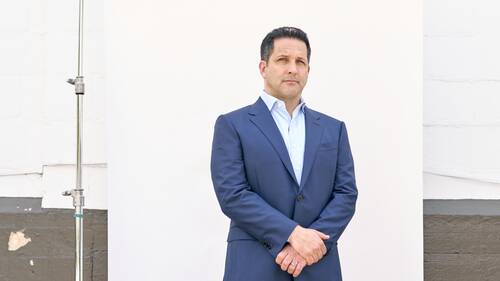
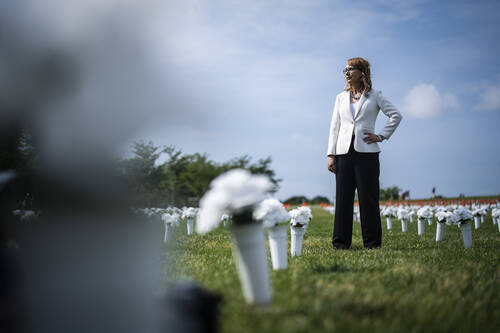
| You may have noticed a ton of Uber stories in the past week as 44 news organizations around the world reported on a trove of more than 124,000 internal documents leaked by a former executive there. The Washington Post was one of the partners and published 11 pieces of journalism in just a few days, stories on how Uber leveraged violence against its drivers to score political points, how it deployed stealth technology in its battle with regulators, and an inside look at why the whistleblower who leaked the documents, an Irish-born lobbyist named Mark MacGann, let out so many secrets on his former employer. We also wrote about Uber's efforts to break into a tough Russian market by making deals with oligarchs, as well as the good, the bad and the ugly about being an Uber driver in South Africa, one of the world's most violent and unequal societies. If you missed these stories, or only took a quick glance during a busy summer week, read more below from some of the reporters who took readers behind the scenes on a company that changed how the world moves. Faiz Siddiqui, Technlogy reporter: Over the period covered in the Uber Files, the company was rapidly emerging as a technology juggernaut. But its abilities were being used for more than just linking riders and drivers. In our story about Uber's use of covert technology, we showed how the company employed tools such as a kill switch to strike when authorities poured into its offices. This wasn't happening in some dusty corner of the IT department. It was, on at least one occasion, coming directly from the top. "Please hit the kill switch ASAP," Travis Kalanick, at the time Uber's San Francisco-based chief executive, emailed during an April 2015 raid of the company's Amsterdam headquarters. Elahe Izadi, Media reporter: The massive trove of documents came from one man: Mark MacGann, Uber's former top lobbyist and the face of the company in Europe during a particularly tumultuous time. MacGann came forward as the source of the documents the day after the first Uber Files stories published. Those documents revealed his own participation, at times, in the corporate behavior he now condemns, making him an unusual whistleblower. In an interview with the Guardian, MacGann explained why he took such a drastic step, saying that in addition to facing harassment online and in person, and worrying about his family's safety, he was motivated in part because he bears some responsibility and wanted to make amends. "We had actually sold people a lie. How can you have a clear conscience if you don't stand up and own your contribution to how people are being treated today?" he wondered. Ultimately, MacGann blamed Uber and its corporate culture for wrongdoing, and urged the public to look at the data he revealed. Rick Noack, Paris correspondent: July is typically a slow time in France's capital. But when the Uber Files were published on Sunday the revelations reignited a simmering controversy in the country and shook French politics, with opposition members describing the extent of French President Emmanuel Macron's support for Uber as a "state scandal" and potential evidence of a "collusion of interests." The Uber Files showed that Macron's support for the company during his time as economy minister had been far more extensive than previously known. Even before Sunday, Macron had faced widespread criticism that his support for multinational companies like Uber has hurt worker rights and taken an unacceptable social toll during his term. While the Uber Files end in 2017, the year he was elected president, Macron's critics believe that the documents back their concerns over the way he has run the country. As calls for a parliamentary inquiry mounted earlier this week, Macron eventually responded to the files on Tuesday. "I'm very proud of what I've done," he said, appearing to be visibly emotional and ignoring several attempts by aides to get moving. A key question now is whether the opposition will move ahead with plans for a parliamentary inquiry. Aaron Davis, Investigative reporter: For all that had been written about Uber and its troubled corporate culture over the last decade, we found something new and disturbing when we began to sift through the tens of thousands of emails and other documents: Uber executives saw an upside to their own drivers being physically attacked and injured at the hands of taxi drivers. The injuries occurred as Uber upended the economics of ride-hailing around the globe, pumping millions of dollars into new markets to artificially lower fares and displace taxis, leading to violent clashes, especially in Europe. The documents show Uber repeatedly sought to leverage such attacks to win public sympathy, and to push politicians to change laws in Uber's favor. In one case, the company's former chief executive was warned that encouraging a public show of support by Uber drivers could be dangerous. If clashes did occur, he appeared to suggest, that could benefit Uber. "Violence guarantee success," he wrote.  (Lucy Naland/Washington Post Illustration; Justin Sullivan/Getty; Uber screenshots; Unsplash; iStock) In push for global expansion, company officials saw clashes with taxi cab workers as a way to win public sympathy and political support, Uber Files show. By Aaron C. Davis, Rick Noack and Douglas MacMillan ● Read more » |    | | | | As white-collar workers across the country settle into hybrid work routines, one thing is becoming clear: Nobody wants to be in the office on Fridays. By Abha Bhattarai ● Read more » | | | | |  (Sarah Rice for The Washington Post) The name Gretchen Whitmer is set against a story of upheaval. She was met with armed protests for criticizing President Trump's handling of the coronavirus. Now, Michigan's governor is becoming the face of an existential battle for abortion access. Exclusive ● By Ruby Cramer ● Read more » | | | | | | The latest omicron offshoot, BA.5, has quickly become dominant in the United States, driving a wave of reinfections across the country. By Joel Achenbach ● Read more » | | | | | The nation's largest corporate landlord boasts of leading a "revolution" in rental houses. But some of its portfolio of 80,000 homes were renovated without permits. By Jonathan O'Connell, Peter Whoriskey and Kevin Schaul ● Read more » | | | | Even for a White House known for its unconventional chaos, the Dec. 18, 2020, meeting was an extraordinary moment. By Rosalind S. Helderman and Josh Dawsey ● Read more » | | | | |  (Tayfun Coskun/Anadolu Agency/Getty Images) After outlasting millennia of disruptions and disaster, human-caused climate change is proving too much for the ancient trees to bear. By Sarah Kaplan ● Read more » | | | | | Even after a string of controversies, Schefter's star is only growing at ESPN. No pictures, please. By Ben Strauss ● Read more » | | | | After scandal has rocked the church in the developing world, attention is turning to regions where the scale of abuse remains both a mystery and a cause for trepidation. By Chico Harlan and Alain Uaykani ● Read more » | | | | | The former congresswoman, who nearly died during a 2011 shooting in Arizona, still struggles at times to speak. But her words carry great weight in the debate over gun control. Opinion ● By Karen Tumulty ● Read more » | | | |





 Email
Email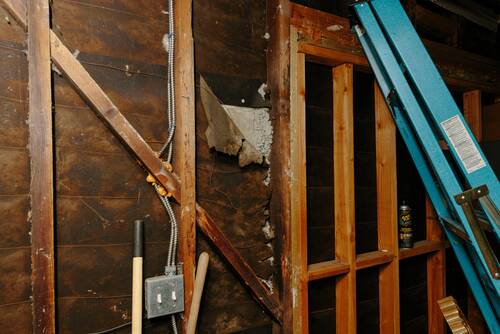



No comments:
Post a Comment