| Good morning, Early Birds. To all of our readers in Florida and those with loved ones there: We hope you're OK! Hang in there, South Carolina. Tips: earlytips@washpost.com. Thanks for waking up with us. In today's edition … Sen. Murphy's plan to raise money for Democrats who support gun restrictions … What we're watching: The House will vote to avoid a government shutdown … The Cherokee Nation pushes to have delegate seated in Congress … Matt Viser reports that President Biden is targeting a trio of Republicans in his midterm pitch to voters … but first … | | |  | At the White House | | Larry Summers sees echoes of 2007 in Britain's economic crisis | 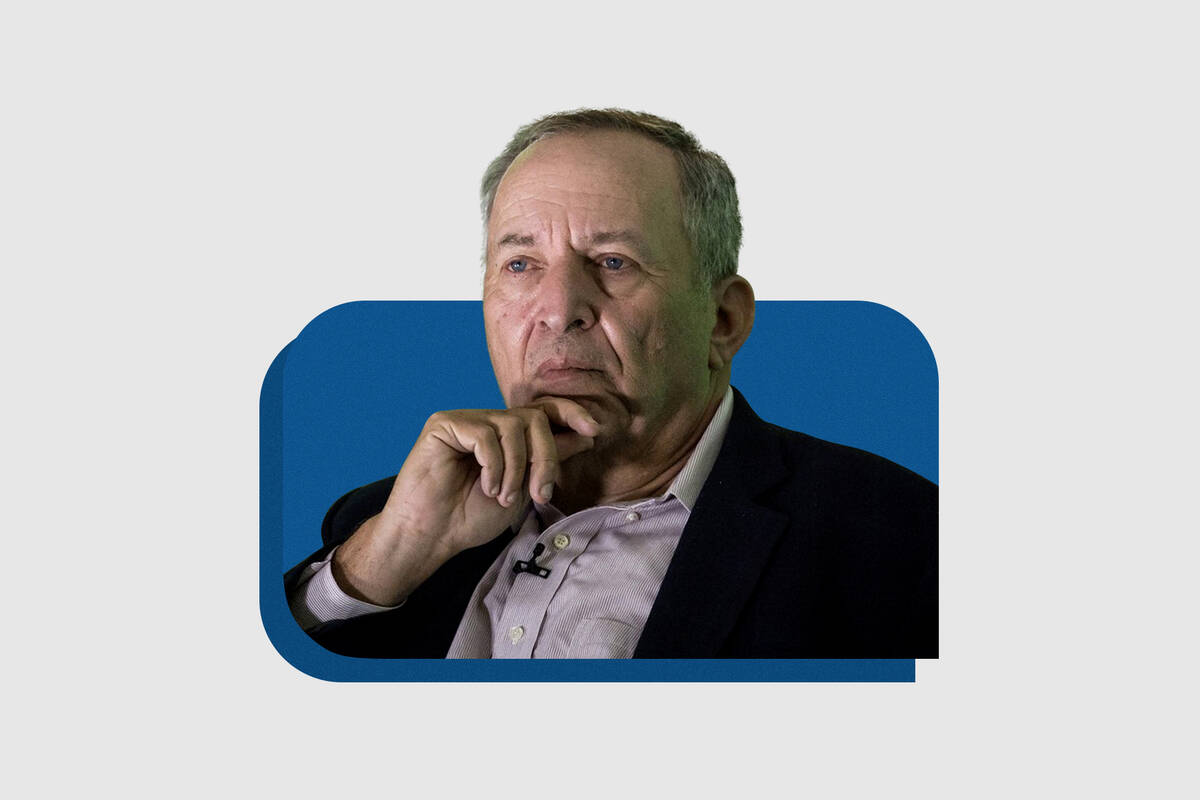 (Washington Post illustration; David Paul Morris/Bloomberg) | | | Seven questions for … Larry Summers: We spoke with the former treasury secretary and occasional outside adviser to President Biden about Britain's economic crisis, how much student debt forgiveness will exacerbate inflation and the likelihood of a "soft landing." This interview has been edited and condensed for length and clarity. The Early: You've criticized the new British government's decision last week to cut taxes despite the high inflation there, and you've said that even you were surprised that markets had fallen so sharply in recent days. How would you explain what happened? Summers: There was a loss of credibility about the ultimate sustainability of British policy — a combination of necessarily higher interest rates, much higher fiscal deficits and lack of concern about sustainability created an emerging-market-like dynamic where [bond] yields were spiking at the same time the currency was falling. By [Tuesday], you had a large number of margin calls on people who had used derivatives to hedge their pension situations. The fundamental development was a disregard for fiscal sustainability and questions about the credibility and independence of the central bank. The Early: How much do you think the Bank of England's announcement on Wednesday that it will buy British government bonds "on whatever scale is necessary" will undo the damage? | | | | | | | | Mapping is used to solve the world's most complex issues. Why not yours? | | | | | | | | Summers: I think that will undo the second stage of the damage, having to do with the technical factors caused by the margin calls and forced liquidations by pension hedgers. But it does nothing to improve the fundamentals of the situation — and in fact, by representing a monetary easing, may slightly cause the fundamentals of the situation to be worse. The Early: You tweeted on Monday that "a currency crisis in a reserve currency could well have global consequences." Is there any risk that this crisis could spread to the U. S.? Summers: I think there's no sign as of now that it's had a substantial impact on the U.S. But if you asked for a comparison of the magnitude of these events with the magnitude of the events in early August of 2007 that were the first tremors of the 2008 [financial crisis], these events are as substantial as those were. That does not mean we're going to have another financial crisis. But anytime you have such dramatic movements, and such a sudden loss of credibility, there certainly are risks — all the more when we're talking not about a relatively small economy in Latin America or in Asia, but one of the world's largest economies, like the United Kingdom. The Early: You asked on Wednesday why Biden hadn't authorized a Jones Act waiver to allow foreign ships to deliver fuel to power-starved Puerto Rico. Have you spoken with anyone in the administration about the Jones Act? Summers: I never talk about my private conversations with administration officials. I was glad [to see] the announcement [on Wednesday evening that Biden would issue a waiver]. I wish it had come sooner and easier. The fact that this was as difficult as it was points out the importance of something I have urged for a long time: the repeal of the Jones Act, which I believe would contribute to lower prices for American consumers, more energy security for Americans and a healthier environment. The Jones Act was motivated with precisely the kind of rhetoric that is now being used to support new industrial policies. I'm nervous that enthusiastic embrace of "Buy American," with not entirely convincing national security rationales, could, as the Jones Act did a century ago, entrench policies that ultimately weaken our economy and make it less secure. The Early: How much do you estimate Biden's move to cancel up to $10,000 of student debt will exacerbate inflation? Summers: There are two channels through which it will exacerbate inflation. By telling people they don't have to make their payments, it will function like a tax cut, which will encourage spending. There's also the possibility, particularly with respect to the income-driven replacement, or if there's an expectation of future loan forgiveness, that this will lead colleges to increase tuition. It's a very wide diverse economy, so no single-sector effect is going to be large with respect to the inflation statistics. But they all add up. I think it will be very important to craft the rules on income-driven repayment for student loan programs very carefully. One can debate the merits of student debt relief, but I am troubled by analyses, such as that of Adam Looney at the Brookings Institution, [warning] that, as currently envisioned, income-driven repayment programs could very substantially encourage college tuition increases. The Early: You said in June that "a recession is almost inevitable — probably a 75 percent, 80 percent chance within the next two years, and there's certainly a real risk that it will come sooner." Do you think those odds have shifted at all over the past three months? | | Summers: On the one hand, the economy has been somewhat stronger over the last three months than I would have expected, so the chance that the economy will be in recession by the end of 2022 is probably lower than I might have guessed at that time. On the other hand, the stock market has fallen off substantially and the expected level of interest rates has increased quite substantially, raising the odds that the economy will ultimately tip into recession. The Early: When Biden was asked on "60 Minutes" earlier this month whether the economy will get worse before it gets better, he said, "We hope we can have what they [call] a soft landing — a transition to a place where we don't lose the gains that I ran to make in the first place for middle-class folks." Are you saying that's unlikely? Summers: If by "a soft landing" what is meant is that there will not be a recession or that unemployment will not go up — I think that's really quite unlikely. In American economic history, declines of inflation from the 7 [percent] range to the 2 [percent] range without meaningful downturns [are] very rare. [But] I think the president was saying that he hoped we would not lose the fact that the economy is in many respects much stronger than it was when he was running for president [in 2020]. I think we could have a quite-significant recession, and employment and GDP would [still] be considerably stronger than they were when the president was running. | | |  | On the Hill | | Murphy, Newsom to use social media fundraising campaigns for gun safety candidates | 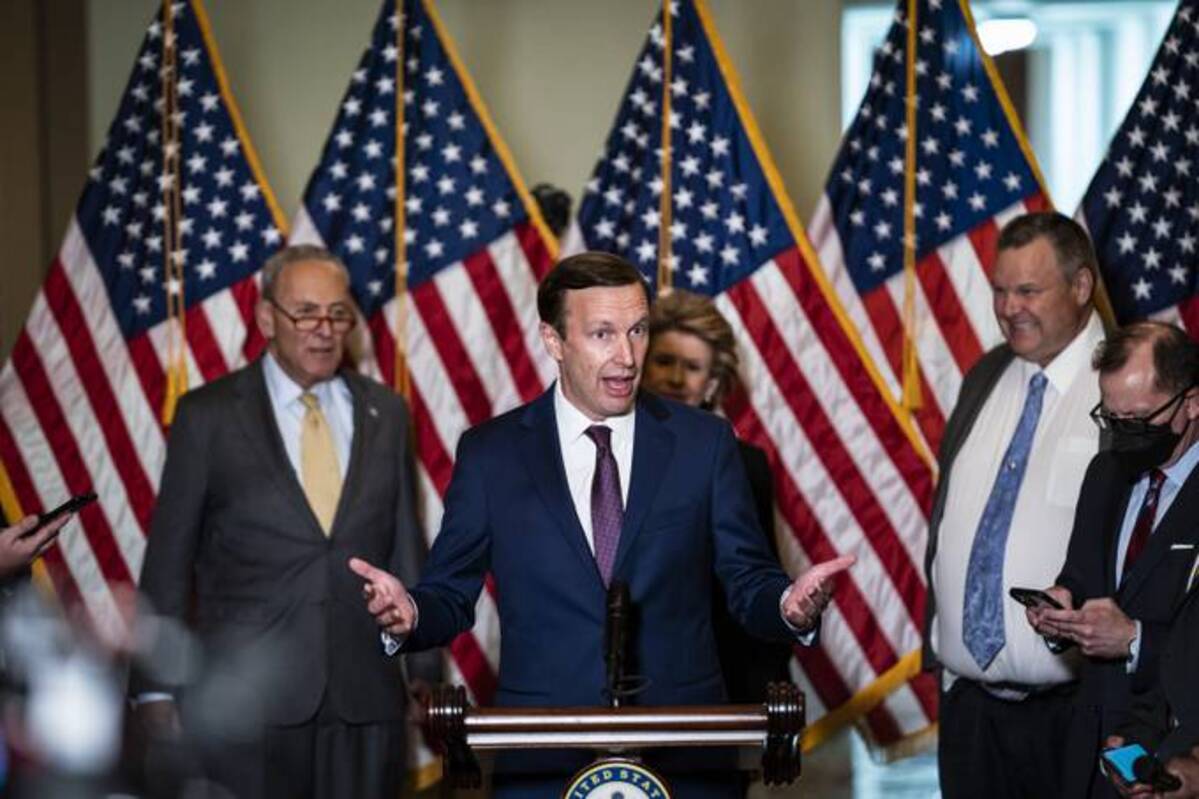 Sen. Chris Murphy (D-Conn.) has been a leading proponents of stricter restrictions for firearm purchases. (Jabin Botsford/The Washington Post) | | | Sen. Chris Murphy (D-Conn.) has become known for two things: a fierce commitment to strengthening the nation's gun laws and seemingly random social media fundraising campaigns for Democratic candidates. One week from today, he'll combine both of those efforts into the latest version of NR8, a play on NRA. The goal is a 24-hour social media blitz to fundraise for eight candidates or referendums backing gun control. It's a repeat of a similar campaign he did in 2018 that raised a million dollars in just over 24 hours. This time, he's partnering with California Gov. Gavin Newsom (D). Former Secretary of State Hillary Clinton and gun control groups Giffords, Brady Campaign and Everytown for Gun Safety will also participate. Murphy says tens of thousands of dollars can make a big difference in a local referendum or a House race. | | "There's a lot of people out there who want to donate to gun safety champions, but they don't always know the best way to do that," Murphy said in an interview. "So this is an easy way for people to make a donation that ends up helping a whole bunch of candidates that are good on gun safety." The candidates are Sen. Maggie Hassan (D-N.H.); Mandela Barnes, the Democrat running against Sen. Ron Johnson (R-Wis.); Josh Shapiro, the Democratic nominee for governor in Pennsylvania; Reps. Lauren Underwood (D-Ill.), Andy Kim (D-N.J.), Elaine Luria (D-Va.); and Gabe Vasquez, who's challenging Rep. Yvette Herrell (R-N.M.). The Oregon ballot initiative is one of the most expansive gun control referendums in the country and it would strengthen permitting and background check requirements for gun purchases, make safety classes mandatory and ban magazines with more than 10 rounds. Murphy notched a big win this year when he negotiated the most significant gun safety legislation in nearly 30 years after a spate of mass shootings, including the one in Uvalde, Tex., where 20 children and two teachers were killed by a gunman in their classroom. Murphy says passing legislation didn't suppress the gun safety movement but motivated it. "It's just another way to show how the power has shifted from the gun lobby to the anti-gun-violence movement," Murphy said. | | |  | What we're watching | | | Guess what today is? The LAST day of the fiscal year. Guess what that means? Congress must fund the government today. The House is expected to take up the two-and-a-half month extension of government funding today, which also includes $12 billion emergency funds for Ukraine, funding for natural disasters and money for the water crisis in Jackson, Miss. The Senate passed it yesterday (72-25) with little fanfare after a day and a half of haggling between Senate leaders on the process. We will watch how many House Republicans vote for it. House Minority Whip Steve Scalise (R-La.) is whipping against the bill because it funds the government only until Dec. 16. They want the short-term measure to extend into next year so the new Congress can determine 2023 fiscal year funding. House Republican leadership is also opposed to the bill because it provides money for refugees without allocating additional money for border security. | Cherokee Nation pushes to have delegate seated in Congress | 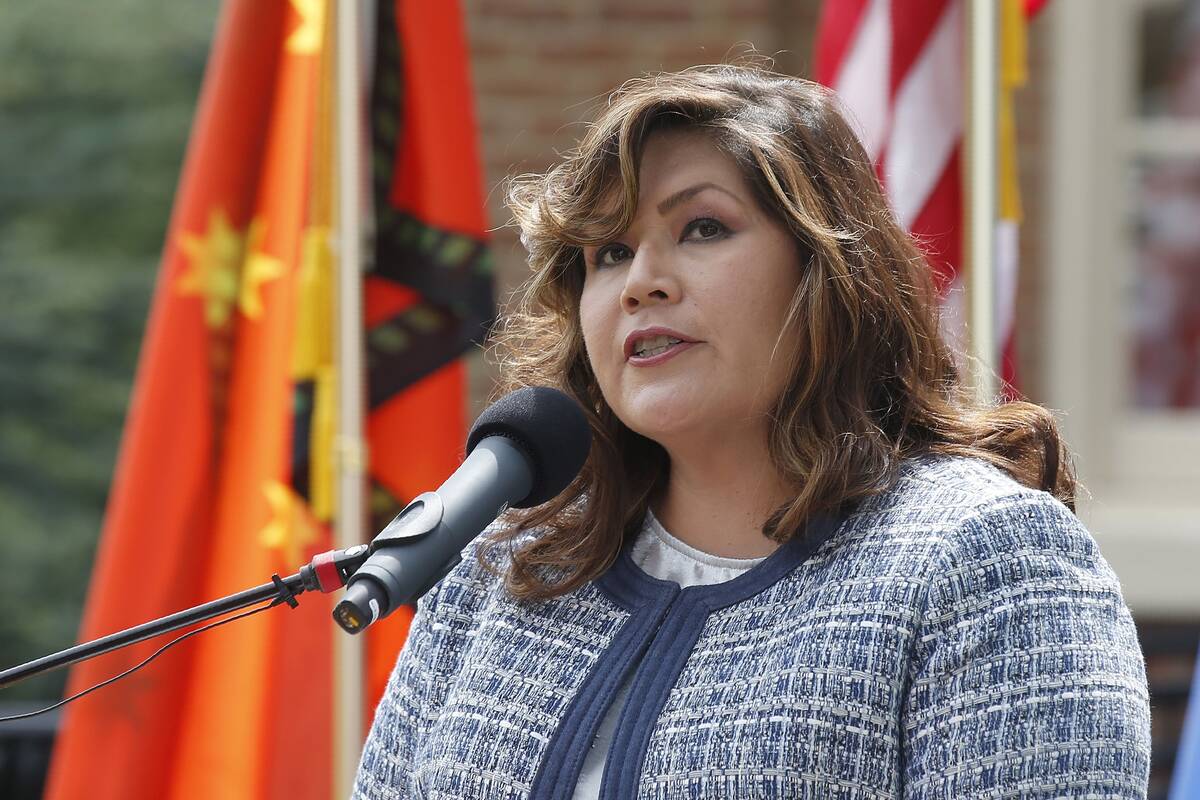 Kim Teehee speaks after her nomination for House delegate was announced on Aug. 22, 2019. (Sue Ogrocki/AP Photo) | | | The Cherokee Nation has relaunched their long-delayed campaign to seat their delegate — Kim Teehee — in the House, urging lawmakers to fulfill a centuries-old promise by December. The Cherokee Nation also called on the House Rules Committee to hold a hearing on the matter — which will happen "soon," a senior Democratic aide told Tobi. Seating the delegate this year remains a long shot, but members of Cherokee Nation are expressing hope due to several factors, including the increased number of Indigenous American lawmakers in Congress. "We definitely believe that the stars are aligned for us," Teehee said. The renewed effort comes "at the heels of a remarkable time in our history when it comes to creating visibility for Native Americans in this country." As a delegate, Teehee would not be able to vote to pass bills on the floor, but could serve on committees and vote during on legislation being considered by the panels. The right to send a delegate to the House is afforded to the Cherokee Nation by the 1835 Treaty of New Echota. Under the treaty, the Cherokee were forcibly removed from their ancestral land in the South. Thousands of Cherokee people died during the exodus to present-day Oklahoma, now known as the "Trail of Tears." The campaign to seat Teehee initially kicked off in 2019, after she was nominated by Cherokee Nation Chief Chuck Hoskin Jr. and unanimously confirmed by the Council of the Cherokee Nation. But the effort was sidelined following the onset of the coronavirus pandemic which saw Native Americans over four times more likely to be hospitalized. "We had to focus our attention on making sure that we were serving our citizens to the best of our ability with our resources," Teehee said. Now, after three years, the Cherokee Nation is back. The relaunch comes at a time when there is full Indigenous representation in the House for the first time in its 233-year history. There are currently six Indigenous American lawmakers in the House: | - Tom Cole (R-Okla.), Chickasaw Nation
- Markwayne Mullin (R-Okla.), Cherokee Nation
- Sharice Davids (D-Kan.), Ho-Chunk Nation
- Yvette Herrell (R-N.M.), Cherokee Nation
- Kaiali'i Kahele (D-Hawaii), Native Hawaiian
- Mary Peltola (D-Alaska), Native Alaskan
| | The push for a delegate also comes more than a year after Biden tapped Deb Haaland to be the first Native American cabinet secretary. Mullin and Kahele both said Congress should honor the 200-year treaty and seat Teehee. "I firmly believe the federal government must honor its trust and treaty responsibilities to Indian Nations," Mullin, who is running for Senate, said in a statement. "We are only as good as our word." "If there's any time to do it, it's now," Kahele said. "It's going to take the political courage and political will" of Congress to seat Teehee. | | | | At the White House | | Biden takes aim at a GOP triumvirate: Scott, Johnson, McCarthy | 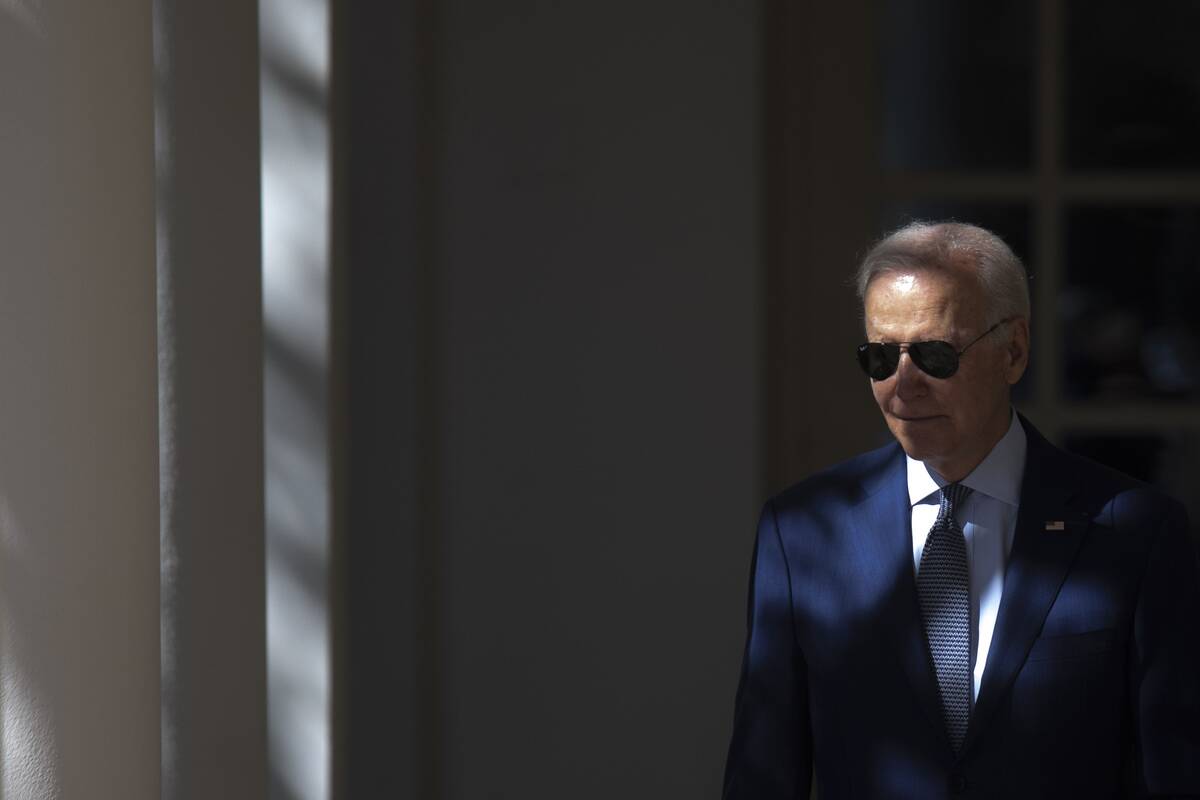 President Biden during an event marking the 32nd anniversary of the Americans with Disabilities Act (ADA) in the Rose Garden on Sept. 28, 2022. (Tom Brenner/The Washington Post) | | | Biden vs. The Scott-Johnson-McCarthy Triumvirate: "For a large portion of Biden's presidency, he has sought to limit harsh partisan rhetoric as he courts a handful of Republicans to help enact his agenda," our colleague Matt Viser writes (pub. 5 a.m.). "But as he shifts into a rawer campaign mode, he has started fine-tuning his attacks on this particular trio of Republicans who, while well-known to political junkies, are not exactly household names." | - "It's a familiar role for Biden, who despite his professions of bipartisanship feasts on the political warfare that campaigns can bring. He often smiles as he delivers his barbs, his voice dripping with a can-you-believe-these-guys sarcasm."
| | |  | The Media | | | |  | Viral | | | #presidentbabydog | 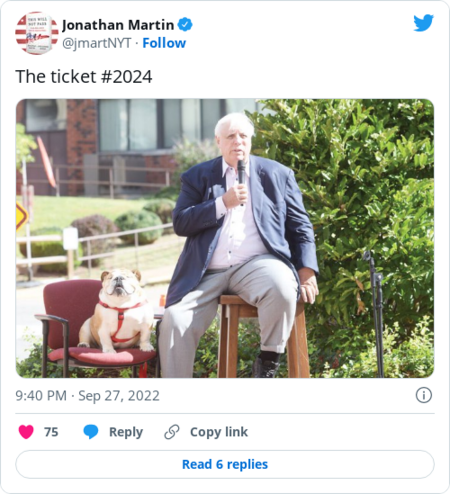 | | | | | | AM/PM | | Looking for more analysis in the afternoon? | | | | Weekday newsletter, PM |  | | | | | | |





No comments:
Post a Comment