The latest Some parents in the United States were dishonest about their children having the coronavirus or did not follow vaccine, testing or quarantine guidelines, my colleague Niha Masih writes, citing a nationwide survey published today. The parents' behaviors could have contributed to the spread of the coronavirus, said the report's authors, who included researchers from U.S. and British universities. However, the survey, conducted in December 2021, may not be demographically representative of U.S. parents since people were recruited through a panel of online survey takers, rather than through random sampling. Some parents acknowledged they were dishonest about their kids' vaccination status to allow them to participate in activities; others said they covered up their children's covid status so they wouldn't miss school, or because they couldn't afford to miss work themselves. Others cited wanting to "resume a normal life." Researchers said the findings offer crucial lessons for future pandemics. "We need to do a better job of providing support mechanisms like paid sick leave for family illness, so that parents don't feel like their only options are to be dishonest about their child having covid-19 or having their child break quarantine rules," said Andrea Gurmankin Levy, a professor at Middlesex Community College in Connecticut and one of the lead authors.
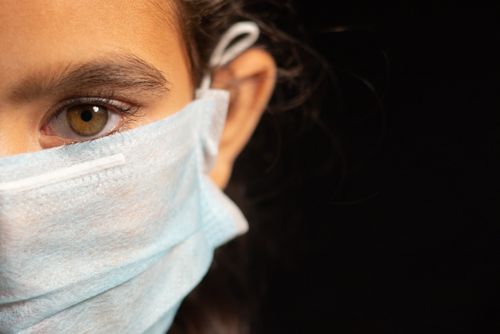
Workers, patients and visitors will no longer be required to wear face coverings in hospitals, dentists' offices and other health-care facilities in California, Oregon and Washington starting April 3, authorities announced Friday. Health officials said they were dropping the mandates because rates of covid, RSV and influenza have steadily declined since the end of 2022, when the respiratory viruses had triggered a surge in visits to hospital emergency rooms and intensive care units. However, officials said that local or tribal governments, facilities and providers may still choose to continue requiring face coverings in some health-care settings. Friday's announcements got mixed reactions, with some health-care workers slamming the moves. The California Nurses Association called that state's decision a "failure of public health leadership" that "endangers the health and safety of nurses and other health care workers." Other important news D.C. public health officials plan to close the city's eight covid centers on March 31 because of a drop in new infections and the widespread availability of vaccines and home testing kits, The Washington Post's Jenna Portnoy reports. More than 1 million masks, 400,000 rapid tests and 80,000 covid and flu vaccine doses have been distributed by the sites since they were opened at the height of the pandemic more than a year ago, District data shows. New Mexico will end its public health orders for covid-19 on March 31, according to the Associated Press. "While we're still seeing covid cases, our preparedness and collaborative work have helped turn a once-in-a-century public health emergency into a manageable situation," Gov. Michelle Lujan Grisham (D) said in a statement. China is pledging to prevent and control future health outbreaks in a more scientific, precise and efficient way, according to Premier Li Keqiang, who said the country will prioritize upgrading vaccines and developing new medicines to ensure sufficient supply, Reuters reports. The announcement comes after China was battered with a surge in covid infections after it abruptly dropped its strict zero-covid policies in early December. |
Your questions, answered I got the latest booster and all previous vaccines for covid 19. I am 68 and have asthma and atrial fibrillation (when the heart beats too slowly, too fast, or in an irregular way). How many months does the latest booster remain protective? When should one be seeking another booster injection? — Arnold, Tex. Data suggests the bivalent booster probably provides between nine months and a year of protection against severe disease, hospitalization or death, said Jeff Pothof, chief quality officer at UW Health in Madison, Wis. "When you should be looking for your next booster is a great question," Pothof continued, noting that there is no recommendation to get another booster at this time.
The Centers for Disease Control and Prevention would like to go to a once-a-year booster that people could get in the late summer or early fall. The idea is that there would be one formulation of the booster, instead of different versions. "But we need a little more data before it can be determined whether people should get a booster shot once a year, or possibly twice a year," Pothof said. |



 Email
Email



No comments:
Post a Comment