| Hi all, Gerrit De Vynck here. I'm a tech reporter for The Post in San Francisco. You can reach me at: gerrit.devynck@washpost.com. Below: The FTC strikes a settlement over health data, and a new coalition takes aim at Amazon. First: | How Google plans to beat back the Justice Department's antitrust suit | 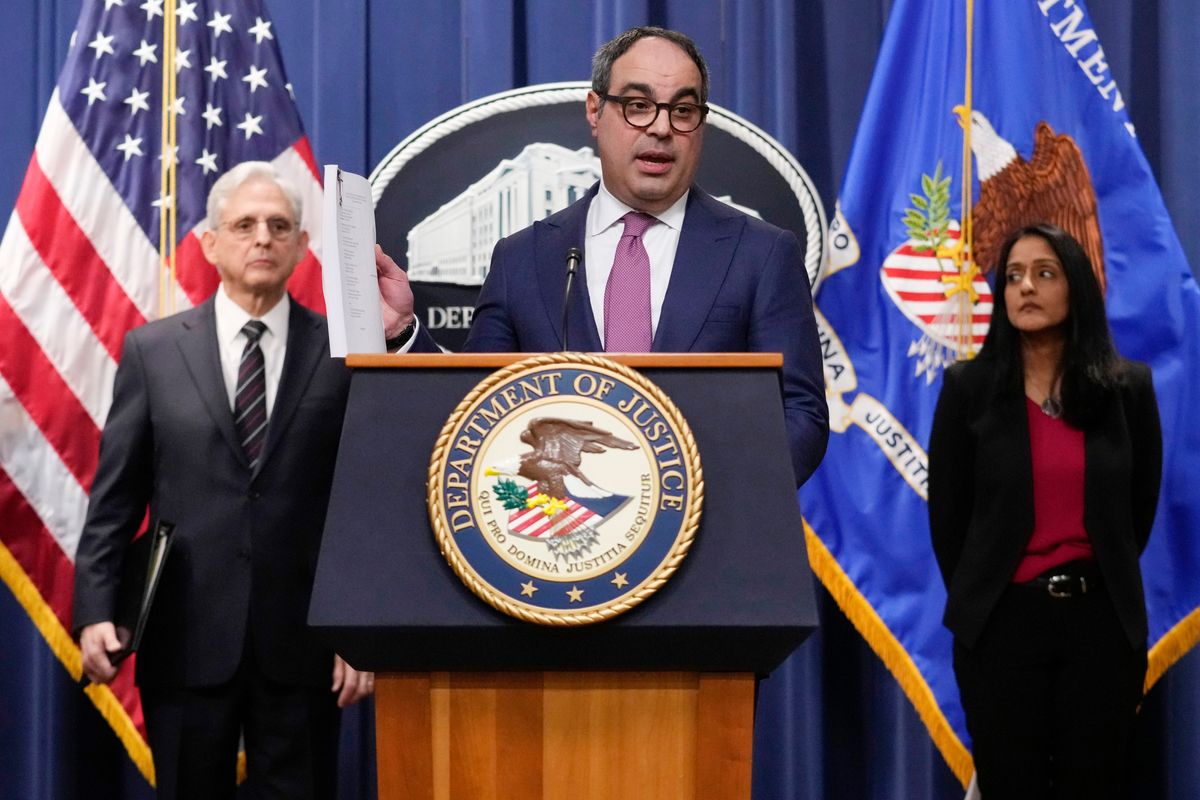 Justice Department antitrust chief Jonathan Kanter announces an antitrust lawsuit against Google on Jan. 24. (Carolyn Kaster/AP) | | | The Justice Department filed an antitrust lawsuit against Google in January, alleging the company used its dominance in the advertising technology industry to drive up prices and freeze out competition. Google has since publicly dialed up its fight back. The company's vice president of global ads, Dan Taylor, wrote a blog post rebutting the lawsuit on Jan. 24, the day it was filed, and has been doing on-the-record interviews with journalists since — something that's rare for the typically tight-lipped search giant — to get the company's message out. In an interview Thursday at one of the company's San Francisco offices, Taylor accused the Justice Department of trying to go back in time and re-litigate acquisitions that were settled over a decade ago. If it gets its way, he said, the result will upend the online ad ecosystem that millions of small businesses depend on. "The broader story when you go up to the 10,000-foot level is how the tools that we provide, as well as other companies, enable an internet that people have come to rely on," Taylor said. "I don't think that we as an industry have talked about how important that is and how that actually operates." The suit has been a long time coming and adds to the growing roster of lawsuits and pending legislation that the tech giant is facing, both in the United States and abroad. | | The Justice Department is already set to go to court with Google this year on a different lawsuit, which focuses on the company's dominance in the search engine market. But Google critics and competitors have long argued the better case against the company is about advertising tech — the complex network of tools and marketplaces that connect advertisers, web publishers, tech platforms and consumers online. The space is home to hundreds of companies, both big and small. But Google is by far the biggest player and sells tools that compete on almost every level of the adtech "stack" — including tools for both publishers and advertisers, and the exchange that connects them. The government alleges that Google uses this position of power to push customers into using its tools over those of its competitors and that by doing so they drove up costs for advertisers and consumers. They want a jury to find Google guilty and order the company to sell off a huge section of its adtech business. A big part of the argument is defining what level of the market one should use to judge how competitive it is overall. Taylor argues that if you zoom out and look at how advertisers actually strategize and how regular people actually behave, the advertising space is extremely competitive. TikTok's rapid rise as a social media giant, Netflix building out its own ad business, Amazon using its treasure trove of customer data to build its own massive ad network and Apple upending the mobile ad ecosystem with new restrictions on targeted ads show that the space is dynamic and competitive, he said. "This landscape is far from settled and far from uncompetitive," Taylor said. The government wants to litigate the case in front of a jury, potentially as a way to sidestep judges who are skeptical of more progressive interpretations of antitrust laws. But explaining the advertising ecosystem to a panel of regular people will be a huge challenge. Even veterans of the adtech world say they sometimes don't fully comprehend how the system works. The complexity might help Google by baffling jurors and making the government's case harder to follow. Before the lawsuit was filed, Google had offered to separate some of its adtech business into a separate entity that would still technically be part of the company, but that wasn't enough for the DOJ, according to the Wall Street Journal. | | Taylor wouldn't comment on talks about spinning out part of the company's business to head off going to court, but he said the part of their business that the government wants them to divest is core to Google's mission of organizing the world's information. Selling tools to publishers who literally create the internet is not something the company will give up lightly. "It's fundamental to our mission," Taylor said. "It's a foreign concept for me that we would not want to keep that." | | |  | Our top tabs | | FTC reaches settlement with BetterHelp over data-sharing allegations | 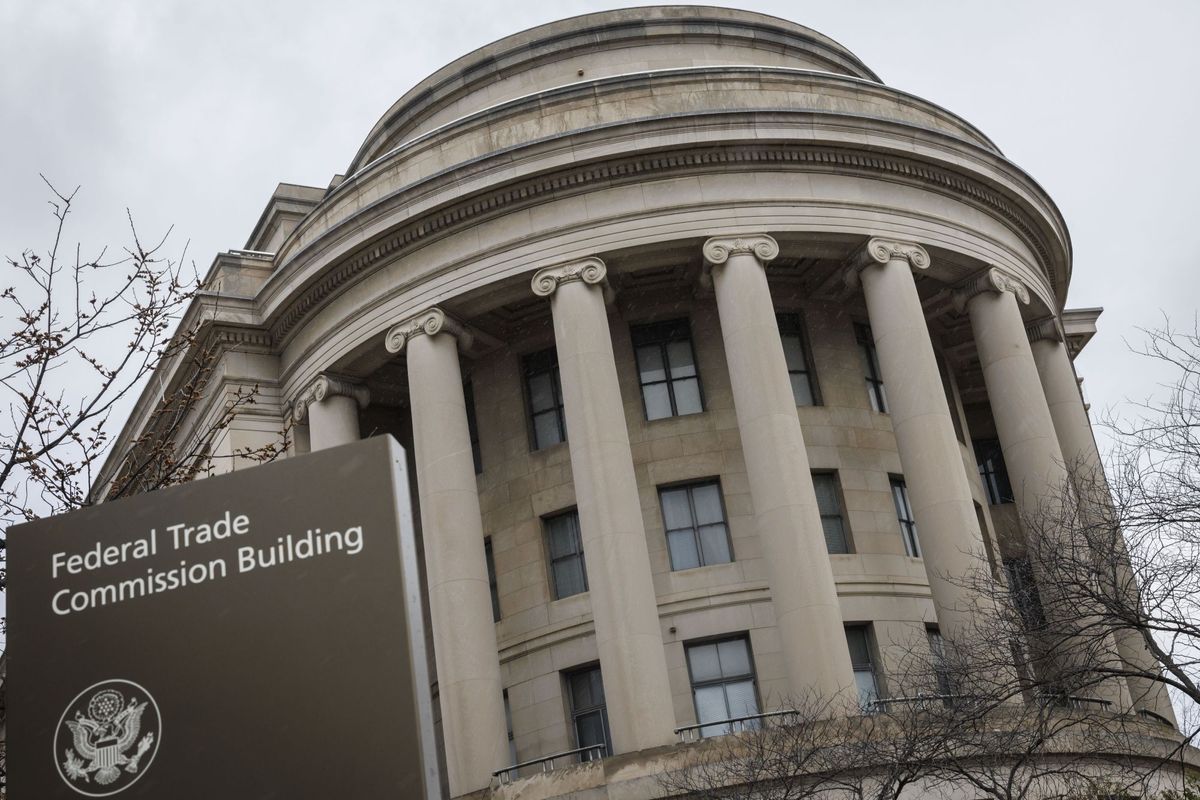 The FTC claimed the company sent personal health information to Facebook, Snapchat, Criteo and Pinterest for marketing purposes. (Ting Shen/Bloomberg News) | | | Online therapy platform BetterHelp agreed to a $7.8 million settlement with the Federal Trade Commission over allegations it shared customers' sensitive health data with third parties for advertising purposes, Politico's Josh Sisco and Ruth Reader report. The FTC voted 4-0 to approve the settlement yesterday, Sisco and Reader report, citing an anonymous FTC official. According to their report, BetterHealth will use the $7.8 million to provide affected BetterHelp customers with partial refunds. The FTC claimed the company sent personal health information to Facebook, Snapchat, Criteo and Pinterest for marketing purposes, the report said. In a statement, BetterHelp said the practice is routine in the health-care industry, adding that the company understands "the FTC's desire to set new precedents." According to Sisco and Reader, the company said it did not share patients' names or their clinical information. "Since 2020, the FTC has taken several actions to protect consumer health data collected online and in apps," the reporters wrote. "In addition to GoodRx, the agency brought cases against period tracking app Flo Health and data broker Kochava." | New group aims to pare back Amazon's influence in e-commerce ecosystem |  The formation of the group comes amid global efforts to crack down on Amazon over allegations of anticompetitive behavior. (Sebastien Bozon/AFP/Getty Images) | | | A trio of antitrust advocates on Thursday formed the Responsible Online Commerce Coalition, a group representing small businesses and large brands pushing for regulations to loosen Amazon's influence in the e-commerce industry, Bloomberg News's Emily Birnbaum reports. "The group is not yet publicly announcing names or numbers of members, but organizers say several companies have already committed to joining — from a large publicly traded company to small third-party sellers," Birnbaum writes. "Many companies fear retaliation from Amazon, they say." (Amazon founder Jeff Bezos owns The Washington Post.) The formation of the group comes amid global efforts to crack down on Amazon for allegations of anticompetitive behavior, Birnbaum notes. "The group will advocate for competitive pricing for seller commissions, limiting the amount of counterfeit products circulating online, offering sellers the freedom to offer their products at a discount and ensuring search results are fair and non-discriminatory," she writes.. The group's founders include Damien Geradin, a founding partner with Geradin Partners, an antitrust law firm that specializes in opposing large tech companies and other corporations; Tom Smith, of Geradin Partners, and Amanda Lewis, a former staffer with the House Judiciary Committee's antitrust panel who helped to lead work on Amazon during its 16-month investigation of some of the largest tech companies. | Commerce secretary urges chip companies to begin environmental reviews | 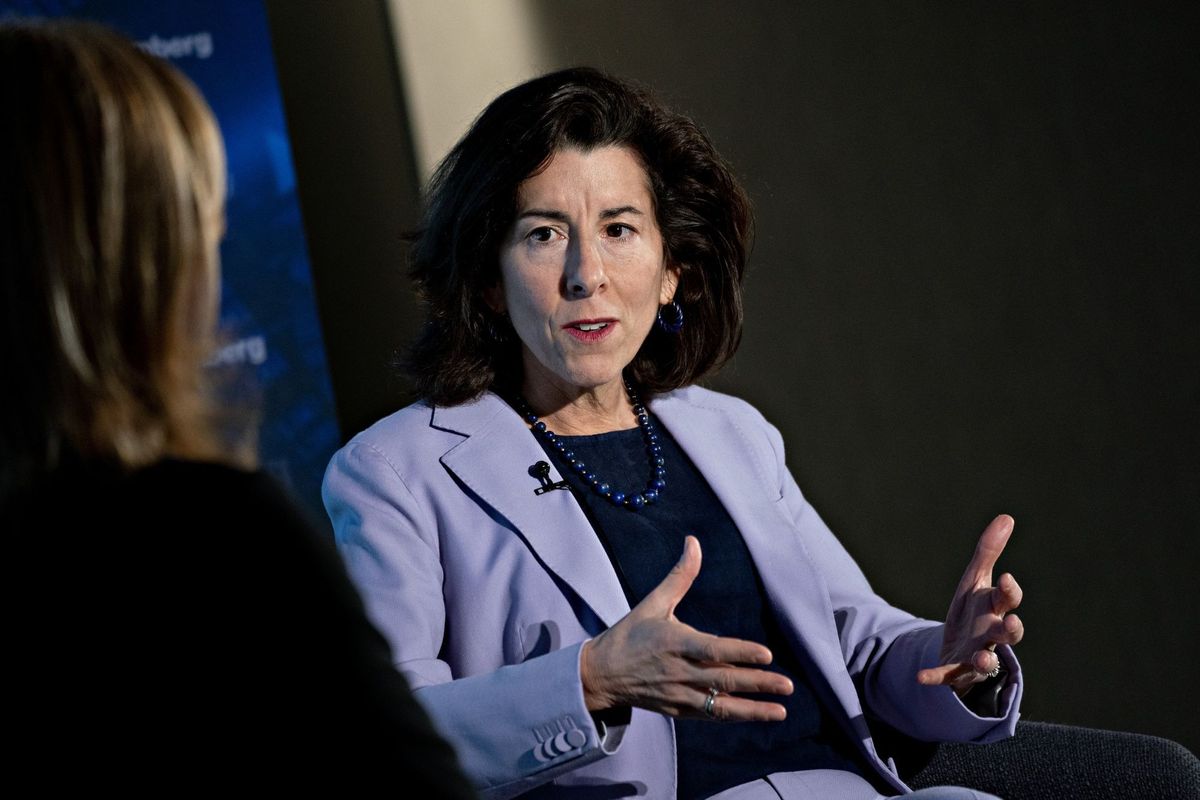 Commerce Secretary Gina Raimondo during an interview in D.C. on Thursday. (Andrew Harrer/Bloomberg News) | | | Commerce Secretary Gina Raimondo said Thursday that semiconductor chip companies seeking U.S. government funding should move quickly on environmental reviews for new projects, David Shepardson reports for Reuters. The remarks come as the Commerce Department on Tuesday released its framework to award $52 billion in chip manufacturing subsidies and research funding from the CHIPS and Science Act signed into law last year. Quoting from Shepardson's report: "Raimondo said the department is telling companies 'if they think they are going to apply (for funding) they should already have hired the consultants and the lawyers and start the process' of environmental assessments. "The faster they do that and get us the data, the quicker we can do it," the article quoted Raimondo as saying. Battles over environmental reviews could delay projects past a key December 2026 deadline to qualify for a 25 percent investment tax credit on manufacturing equipment for factories, the article says. | | |  | Hill happenings | | | |  | Inside the industry | | | By Gerrit De Vynck, Caroline O'Donovan and Naomi Nix ● Read more » | | | | | |  | Competition watch | | | |  | Privacy monitor | | | |  | Workforce report | | | |  | Before you log off | | | That's all for today — thank you so much for joining us! Make sure to tell others to subscribe to The Technology 202 here. Get in touch with tips, feedback or greetings on Twitter or email. | |


No comments:
Post a Comment