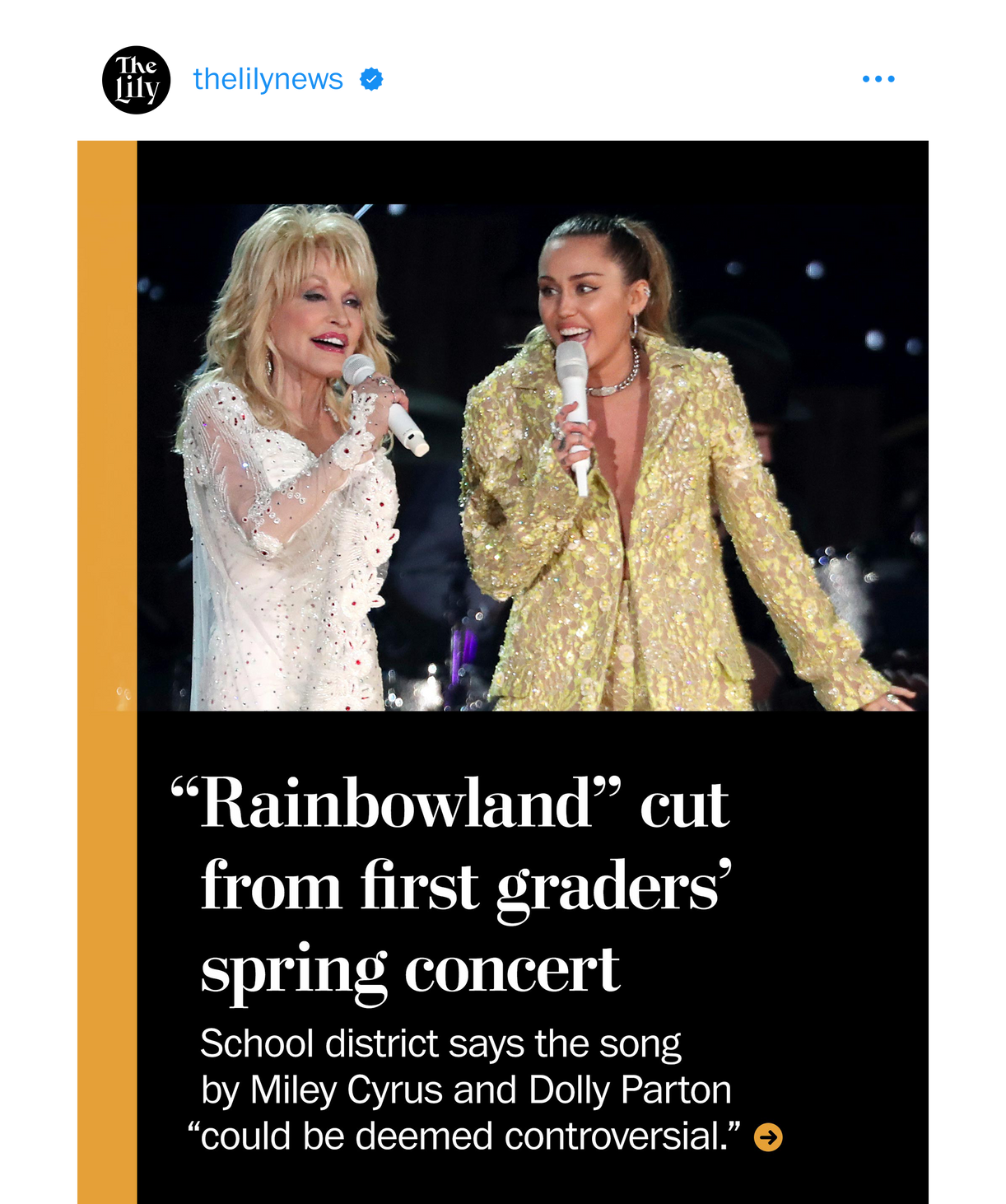
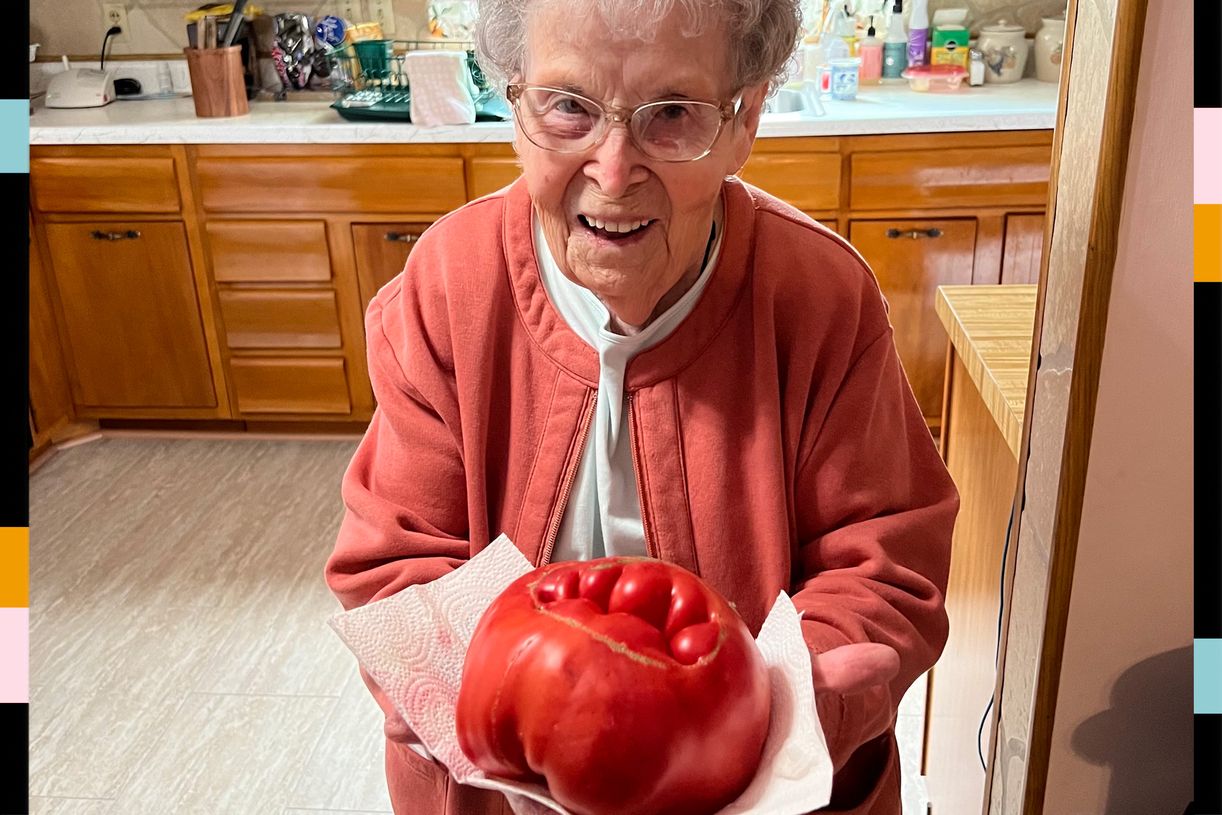
| | | | 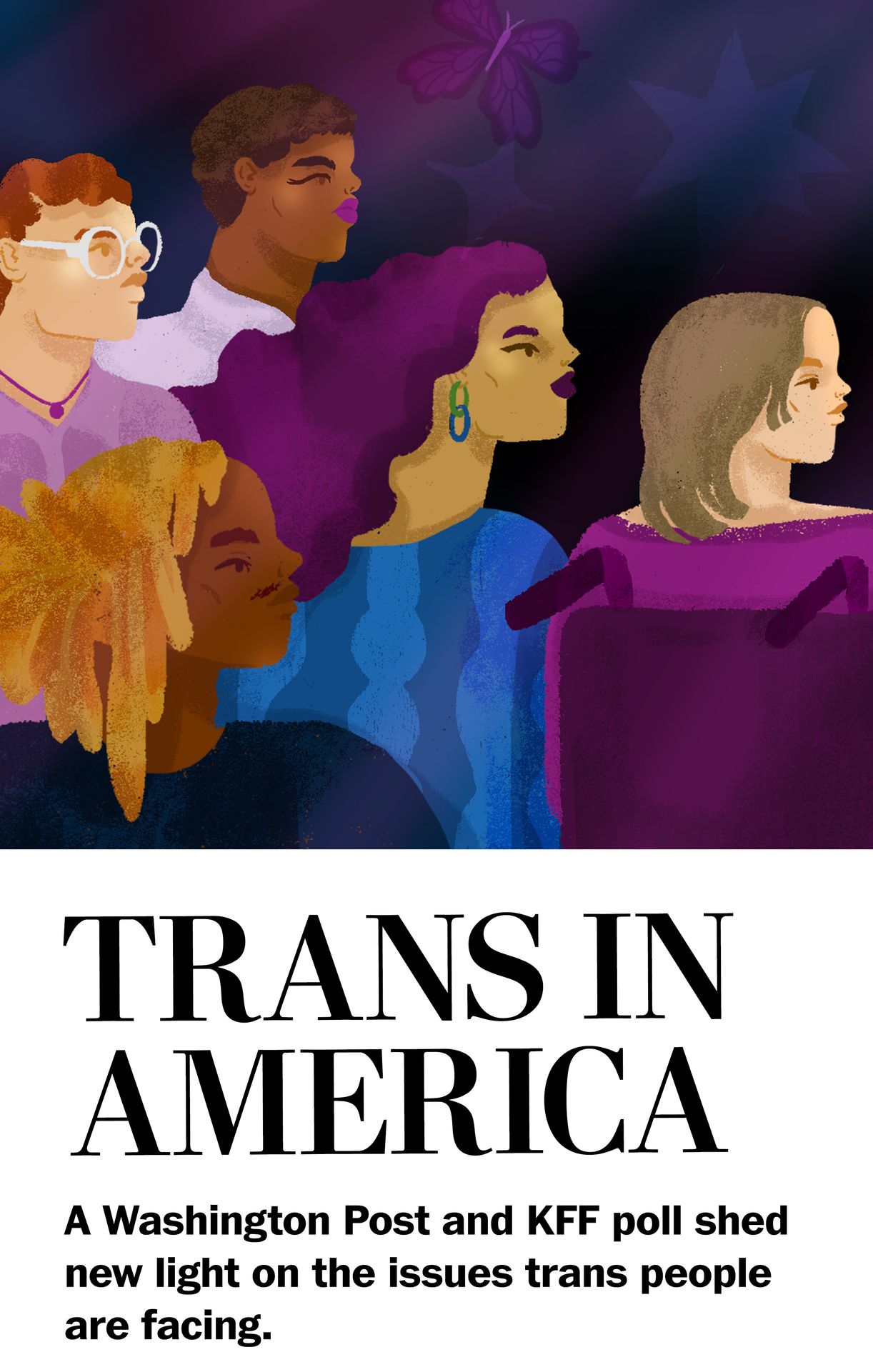 | | Every year The Washington Post's pollsters and the survey research team at KFF (a health research nonprofit) brainstorm what special survey we're going to team up to do that year. Often, we're drawn to surveying groups at the center of national debates whose perspectives haven't been represented in previous surveys. Doing surveys of smaller groups is harder and more expensive than larger populations, and this partnership with KFF gives us the ability to dial down on small groups and hear from them. In the past, we've done surveys of front-line health workers, long-term opioid users, college sexual assault victims, post-9/11 military service members and others. Last year, The Post and KFF decided to poll trans Americans so we could learn more about their lives, opinions and experiences. The Trans in America survey is the 36th poll we've done with KFF. Because the trans population is estimated as a relatively small 1.3 million adults (about 0.5 percent of the population), interviewing a sufficient number of them through random sampling is a significant challenge. The Post-KFF poll reached 515 trans adults through three long-running survey panels that recruit participants using random sampling methods: The Gallup Panel, NORC's AmeriSpeak Panel and the SSRS Opinion Panel. Using random sampling methods helps ensure results are representative of the trans population overall. The samples of trans adults were combined and weighted to match the demographics of the national U.S. adult trans population. We learned a lot from trans Americans' responses to the survey as well as in follow-up interviews about their experiences. Most said transitioning made their lives better. We're excited to share the first stories from the project. | | | | | Three need-to-know stories | | 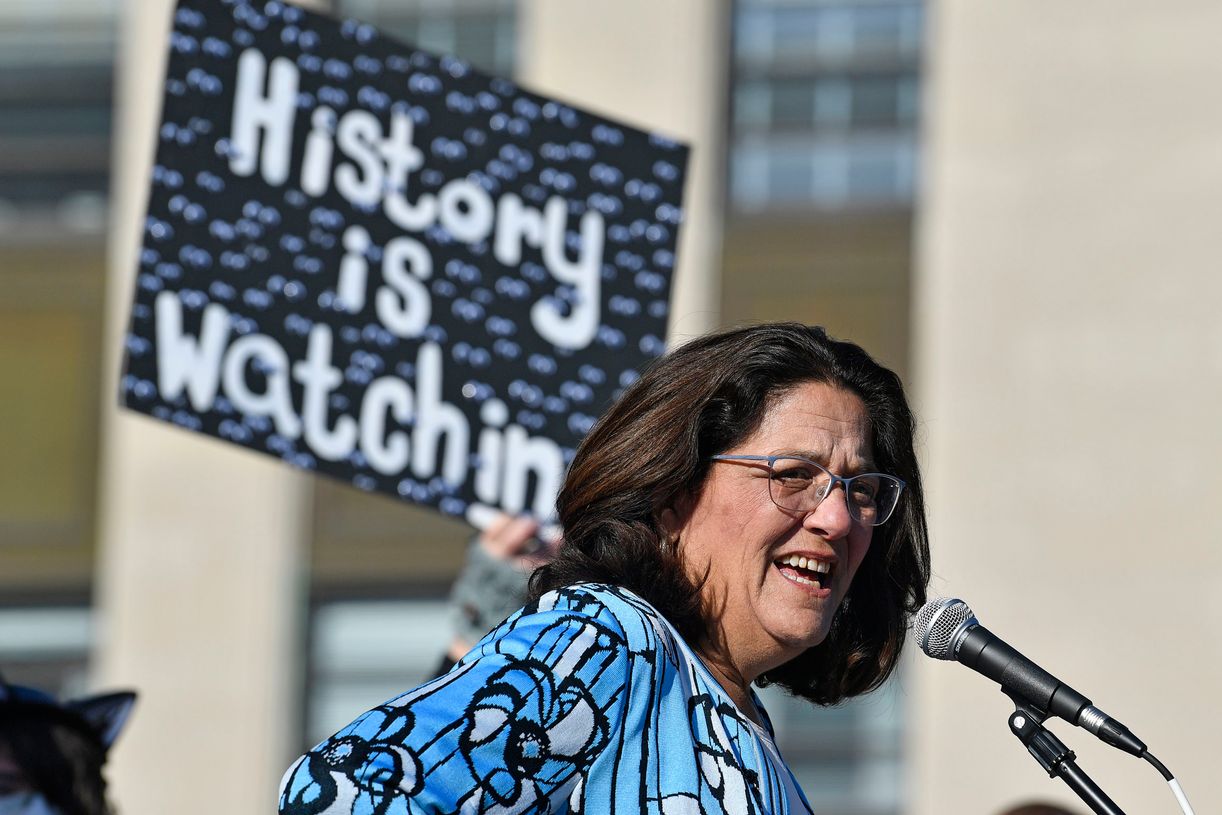 | 01.Kentucky lawmakers passed a sweeping bill Wednesday that restricts how doctors and schools treat transgender youths, overriding the governor's veto and forceful objections by state medical associations, education officials and parents with trans children. The law — which sparked protests inside and outside the Capitol and takes effect this summer — bans access to gender-affirming health care for trans children, restricts which bathrooms and lockers they use, prohibits discussion of sexual orientation and gender identity in schools, and allows teachers to use students' birth names and pronouns against their wishes. 02.A jury ruled Thursday that Gwyneth Paltrow was not liable for a 2016 ski collision with a man who claims the Oscar-winning actress careened into him on a slope in Utah and left him with life-altering brain trauma. Terry Sanderson, a 76-year-old retired optometrist, had sought upward of $300,000 in damages from the actress — down from the $3 million for which he originally sued after he and Paltrow collided on a beginners' slope in February 2016 at Deer Valley Resort in Park City, one of the top Alpine ranges in the country. A jury took three hours to deliberate before deciding the accident was Sanderson's fault, and that it caused harm to Paltrow. 03.LSU thundered to its first national title on Sunday afternoon, beating Iowa in the NCAA women's basketball championship, 102-85. With the win, LSU Coach Kim Mulkey became the first women's basketball coach to lead two different programs to a national championship (she's won three other titles with Baylor). Iowa was the favorite going into the finals, led by exceptional performances from national player of the year Caitlin Clark. LSU's Angel Reese, named the tournament's most outstanding player, dedicated the victory to "the girls that look like me, that want to speak up on what they believe in." | | | | | | | A story to make you smile | | | Sybil Gorby first planted a handful of heirloom tomato seeds in 1965. Every spring since, Gorby, 92, has planted seeds from that same lineage in her garden in Tyler County, W.Va. By late June, they begin to bloom, and by mid-August, plump, shiny and often-misshapen tomatoes are ready to pluck and eat. She always saves some seeds to plant the following season. According to Gorby, there's something exceptional about these seeds, and the large, succulent tomatoes they yield, year after year. "They have a sweet taste," said Gorby, who still lives on the 74-acre farm that she and her husband built a home on 60 years ago. "They're the most delicious tomatoes I've ever had." Read more from Sydney Page in The Washington Post. | | | | | But before we part, here's someone to know | | | (Courtesy of Natalie Vineberg) | Natalie VinebergDesigner, The Washington Post Part of your job is finding artists to pair with different projects. What are you looking for when you are matching an illustrator to a story?
I ideally look for someone I think will have something to say on the topic, or have some connection to it. That proximity to a subject will mean they understand it better, and hopefully make the project more fun or interesting to them. It's also fun to find someone who has a different style or interpretation of the topic than what you've seen before. You're from Montreal, which has become a big tourist destination (the "Paris of North America" and all). For someone visiting, what do you recommend they do?
Ristorante Lucca in Little Italy is my favorite restaurant, and has been for most of my life. In the middle of the pandemic, my favorite afternoon outing was going to the Jean-Talon Market, Cafe Ferlucci, and Le Pain dans les Voiles, and eating snacks from each while walking to the other. Beauty's Luncheonette and Arepera are also high on my list, as of course are St-Viateur Bagel or Fairmount Bagel (they are both great, I see no point in a rivalry). As is probably clear, food governs my life. Describe your perfect spring day.
Meandering and bookstores. I like to buy books as inefficiently as possible. | | | | | | | | | |




No comments:
Post a Comment