| In 1838, Georgetown University was on the verge of closing. To save itself, the university sold 272 enslaved people, according to Rachel L. Swarns, author and journalist. For her new book, "The 272: The Families Who Were Enslaved and Sold to Build the American Catholic Church," Swarns researched property records and other documents to piece together the sale through the eyes of one enslaved family, the Mahoneys. The slave trade sale was "critical" to the development of the Catholic Church in the United States, even though many priests spoke up against the practice, she found. About US spoke with Swarns about her research and what she learned. Here is an excerpt of the interview, which can be found in full here. How important was the slave trade to the development of the Catholic Church in America? It was really critical. Catholic priests who relied on enslaved laborers and slave sales built the underpinnings of the Catholic Church. The first Catholic institution of higher learning, Georgetown. The first archdiocese, the first cathedral. Priests who operated plantations and sold people established the first Catholic seminary. How did these priests justify spiritually and morally owning enslaved people? Unlike some White people at the time who viewed Black people almost like animals, Catholic priests believed that Black people had souls and believed that it was critical to nurture those souls. At the same time, they felt comfortable buying and selling and enslaving them. And they justified it in a number of ways. Slavery is referred to in the Bible. And it was also the practice of the day in Maryland where the Catholic priests established themselves first in the British colonies. But it's important to know that throughout the history of Catholic slave holding, there were priests who raised questions and concerns about it. 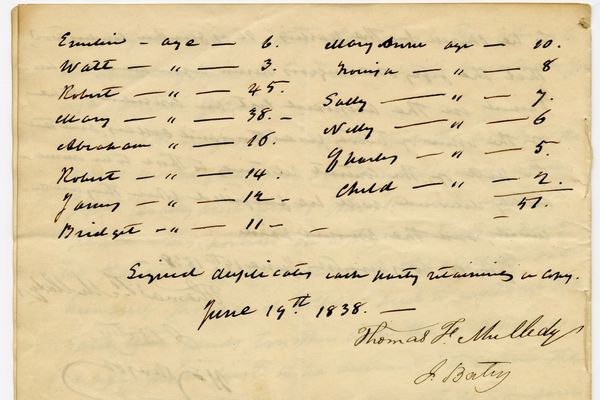 (Archive of the Maryland Province of the Society of Jesus, Box 62, Folder 3, on deposit at the Booth Family Center for Special Collections, Georgetown University Library, Washington, DC.) In "The 272," author Rachel L. Swarms tells the story of enslaved people sold to save Georgetown University through the eyes of one family, the Mahoneys. By Rachel Hatzipanagos ● Read more » | | | |
Naming America: Readers share their stories  A recurring feature exploring the evolving definition of what makes an "American" name. Share your story at aboutus@washpost.com. Read profiles of others who struggled to find acceptance. Miaoran Li, 39, Bentonville, Ark., attorney "I struggled for years with whether to change my name to something more pronounceable for English speakers. I toyed with English approximations to my name like Myron or Mel (although I am sure I would've been called Melvin if I went through with this one). But in the end, before I finished high school, I decided to keep my [Chinese] name as an act of teenage defiance. One fun side note - a fun positive side-effect of having a weird name to spell and pronounce is that it really baffles people who try to impersonate you or steal your identity, because they have trouble spelling your name." | |
From Post Live 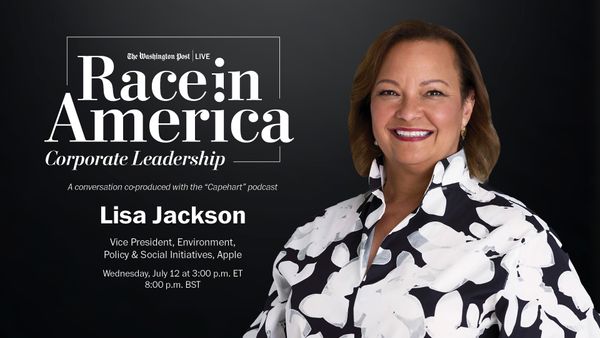 Over the last three years, Apple has doubled its financial commitments around racial and social justice initiatives in education, economic empowerment and criminal justice reform. On Wednesday, July 12 at 3:00 p.m. ET, Lisa Jackson, Apple's vice president of environment, policy and social initiatives, joins The Post's Jonathan Capehart to discuss the company's investments to address systemic racism and efforts to build a diverse workforce. By Washington Post Live ● Read more » | | | |


 Email
Email


No comments:
Post a Comment