| The 5-Minute Fix will be off Thursday, Friday and Monday. We will be back in your inbox Tuesday, Sept. 5. Send me questions and any thoughts you have about what we should cover in this newsletter in the fall. Let's first talk about Mitch McConnell The Senate's top Republican suddenly froze publicly for the second time in a little over a month, this time while addressing reporters in his home state of Kentucky. He abruptly stopped talking and stared straight ahead for more than 20 seconds. He remained silent even after an aide stepped in to repeat the question for him. He eventually answered some questions with the aide's help, then walked out of the room. Here's the video. McConnell is 81, and he's had some health issues recently. The last time this happened was in July in front of reporters in the Capitol. Both times, McConnell's office said the senator felt lightheaded. In March, he was out of work for nearly six weeks to recover from a concussion and broken rib after falling at a dinner. McConnell is already the Senate Republicans' longest-serving leader. If Republicans recapture the Senate majority in next year's election, he would probably regain his dream job of majority leader. But this summer, some people at a public event in Kentucky shouted at him to retire. How to argue about lowering drug costs 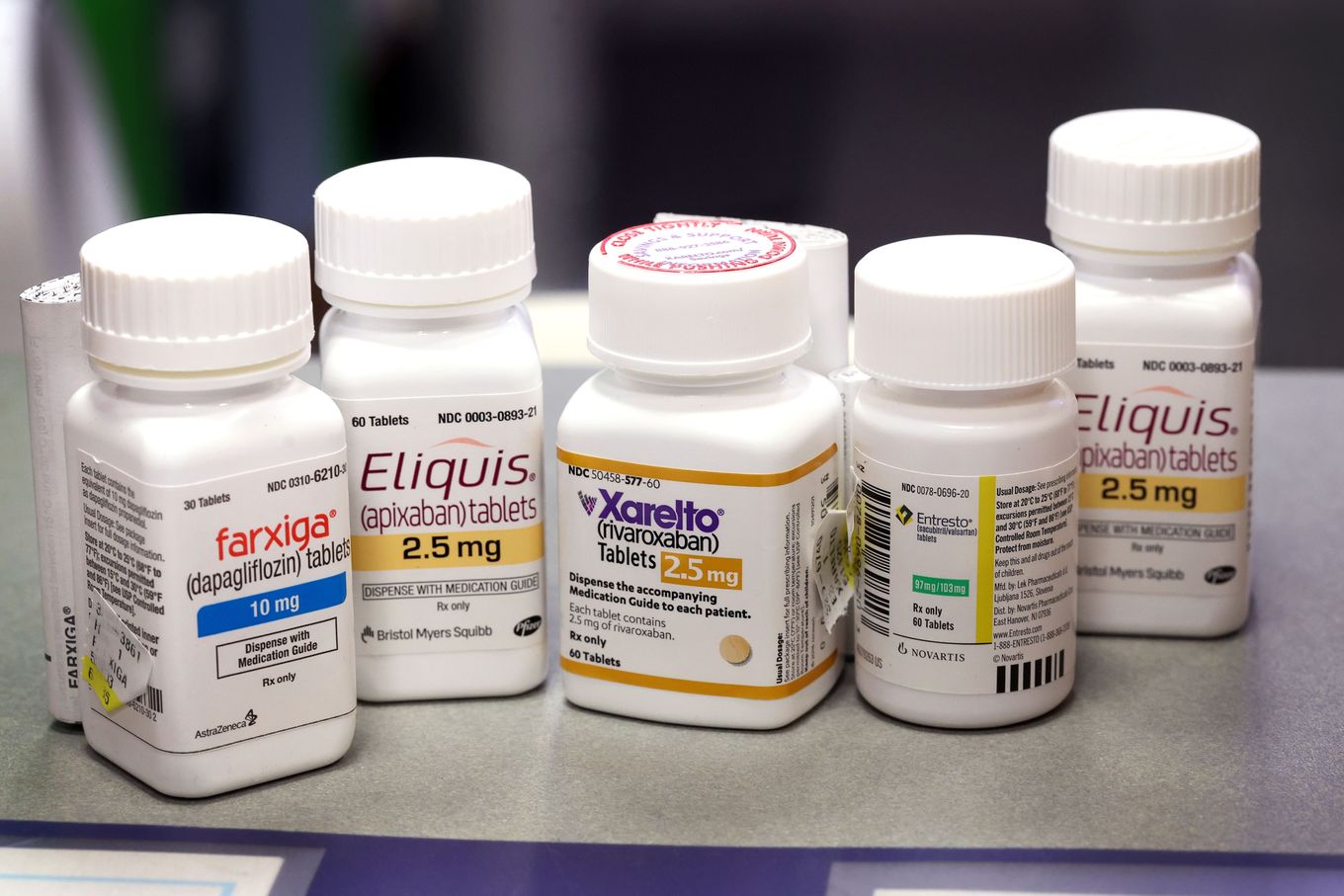 Some of the prescription drugs that will be subject to Medicare price negotiations under the Inflation Reduction Act. The other drugs include Jardiance, Enbrel, Januvia, Imbruvica, Stelara and Fiasp. (Photo Illustration by Scott Olson/Getty Images) | Politicians agree that many prescription drugs in the United States are too expensive. Where they differ — greatly — is how to make that medicine more affordable. President Biden and other Democrats have recently taken a stab at it, and this could be a major campaign issue next year. Republicans disagree with that Biden's doing. Here's the debate about drug prices. What Democrats say should happen: The federal government should step in to negotiate drug prices with manufacturers. Last year, they passed a law called the Inflation Reduction Act that made it legal for the government to negotiate drug prices for Medicare. That's an insurance program for seniors, and Democrats hope this could filter down to change the drug market for everyone. This week, the Biden administration announced 10 widely used, costly drugs it will negotiate prices on, The Washington Post's Amy Goldstein and Daniel Gilbert report. They include a diabetes treatment, a heart failure medication and a blood cancer drug that patients must pay an average of $5,000 a year for. (Liberal Democrats wanted to tackle many more drugs.) What Republicans say should happen: They aren't sure, Politico reports, but they think the government should stay out of drug prices. Conservatives generally agree with the pharmaceutical industry that when you limit drugmakers' earnings, you limit their potential to fund clinical trials and develop new uses for drugs. The U.S. Chamber of Commerce is one of several groups suing the Biden administration to try to stop it from negotiating drug prices. What the public thinks: They're in favor of Democrats' proposal. More than 8 in 10 Americans support the idea of government negotiating over drug prices, according to KFF, a health-care policy organization with reputable polling. | 


 Email
Email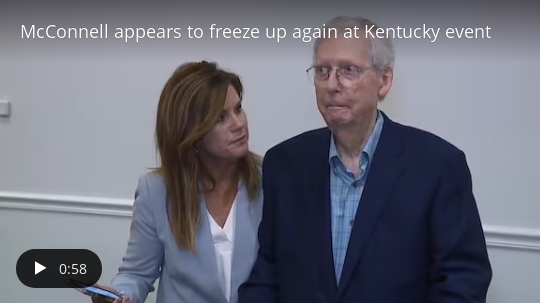


No comments:
Post a Comment