| Happy Friday! Surprised to see us today? We'll occasionally be bringing you special extra editions of the newsletter in addition to our new biweekly schedule on Tuesdays and Thursdays. Send tips year-round to: cristiano.lima@washpost.com.
Below: The Biden administration requests a pause on a social media order, and TikTok and the United States rekindle talks. First: | California blazing ahead on tech regulation, again | 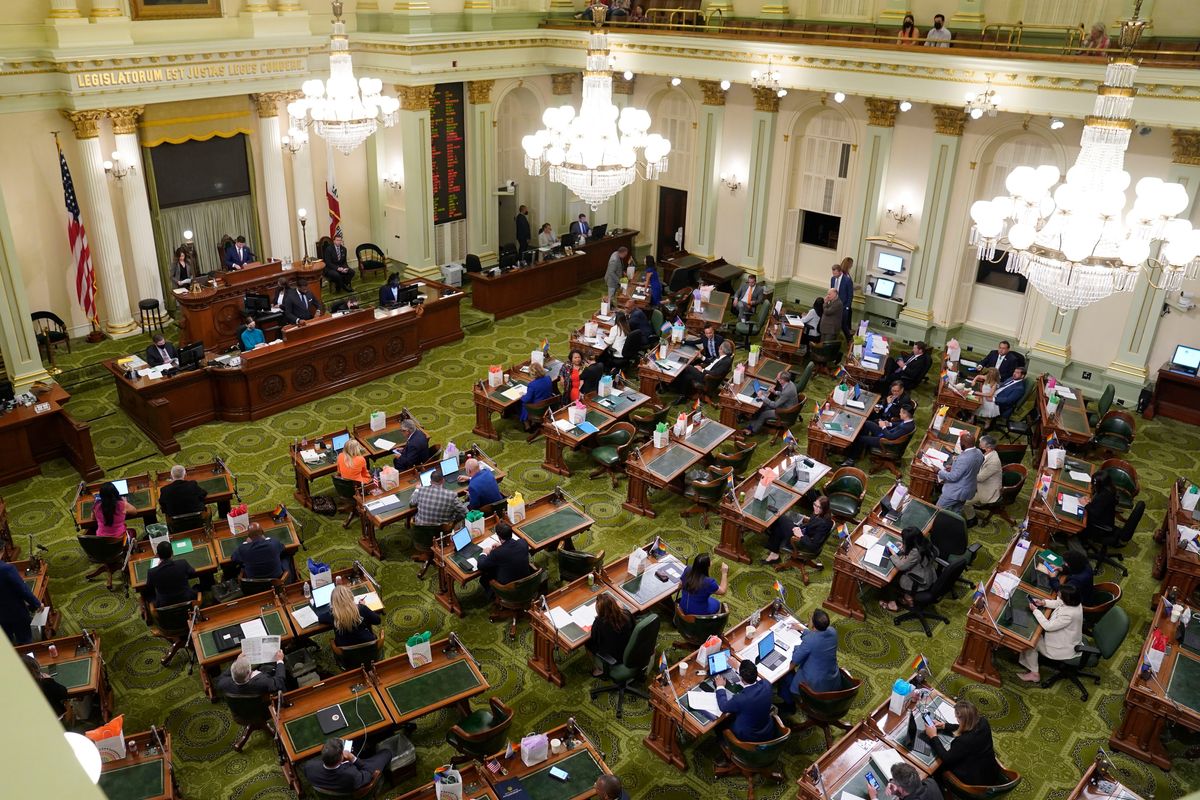 Members of the California State Assembly meet at the Capitol in Sacramento in June 2022. (Rich Pedroncelli/AP) | | | California legislators this week passed a flurry of proposals to regulate the tech industry, including bills to rein in data brokers' privacy practices and to allow consumers to tweak or fix their personal electronic devices, referred to as the "right to repair." The bills are yet another signal of the state's aggressive moves to set its own tech regulations as policymakers in Washington struggle to pass any major laws. The bills advanced ahead of the California legislature's final day on Thursday, typically a dizzying year-end sprint, and could soon be signed into law by Gov. Gavin Newsom (D). California, home to many Silicon Valley giants, has repeatedly sped past other states in setting new internet regulations, including its landmark 2018 privacy law and measures expanding protections for children online and creating new transparency requirements for platforms last year. And state lawmakers have already signaled they will press to pass more sweeping tech measures when they return next year. Here's a breakdown of the legislative frenzy: | | Both of the state's chambers greenlit the Delete Act, which would create a hub where Californians could order hundreds of data brokers to delete and stop collecting their information. The bill, S.B. 362, builds on protections in the California Consumer Privacy Act. | | | | | | | | Thanks to ForgeFX's VR training tool, students across the country can gain virtual hands-on experience from the Tulsa Welding School—which means more aspiring welders can access quality training and more open jobs can be filled.
| | | |  | | | | | Hayley Tsukayama, associate director of legislative activism at the Electronic Frontier Foundation digital privacy group, wrote in August that the bill "gives us all a much-needed method to exercise our privacy rights" and "helps us gain better control over our data." (Tsukayama previously worked as a consumer technology reporter at The Washington Post.) | | State lawmakers this week passed the Right to Repair Act, S.B. 244, which would require companies to give consumers the tools to independently fix their products. While California is not the first state to pass such legislation, the move marks a major win for the "right to repair" movement, which for years has battled against giants like iPhone maker Apple. The company last month surprised advocates by embracing such a bill for the first time. "The era of manufacturers' repair monopolies is ending, as well it should be," iFixit CEO Kyle Wiens, whose e-commerce site has advocated for "right to repair" bills, said Tuesday. | Liability over child abuse material | | California's State Assembly and Senate this week also passed A.B. 1394, which seeks to open tech companies up to liability if they knowingly "facilitate, aid, or abet" the spread of child abuse material, after failing to advance a separate measure to expose platforms to more lawsuits. Tech industry groups have spoken out against the bill, which resembles the controversial federal sex trafficking law known as FOSTA-SESTA. Jim Steyer, CEO of the children's advocacy group Common Sense Media, called its passage "a hugely important step to help stamp out the insidious and deeply harmful problem of online child sex trafficking." | AI, news bill on the horizon | | |  | Our top tabs | | Biden administration asks Supreme Court to pause social media contact limits | 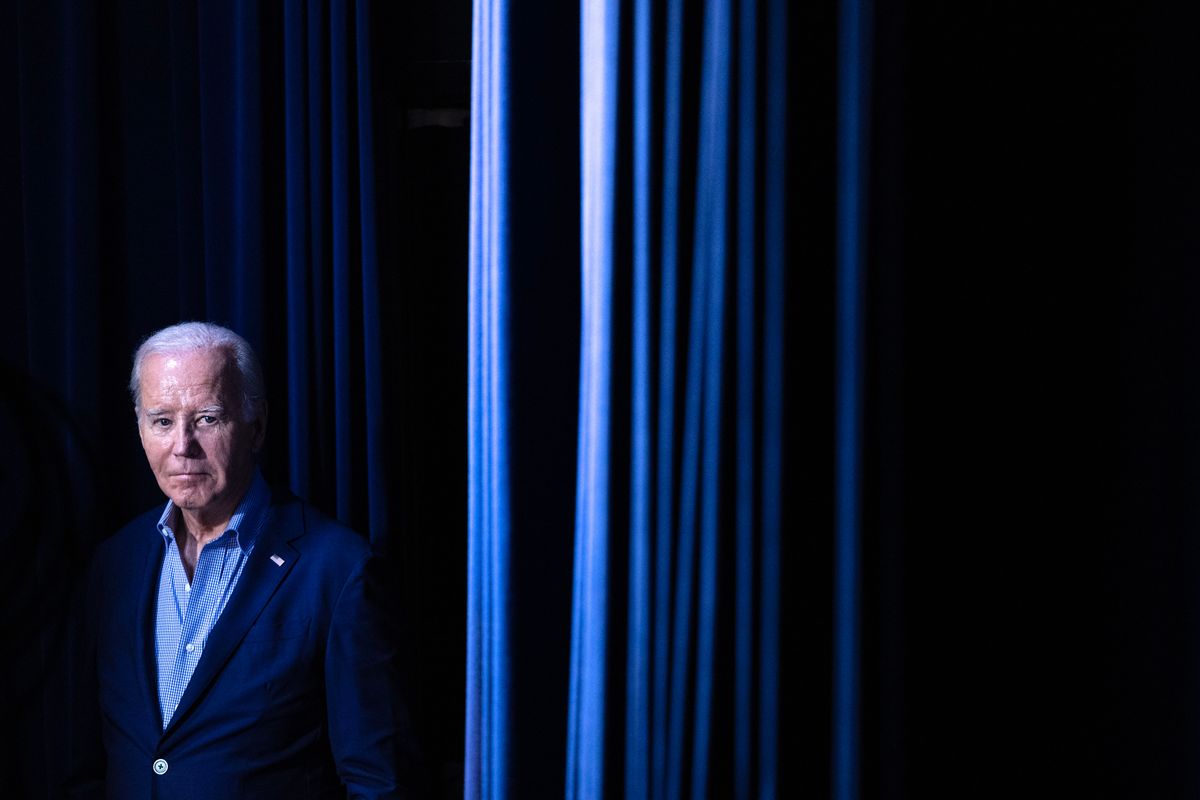 President Biden waits to walk on stage during a virtual event with the National Education Association at the White House in July. (Tom Brenner for The Washington Post) | | | The Biden administration on Thursday asked the Supreme Court to pause a lower court order that acutely restricts the White House and certain federal agencies from actions that "coerce or significantly encourage" social media companies to remove or suppress posts, our colleague Cat Zakrzewski reports. The high court quickly responded Thursday, granting an administrative pause on the injunction. Responses to the administration's petition are due by Sept. 20. The U.S. Court of Appeals for the 5th Circuit ruled last week that the Biden White House, top government health officials and the FBI likely violated the First Amendment by improperly influencing tech firms' decisions on removing or suppressing posts about covid-19 and elections. That ruling narrowed the scope of a July 4 order to a smaller group of federal agencies and put communication restrictions on hold for 10 days to give the Biden administration time to appeal. The case is a high profile example of a conservative push to limit how social media companies handle the content users see online, and experts have suggested it would be a strong candidate for the high court's review. | TikTok and U.S. rekindle talks, boosting Chinese app's survival |  ByteDance teams and the Committee on Foreign Investment in the United States, a Treasury Department entity that oversees U.S. foreign business transactions, met last week, said four people familiar with the matter. (How Hwee Young/EPA-EFE/Shutterstock) | | | TikTok's China-based parent company ByteDance and the United States are back to negotiating about the popular video app's survival in the United States, our colleague Drew Harwell reports. | | The news comes six months after the Biden administration stood behind two hard-line options for the app: Divest from its Chinese owners or wait for Congress to ban TikTok with a bill. ByteDance teams and the Committee on Foreign Investment in the United States, a Treasury Department entity that oversees U.S. foreign business transactions, met last week, said four people familiar with the matter who spoke on the condition of anonymity because they were not authorized to discuss the talks. "Now that hard-line stance appears to have dissolved amid doubts the administration has the authority to ban TikTok on its own and signs that a proposed law that would have given it more authority has stalled in Congress under fire from both the left and right," Drew writes. The renegotiation is signaling politicians' "waning interest" in facing public backlash from fighting popular social media app that both Republican and Democrat political candidates may need to win the 2024 presidential election and future political races, the report adds. | GOP lawmakers push for heavier sanctions against Chinese tech firms | 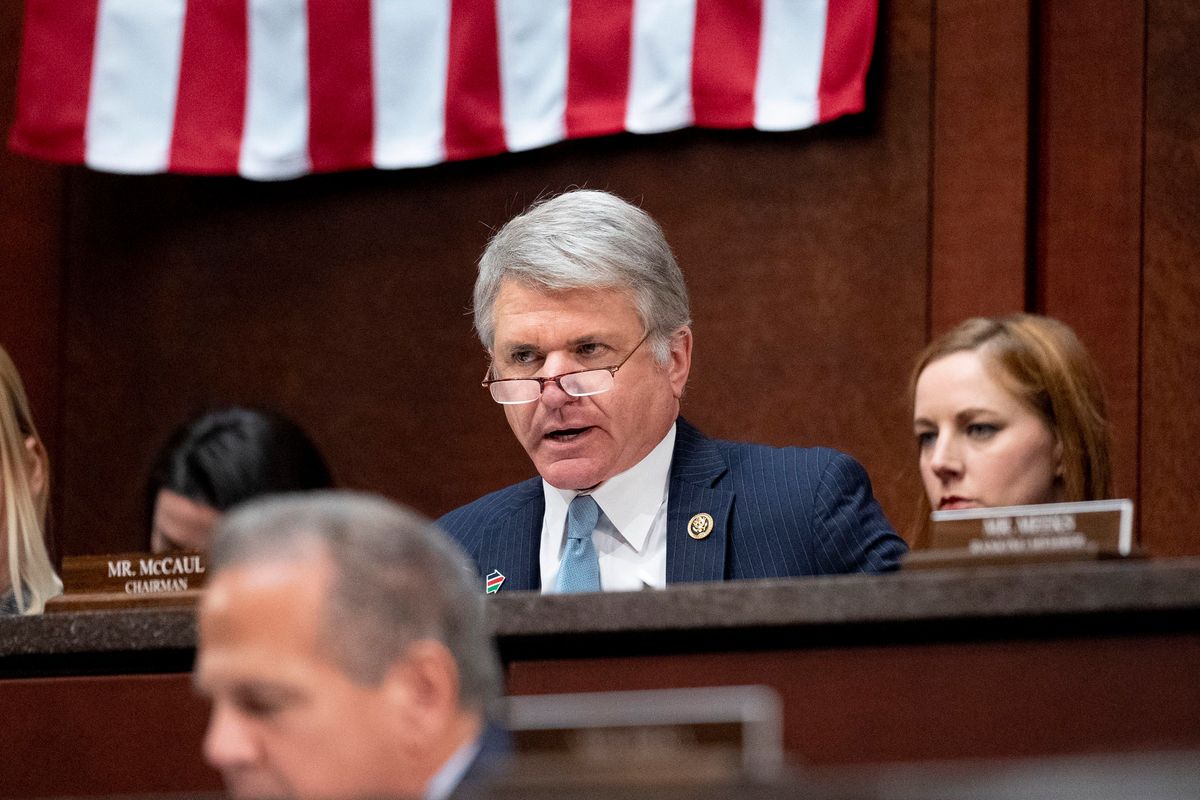 The letter led by Rep. Michael McCaul (R-Tex.) called on the Commerce Department to set up a China-facing sanctions authority under the International Emergency Economic Powers Act. (Andrew Harnik/AP) | | | A coalition of Republican lawmakers is urging the Biden administration to impose heavier sanctions against China's Huawei Technologies and Semiconductor Manufacturing International Corp., after the two companies displayed a domestically manufactured advanced smartphone chip that signaled Beijing had circumvented U.S. tech sanctions, our colleague Eva Dou reports. "House Foreign Affairs Committee Chairman Michael McCaul (R-Tex.) and nine other lawmakers signed the letter dated Thursday, which suggested seven measures to tighten sanctions against China's chip industry and punish Huawei and SMIC for allegedly violating U.S. export controls," Eva writes. The letter was addressed to Alan Estevez, the Commerce Department's undersecretary of commerce for industry and security. Huawei earlier this month unveiled a smartphone with an advanced SMIC processor that timed with Commerce Secretary Gina Raimondo's visit to China, in an apparent move that showed the nation has been able to work around several years of Washington's export controls and sanctions aimed at slowing Beijing's tech competitiveness and military development. "The letter called on the Commerce Department to set up a China-facing sanctions authority under the International Emergency Economic Powers Act, which could impose 'full blocking sanctions' on Huawei and SMIC," Eva writes, adding: "It called for all existing export licenses to Huawei and SMIC to be revoked, and for criminal charges to be pursued against the companies' executives." | | |  | Agency scanner | | | |  | Inside the industry | | | |  | Competition watch | | | |  | Privacy monitor | | | |  | Workforce report | | | |  | Daybook | | - Stanford University holds an event on responsible AI governance at 1:30 p.m.
| | |  | Before you log off | | | That's all for today — thank you so much for joining us! Make sure to tell others to subscribe to The Technology 202 here. Get in touch with tips, feedback or greetings on Twitter or email. | |





No comments:
Post a Comment