| |  | | Assistant editor | | Missed yesterday's edition? You can view previous newsletters on this page. | Fleet-footed fires and rosy-fingered hope | | | People look at the wildfire raging in the forest area of Sikorahi, near Alexandroupolis in northern Greece on Aug. 23. (Sakis Mitrolidis/AFP/Getty Images) | | It reads like a dystopian novel: "I have told my kids that if they see smoke coming from the forest … just go, run, fly on your bikes. I'll find you." But A.E. Stallings's essay reads like an idyll, too. The American poet living in Athens describes the little island her family escapes to in the summer, with its pine trees and peacocks and "hum of wild bees in the thyme." This is the evil of climate change: ruining beauty, transforming a retreat into a risk zone. Stallings writes of how so many parts of Greece (and the world) have been ravaged by fires unlike any of the ones Homer knew. Each detail of her lyrical text is wrenching. Devastation hasn't washed over her little island yet, but she worries it's only a matter of time. Meanwhile, activists the world over are taking the fight against climate change to court. A column from Bina Venkataraman and Amanda Shendruk surveys the global legal status of the right to a pristine environment. Many countries guarantee some form of this right in their constitutions, as do some U.S. states. And, of course, when that right is abridged, legal recourse can follow. A state court ruling in favor of a band of Montanans aged 5 to 22 holds particular promise for the generations who will inherit the changing climate. Chaser: Yes, a whole book! Kim Stanley Robinson's "The Ministry for the Future" is a terrific speculative exploration of future generations' legal standing vis-à-vis the environment. (Here's a taste of his writing: an op-ed on why a declining global population is not a problem.) | A caution on covid worries | | Covid-19 hit contributing columnist Ramesh Ponnuru's household over the past few weeks (as it did ours — thank you to the friend who sent a full hot pot kit). That's because coronavirus caseloads are rising again across the United States. Ramesh writes that our worries shouldn't rise with them. Part of his reasoning is that a freak-out would be fruitless; frankly, "the public is not going to accept restrictive coronavirus mitigation measures again." Contributing columnist Leana Wen also sees no cause for concern yet, even though rising cases are accompanied by yet another new variant, BA.2.86. Who can keep up? Her latest newsletter (which you can sign up for here) argues that until and unless BA.2.86 proves to be way more virulent, transmissible and booster-resistant, there's no need to think about mask mandates and whatnot. "Those measures should be reserved for a true emergency," Leana writes, "which we currently do not have." And thank God for that, because, based on his op-ed, it might legitimately undo poet Ross Gay to again give up one of his greatest delights: hugging. | | 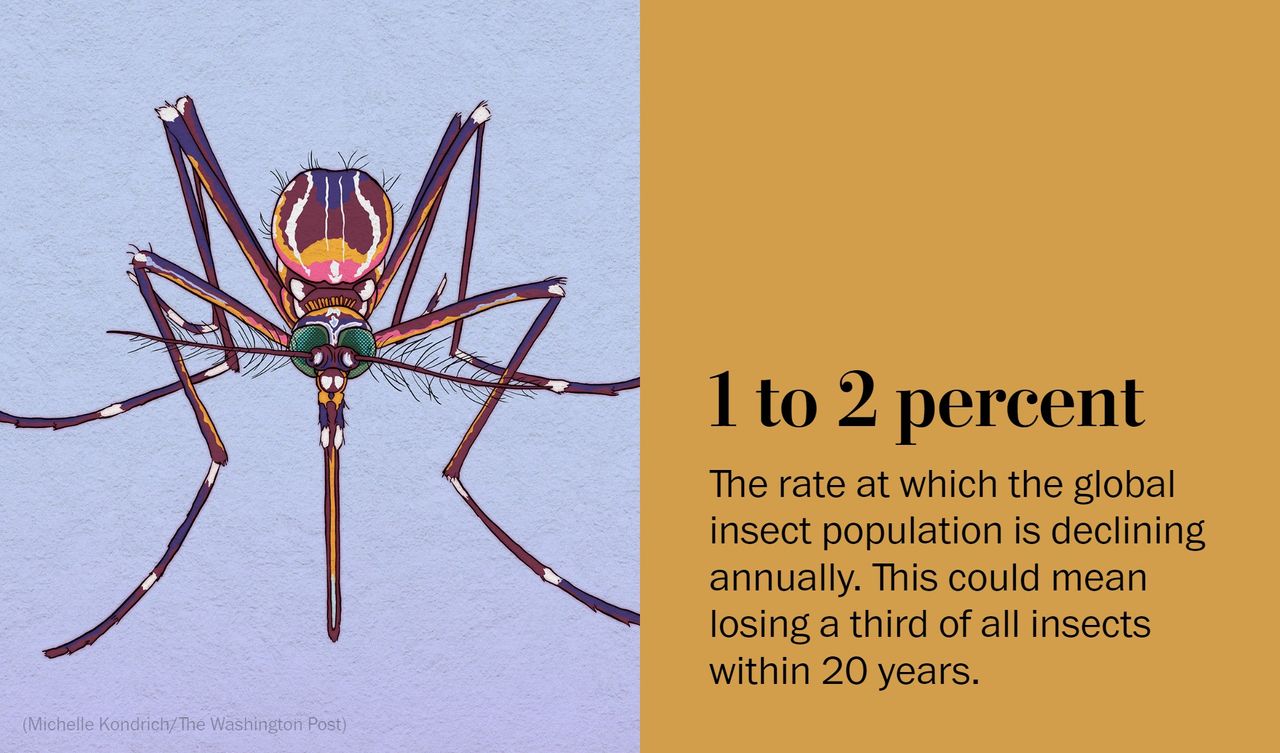 | | Now, before you go dreaming about your mosquito-less Memorial Day 2043, listen to Dana Milbank's warning: "If this mass extinction of insects isn't reversed, it will decimate the entire food chain, threaten crop pollination and generally cause havoc." Dana's essay is the latest in his chronicle of becoming a responsible landowner in rural America, and this phase is one of the toughest steps yet for him: He hates bugs. (There's a fun anecdote from years back about lacing his bushes with garlic to ward off the bloodsuckers.) But after educating himself via plenty of experts, Dana reaches a freeing conclusion: "The problem isn't that we have too many bugs in cities and suburbs; the problem is that we don't have nearly enough" after fighting them tooth and nail for decades. Out in the country, the bugs don't bite; there are more of them, yes, but a smaller proportion with a hankering for human blood. Dana argues that a man-bug truce could return to that balance in cities, too. Put away the DEET and, come 2043, you might welcome the skeeters to your cookout as you would any other guest. Chaser: Have you looked at a moth lately? Look again! Akito Kawahara and Carla Rhodes show just how spectacular they are. | | It brings me no pleasure to report that this section involves Ronald Reagan's colon. As contributing columnist Jim Geraghty remembers, the nation was treated to diagrams of polyps in the Gipper's innards as he was having them removed. We could use at least a soupçon of that transparency when it comes to contemporary politicians' health — President Biden, Donald Trump, Dianne Feinstein and, most keenly right now, Mitch McConnell. The Senate minority leader's second public "freezing" incident is even more worrisome than the first, Jim writes, and merits more than a rote statement from Congress's doctor. Maybe not a hemorrhoid chart, but Jim names the reassurances that would fit the bill. | | It's a goodbye. It's a haiku. It's … The Bye-Ku. Little millipede You have been wronged these long years Thousandfold handshake Plus! A Friday bye-ku (Fri-ku!) from reader John P.: Just open: Senate Memory Care Day Unit "Rest here between votes!" | | *** Have your own newsy haiku? Email it to me, along with any questions/comments/ambiguities. Have a great weekend! | | | | | | |


 Email
Email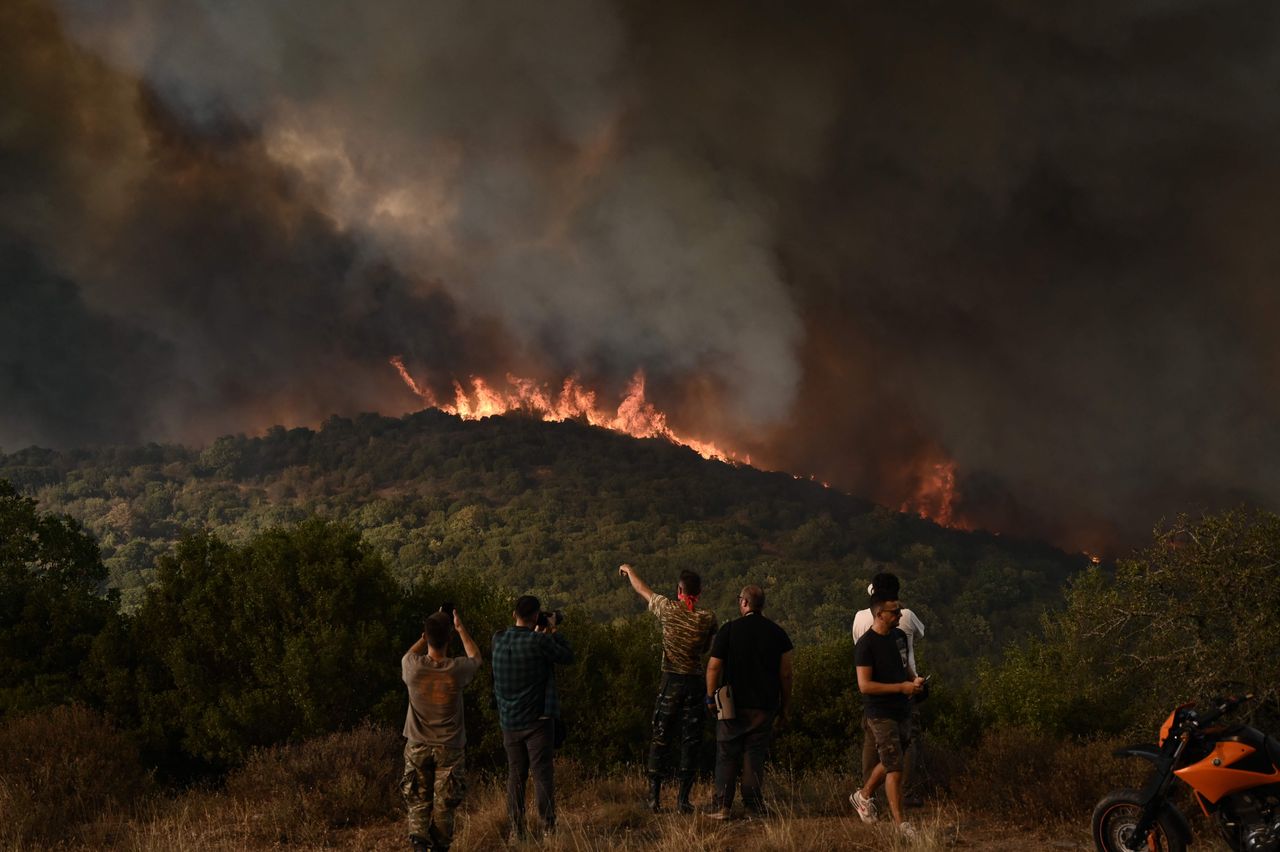


No comments:
Post a Comment