| Welcome back to The Technology 202! We're excited to announce that our ace researcher Aaron Schaffer is officially joining the team full-time. Send him your congrats at aaron.schaffer@washpost.com or on Twitter @aaronjschaffer, and as always, send news tips our way: cristiano.lima@washpost.com and @viaCristiano. Bellow: The next deadline for the European Union's tech crackdown is approaching, and a new wrinkle in the Apple-Epic Games saga. First up: | U.S. inches closer to resolving digital tax dispute, but major obstacles remain | 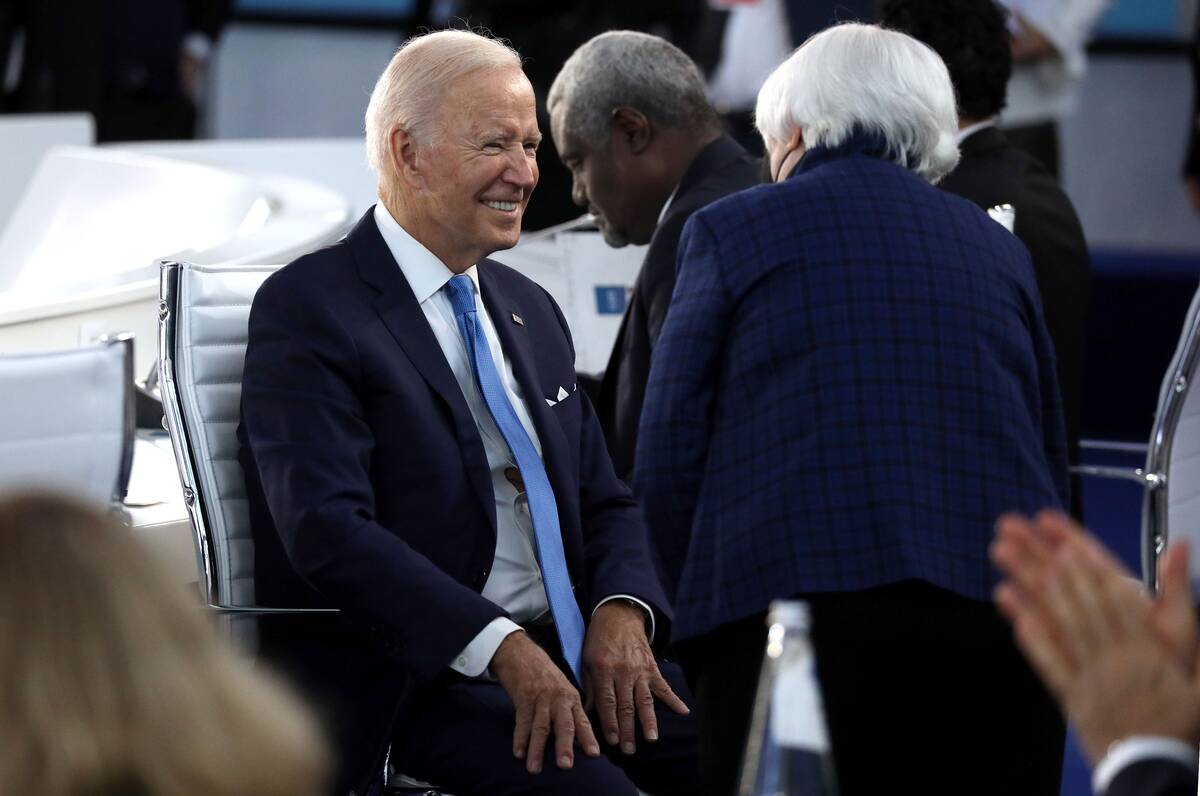 President Biden and Treasury Secretary Janet Yellen speak during the G-20 Summit in Rome on Oct. 30. (Alessia Pierdomenico/Bloomberg) | | | President Biden and other heads of state from the Group of 20 formally endorsed a new global minimum tax at a summit in Rome on Saturday, a move that brings the United States a step closer to resolving long-running tensions over foreign levies targeting Silicon Valley companies. But significant challenges loom for negotiators around the world — including in the United States, where the Biden administration will need to find a way to get the deal through Congress. G-20 leaders approved of the plan to create a 15 percent global minimum tax, previously signed off by each nation's finance ministers, Jeff Stein and Seung Min Kim report. The endorsement adds momentum to efforts to get the deal signed into law in each of the participating nations, an arduous process that is required for its full implementation. "Today, every G-20 head of state endorsed a historic agreement on new international tax rules, including a global minimum tax that will end the damaging race to the bottom on corporate taxation," U.S. Treasury Secretary Janet Yellen said in a statement Saturday. "It's a critical moment for the U.S. and global economy." Entangled in those talks is a push led by the tech industry and backed by the White House to get other countries to drop taxes that narrowly target digital giants, like Facebook and Google. Silicon Valley leaders say these individual taxes would put them at a competitive disadvantage, and tech trade groups have aggressively lobbied against them for years as they've gained steam globally. First unveiled last month by the Organization for Cooperation and Economic Development, the global tax framework would require participants to scrap their domestic digital services taxes and pledge to not propose similar rules again. More than 130 countries have signed on. | | But it would allow countries to tax major corporations, including but not limited to the tech giants, even when they don't have a physical presence in their territory. That's a compromise meant to appease officials in Europe and elsewhere who want to tax them more directly. Tech industry leaders welcomed the endorsement of the deal by G-20 leaders over the weekend but made clear they're still waiting for countries to kick plans to scrap their digital taxes into high gear. Jason Oxman, president and CEO of tech trade group the Information Technology Industry Council, praised the heads of state for "advancing meaningful commitments to a free, fair, inclusive and nondiscriminatory digital economy." But Oxman, whose group counts Apple, Amazon and Google as members, noted that they "continue to call for the full withdrawal of digital tax measures to provide much-needed certainty and predictability for businesses." One of the biggest hurdles toward finalizing the deal lies in the U.S. Biden will need to get the agreement approved by Congress, but it's unclear whether he'll need Republican buy-in, which could sink prospects of the U.S. fully implementing it. If so, it could make other countries think twice about fully participating themselves and give them an opening to backpedal on pledges to drop their digital taxes. Congressional Republicans say the agreement would require changing U.S. treaty law, which would mean Biden would need to secure a two-thirds majority to advance it. That would require significant support from Republicans, who have consistently opposed the plan. Ahead of the summit in Rome, Sen. Rick Scott (R-Fla.) wrote a letter to G-20 leaders vowing that he will "strongly oppose any attempt by President Biden and Secretary Yellen to usurp or circumvent the role of Congress in setting tax policy to advance this agreement." | | The Biden administration has rejected the GOP's interpretation of the law and argued changes can be carried out without passing a new treaty. Yellen has previously suggested the agreement could be included in the reconciliation package that Democrats are pushing to finalize. (That process, though, faces no shortage of hurdles itself.) | | The dispute over Biden's ability to advance the deal without GOP support could morph into a high-stakes legal battle that would put the fate of the deal on the line. That would be a worst-case scenario for the tech industry and its allies in Washington who are hoping for a swift resolution to the digital trade dispute, which has hovered over them for years. | | |  | Our top tabs | | E.U. countries aim to iron out differences on tech rules this month | 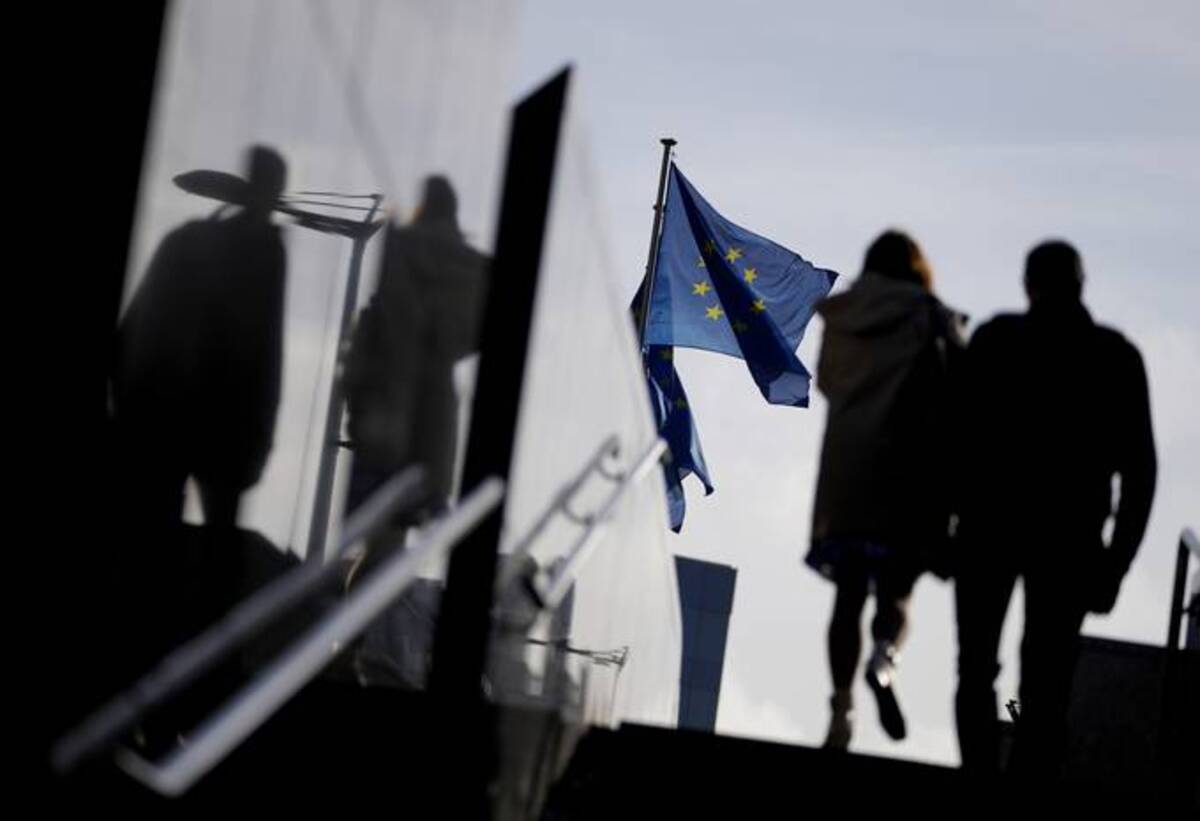 The countries have to decide who will get to regulate the world's biggest technology companies. (Virginia Mayo/AP) | | | The countries have agreed on most parts of legislation that would require technology platforms to do more to remove harmful content, people involved in the discussions told Reuters's Foo Yun Chee. The countries, however, still have to agree on who would get to regulate the biggest platforms. As it stands, Ireland regulates Facebook, Google and Apple because of the location of their corporate headquarters. But "a compromise proposal put forward by the French government and on the Nov. 8 agenda would allow the European Commission to regulate very large online platforms with more than 45 million active users in the EU in one year," Reuters reported. E.U. countries will probably back installing the European Commission as the enforcer of rules cracking down on major technology companies' gatekeeping power, Reuters reports. The countries want to agree on the rules on Nov. 25, but disagreements between E.U. lawmakers could set back their passage. | Apple foreshadowed its argument against "Fortnite" maker Epic Games |  Apple's objections focused on links and buttons to pay outside the App Store. (Patrick Semansky/AP) | | | Apple doesn't want to have to add buttons or links for payment mechanisms outside of its App Store, Reuters's Stephen Nellis reports. The argument comes ahead of a court hearing this month on Apple's request to put Judge Yvonne Gonzalez Rogers's ruling in the case on hold. | | In a September ruling, Gonzalez Rogers stopped short of calling Apple a monopolist but ruled that the tech giant has to let developers "steer" customers to alternative payment mechanisms. "Restrictions on linking out are inextricably tied to Apple's requirement that developers use [in-app payments] for purchases of digital content — a requirement this Court considered in detail and upheld against Epic's challenge," Apple said. Apple had fewer objections to in-app messages about payment outside the App Store. However, the company said it may want to "constrain their placement, format, or content," but Gonzalez Rogers's ruling wouldn't allow it to do so without facing challenges in court. | Facebook tried to understand its role in the climate denial movement as its researchers sounded the alarm | 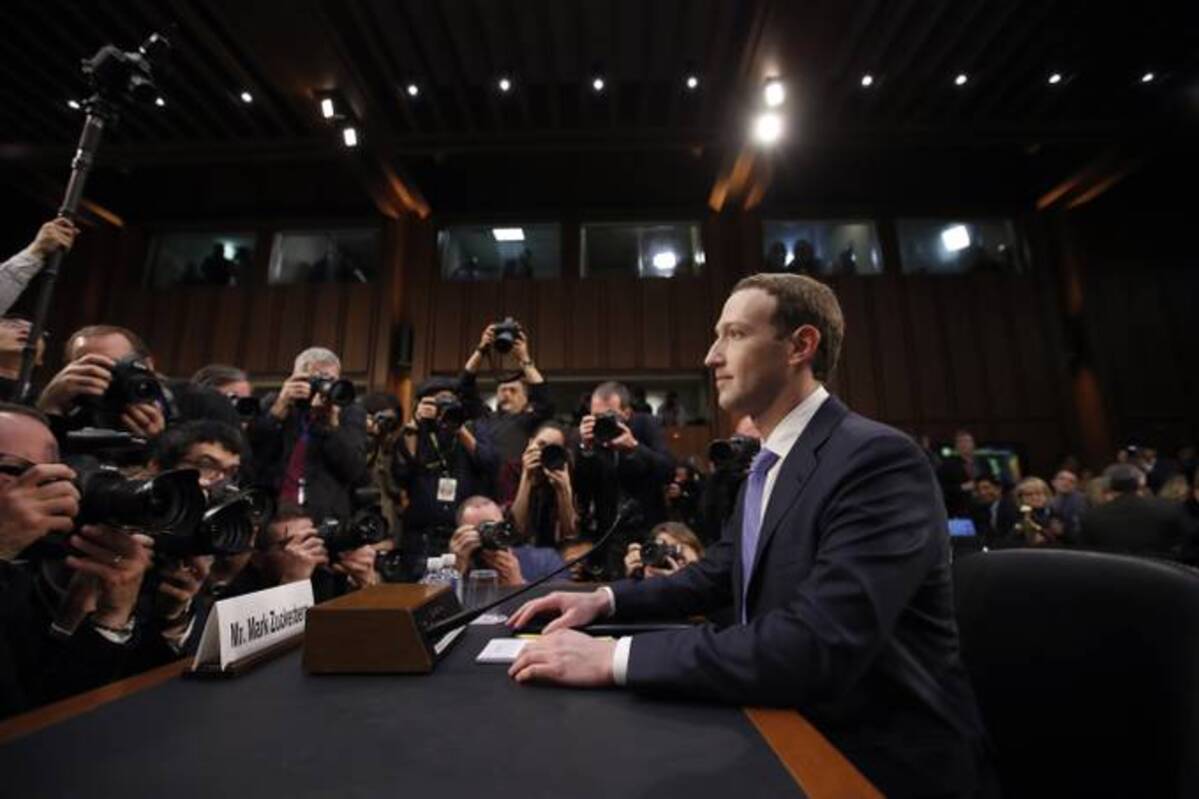 Facebook and CEO Mark Zuckerberg have come under pressure from lawmakers over climate misinformation on its platforms. (Alex Brandon/AP) | | | Internal documents provided to Congress and the Securities and Exchange Commission show that American users were especially skeptical of the company's Climate Science Center, Protocol's Issie Lapowsky reports. It comes after complaints by lawmakers and activists who argue that Facebook isn't doing enough to stop the spread of baseless claims about climate change on its platforms. The research "underscores the reasons why we've launched our Climate Science Center and has informed our approach to connecting people with authoritative information about climate change from the world's leading climate change organizations," Facebook spokesman Kevin McAlister told Protocol. | | |  | Rant and rave | | | A recent New York Times piece on Apple's latest best-selling product — a $19 cleaning cloth — had all of the elements of tech reporting immediately spotted by the Internet, like anonymous quotes and dramatic photoshoots. The Verge's Nilay Patel: | | Designer and developer Topher McCulloch: | | |  | Inside the industry | | | |  | Hill happenings | | | |  | Workforce report | | | |  | Trending | | | |  | Daybook | | - The Senate Judiciary Committee holds a hearing on online marketplaces on Tuesday at 10 a.m.
- New America's Wireless Future Project and Public Knowledge host an event on expanding spectrum access on Tuesday at noon.
| | |  | Before you log off | | | That's all for today — thank you so much for joining us! Make sure to tell others to subscribe to The Technology 202 here. Get in touch with tips, feedback or greetings on Twitter or email. | |





No comments:
Post a Comment