| For more than a year, a group of House lawmakers — seven Democrats and two Republicans — have been investigating the Jan. 6, 2021, attack on the Capitol. They could be wrapping up soon and sharing what they know with the public. Here's the latest. What they want to know: The committee members want to know a lot of things, but mainly what President Donald Trump did that day and what he did or didn't do to instigate the attack or stop it. They also want to paint a picture of how Trump's months-long drive to stay in power despite his loss played into this. They've interviewed hundreds of people, including Trump's daughter and son-in-law and top aides. 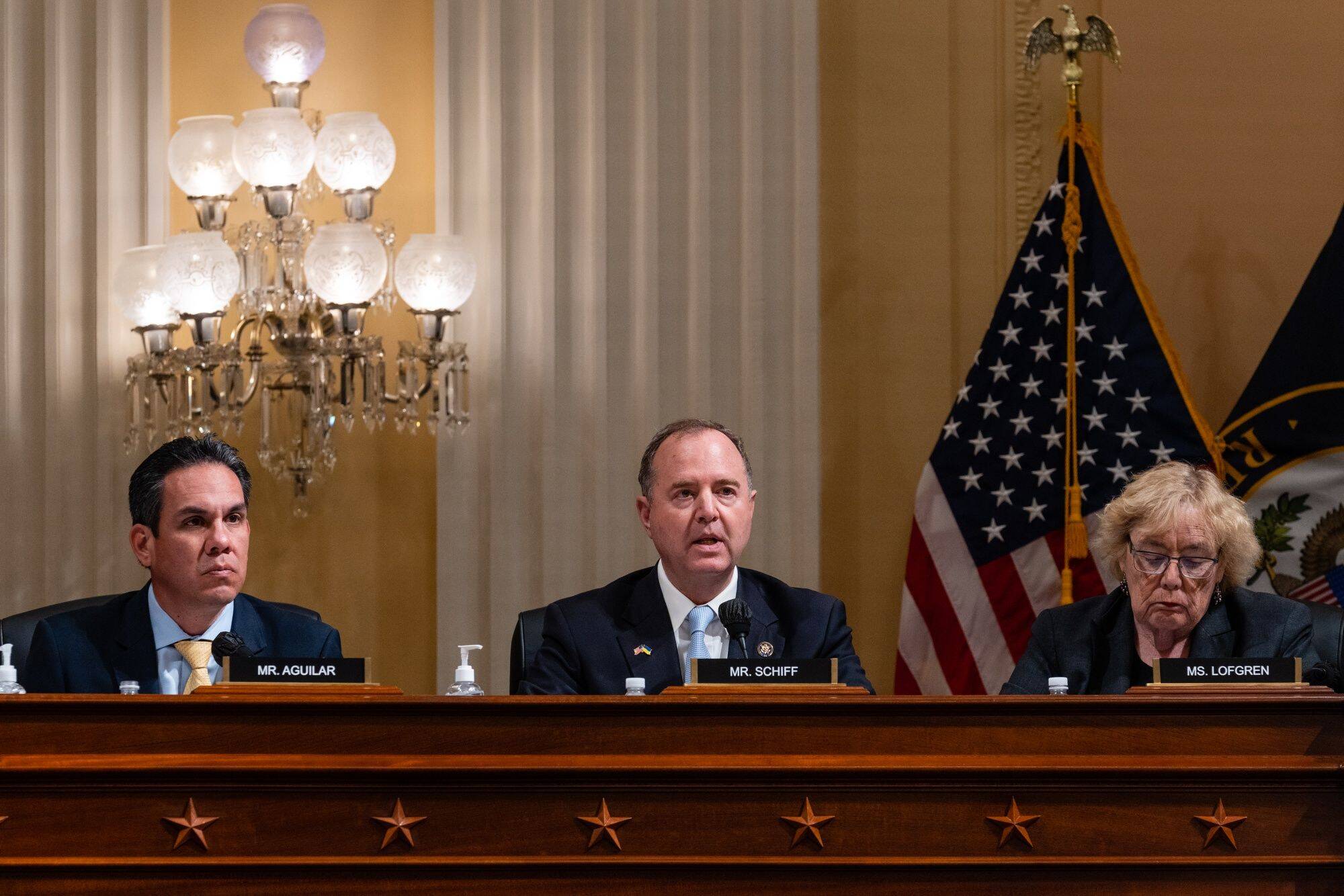 Members of the Jan. 6 committee. (Bloomberg News) | What they've found out: Most of their investigation has been behind closed doors, but journalists have managed to report on some of what they've found. The main piece of recent news has been text messages to then-White House Chief of Staff Mark Meadows. These texts reveal a litany of top Republicans and conservatives — including lawmakers such as Reps. Marjorie Taylor Greene (R-Ga.) and Jim Jordan (R-Ohio), and Ginni Thomas, the wife of Supreme Court Justice Clarence Thomas — encouraging Trump to keep going with his fraud claims or to even declare martial law, or to say something on Jan. 6 to stop the violence at the Capitol. America's vast natural gas and oil reserves are the envy of the world. At a time of geopolitical volatility and rising energy costs, they are also a strategic national security tool. Learn more here. | | | | | The committee obtained these texts because Meadows started cooperating with the committee — before he abruptly stopped. Congress held him in contempt for that. They also seem to be leaning toward advocating Trump get charged with a crime, specifically for allegedly trying to obstruct an official proceeding of Congress, with pro-Trump protesters storming the Capitol while Congress was certifying Joe Biden's win. Rep. Liz Cheney of Wyoming, the top Republican on the committee, has talked about this a few times. The Justice Department would decide whether Trump would get charged. They say they have much more to reveal: "Most of the evidence has not been divulged," Rep. Jamie Raskin (D-Md.), a committee member, told The Post's Early 202 in an interview published today. "And, in any event, it has not been put together in a way that tells a single coherent story. And that's our challenge." They will hold a ton of hearings in June: We may better understand what Raskin means in June. The committee says it is planning about eight hearings on their findings. As Raskin said, their job will be to tell the complex story of what led up to and happened on Jan. 6, and in a manner that Americans can comprehend — and will care about. A look at how Trump's wall is faring against record-high border crossings 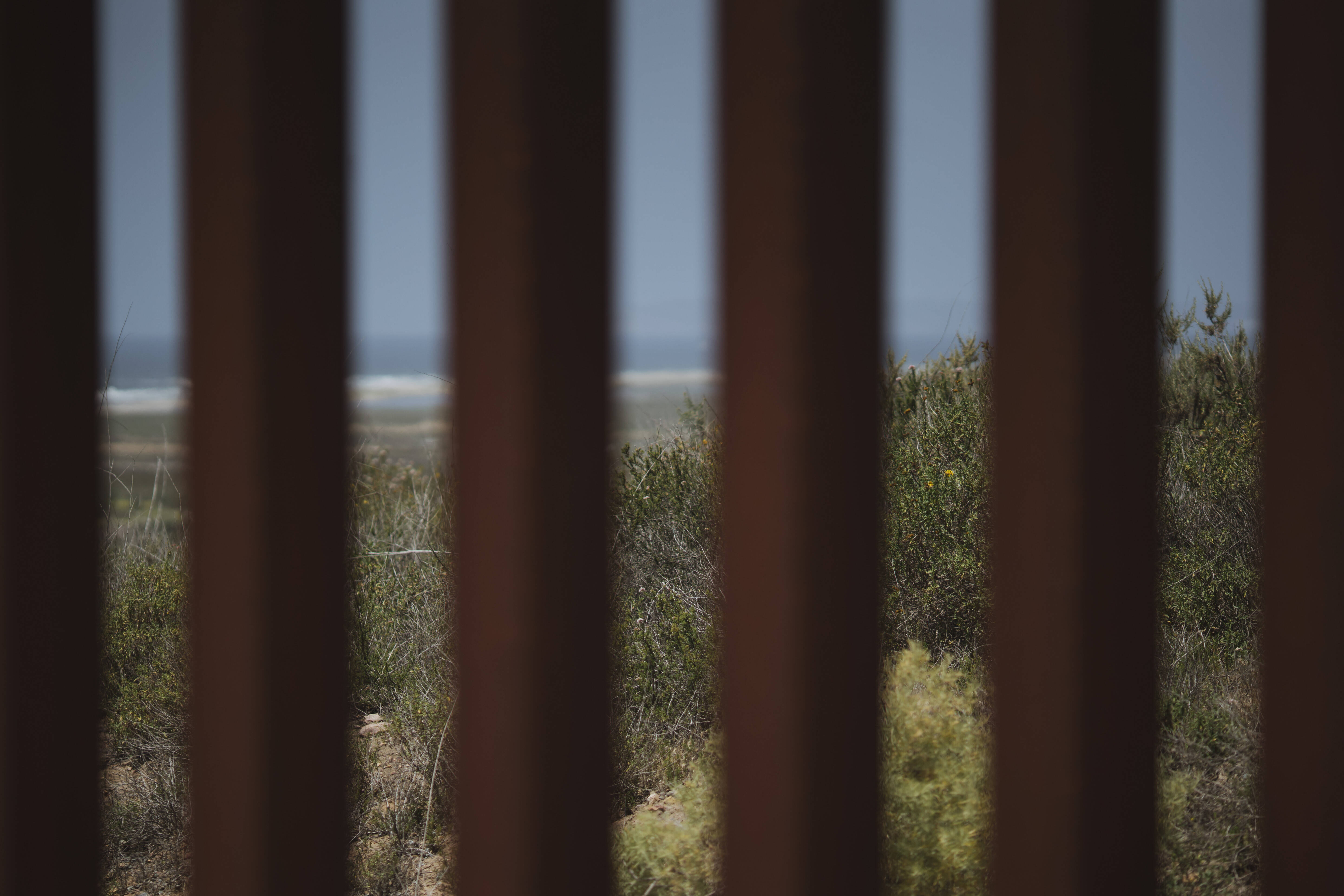 A section of the border wall in San Diego. (Eric Thayer for The Washington Post) | "Build the wall" was a winning rallying cry for Trump during his 2016 campaign. He ended up completing 450 miles of new fencing along the nearly 2,000-mile Mexico border — a fraction of what he had promised to construct. (President Biden halted construction on the wall.) The wall is a potent symbol of the Trump presidency and, to many, a reminder of his hard-line anti-immigrant rhetoric and policies. But it has not proved to be the impenetrable force Trump sold it as. The wall has been breached more than 3,000 times by smugglers, our colleague Nick Miroff reported last month. Many of those who got through just sawed through with power tools. And attempts to climb the wall have proved deadly. A new study out today shows how much more dangerous the wall is than older barriers. Along the border in California, the number of patients arriving at one hospital's trauma ward after falling off the wall has increased fivefold since Trump erected higher barriers there. A woman died in early April after getting stuck trying to climb over the wall using a harness. Hospitals also end up absorbing millions in unreimbursed costs since these patients lack health insurance, Nick explains. A number of Republicans are campaigning in November's midterm elections to keep building the wall. "As Alabama's senator, I'll fight to finish President Trump's wall," GOP candidate Katie Britt said. Maybe schools aren't that controversial We — including in this newsletter — spend a fair amount of time documenting the political controversies surrounding schools. Since the pandemic made virtually every American parent a teacher overnight, schools have become the front lines in culture wars of all kinds: School board members have received death threats. Potentially controversial books are disappearing from school libraries. Republican legislators are banning teachings about critical race theory or certain LGBTQ issues. But a new NPR and Ipsos poll finds that much of that may be just noise to the average public school family. Most parents are happy with their child's education. "By wide margins — and regardless of their political affiliation — parents express satisfaction with their children's schools and what is being taught in them," NPR reports. | 



 Email
Email 


No comments:
Post a Comment