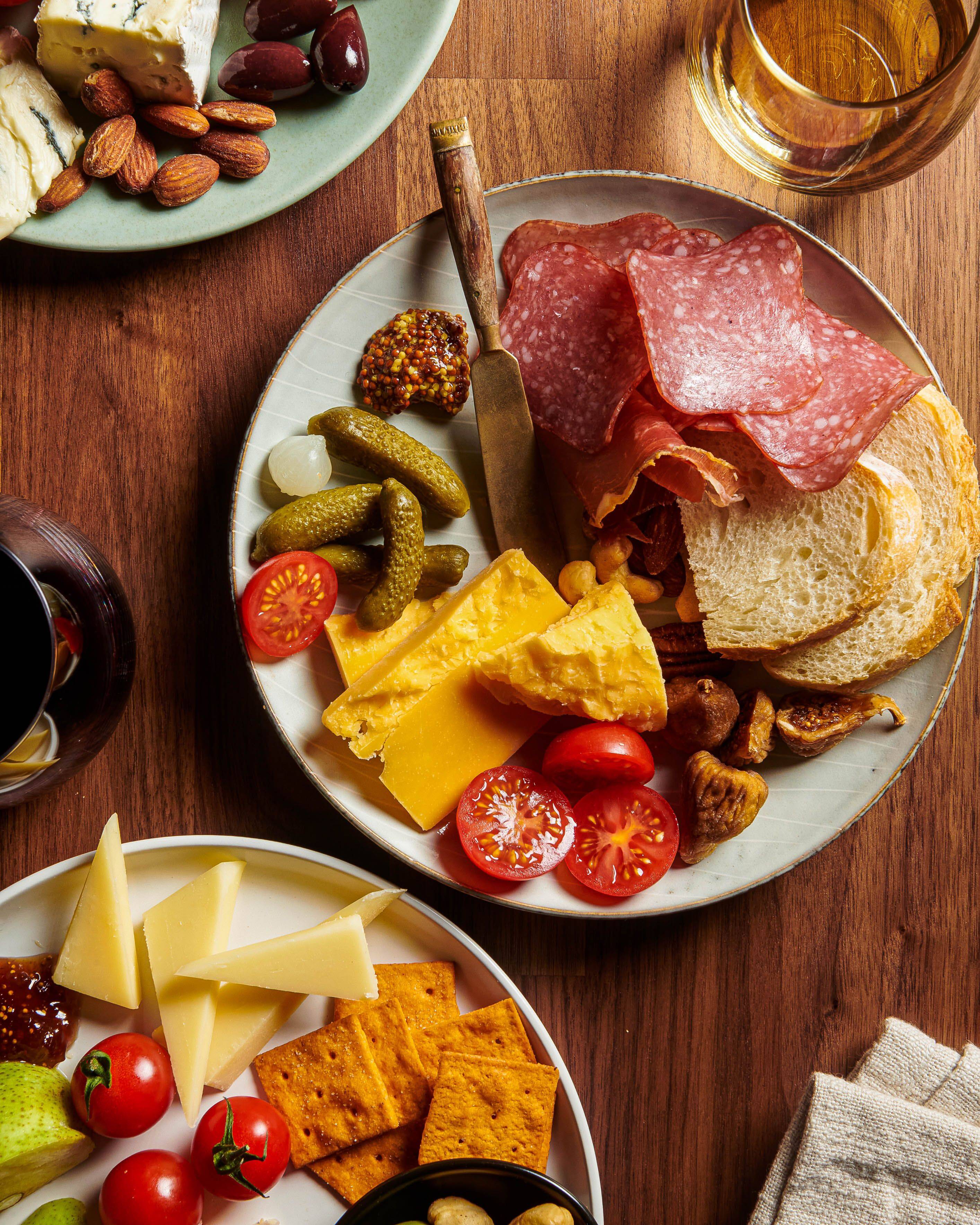
| Did a friend forward this to you? Sign up here. The art of fending: Snacks for dinner For the past 16 months, this newsletter has followed a fairly strict structure: I write a few paragraphs up at the top, often about cooking or life or something that's inspired me lately. This is followed by a standardized recipe: an ordered list of ingredients, with precise measurements, followed by an ordered list of instructions on what to do with those ingredients. Today, we're breaking the rules. Instead of a recipe, you're getting something like a formula. This week, I wrote about a habit that's proliferated during the ongoing pandemic. It's what cartoonist Roz Chast calls fending, what I refer to as snacking, what recipes editor Ann Maloney's mom called Every Man For Himself: The concept of cobbling together a hodgepodge of odds and ends from the fridge, freezer and pantry that, when assembled on one plate, forms a meal. (Read my full story on Voraciously here.) As Chast explained in a New Yorker cartoon and story, the idea of "fending" for dinner is to minimize dishes and waste. You might pair last night's roasted chicken with this afternoon's broccoli salad, a handful of cheese crackers and a pile of cherry tomatoes. Two-day-old garlic bread is pretty good dipped into leftover marinara, with a wedge of sharp cheddar and ribbons of thinly sliced turkey breast. A hunk of jarred tuna, a knob of parmesan, a handful of basil leaves, an apple and leftover pasta? Chana dal slightly mashed and spread on flatbreads heated up on a burner with shredded cheese melted on top? Hummus, a cucumber, a carrot and a plum? Leftover jackfruit tinga stuffed into a roll with crushed tortilla chips? Sure, why not. The concept is not unique to the pandemic, but when we were all stuck at home for months on end, it certainly seemed to grow in popularity. Chast, who has written more than a dozen books, got curious about what other people called this habit, so she posed the question to her Instagram followers. More than 1,700 people responded. Cookbook author Lukas Volger encountered the concept some years ago while visiting a friend in California. He was so inspired by the experience that he wrote a whole book about it: "Snacks for Dinner: Small Bites, Full Plates, Can't Lose." I love how he organized the book, with chapters like "Crispy-Crunchy," "Tangy-Juicy" and "Scooped and Smeared" that capture the textural traits of each snacky component. "Not every single category needs to be represented in a single meal, but most of them ought to," Volger writes. "One thing I particularly like about these meals is how they shake up the traditional composition of a protein plus two sides by diversifying the plate with smaller amounts of different foods. It's a style of eating that especially makes sense for vegetarian and vegan cooking. The food is fun and satisfying, and nutritional balance happens easily." If this concept is new to you, I'm delighted to be the one to introduce it to you! If it's something you've always done, let me know what you call it: eatvoraciously@washpost.com. (A quick programming note: Eat Voraciously is taking a day off Monday — happy Fourth of July! — and will be back in your inbox Tuesday morning.)  | Today's recipe | 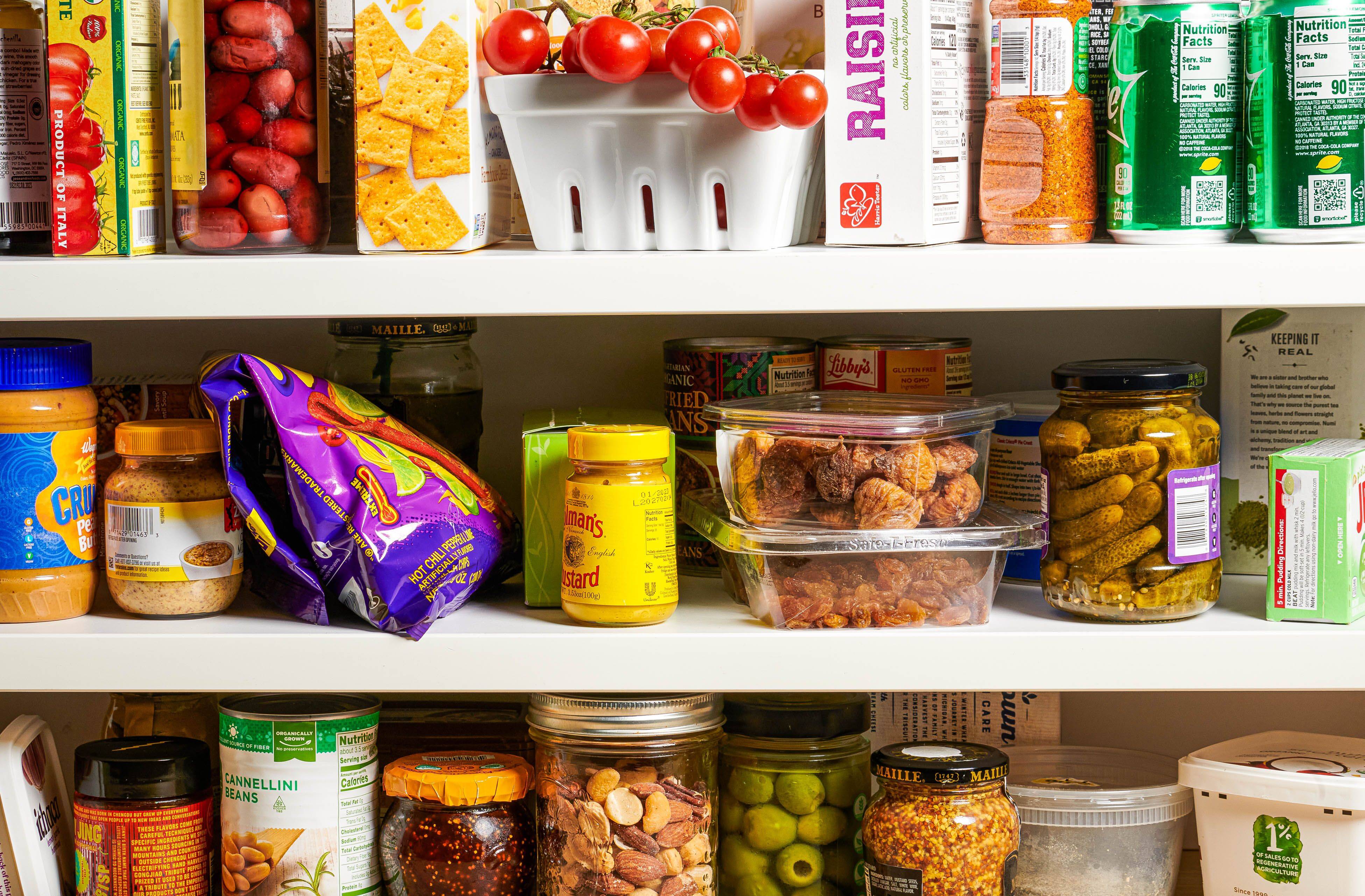 Photos by Rey Lopez for The Washington Post; food styling by Lisa Cherkasky for The Washington Post | How to Fend for DinnerFor dinner tonight, I suggest we fend. If you're out of leftovers, you'll have to rely on your pantry, fridge and freezer. Here's a rough outline, below. Keep in mind that you'll need to vary the quantities based on how hungry you are, and how much of everything you have on hand. Ideally, you'd pick 1 or 2 from almost every category for a total of 5 or 6 items per plate: Fruits, vegetables and pickles, such as:
Olives, drained
Kimchi
Cherry tomatoes, halved
Apple, pear or peach, sliced
Cherries or berries
Pickled, roasted or sauteed mushrooms
Cornichons, gherkins or other pickles
Dried fruit such as figs or apricots
Cucumbers, sliced or chopped
Carrots, cut into sticks Nuts and seeds, such as:
Cashews
Pistachios
Almond butter
Pepitas Meats and cheese, such as:
Leftover roasted chicken
Salami
Prosciutto
Leftover roast pork
Canned or jarred tuna or other fish
Silken tofu
Tofeta
Country ham
Smoked turkey
Cubed or sliced cheddar, gouda, Swiss, brie, or other firm or ripe cheese
Crumbled blue cheese, feta or paneer
Fresh goat cheese Spreads and sauces, such as:
Hummus or other bean dip
Baba ganoush or other vegetable dip
Labne or yogurt
Guacamole or half an avocado
Salsa, such as pico de gallo
Chutney
Mustard Carbs, such as:
Bread or crackers
Leftover noodles, pasta or rice
Steamed grains
Chips
Popcorn Other:
Hard or soft-boiled eggs
Nori
Braised, baked, boiled or marinated beans
Crispy chickpeas
Hot sauce or chile oil
Honey Catch up on this week's Eat Voraciously recipes:
Monday: Eggplant Bread Salad
Tuesday: Shrimp Burgers With Kimchi
Wednesday: Chicken Salad With Berries and Lemon Poppy Seed Dressing
The Eat Voraciously newsletter recipe archives  | Dessert | ❓ "What should I grill for a big group?" — See the answer and more helpful tips in the transcript from Wednesday's weekly Voraciously Q&A with Aaron Hutcherson and Becky Krystal.
🎧 "House of Earth" by Lucinda Williams.
📱 "Social media app BeReal promises reality. With food, that's not easy." by Jess Eng in The Post.
📖 "Physicians face confusion and fear in post-Roe world" by Ariana Eunjung Cha in The Post.
👀 Foraged parchment.
🗣 If you liked this newsletter, please forward it to a friend! | 



 Email
Email


No comments:
Post a Comment