Here's why it may be time to break up with your bank 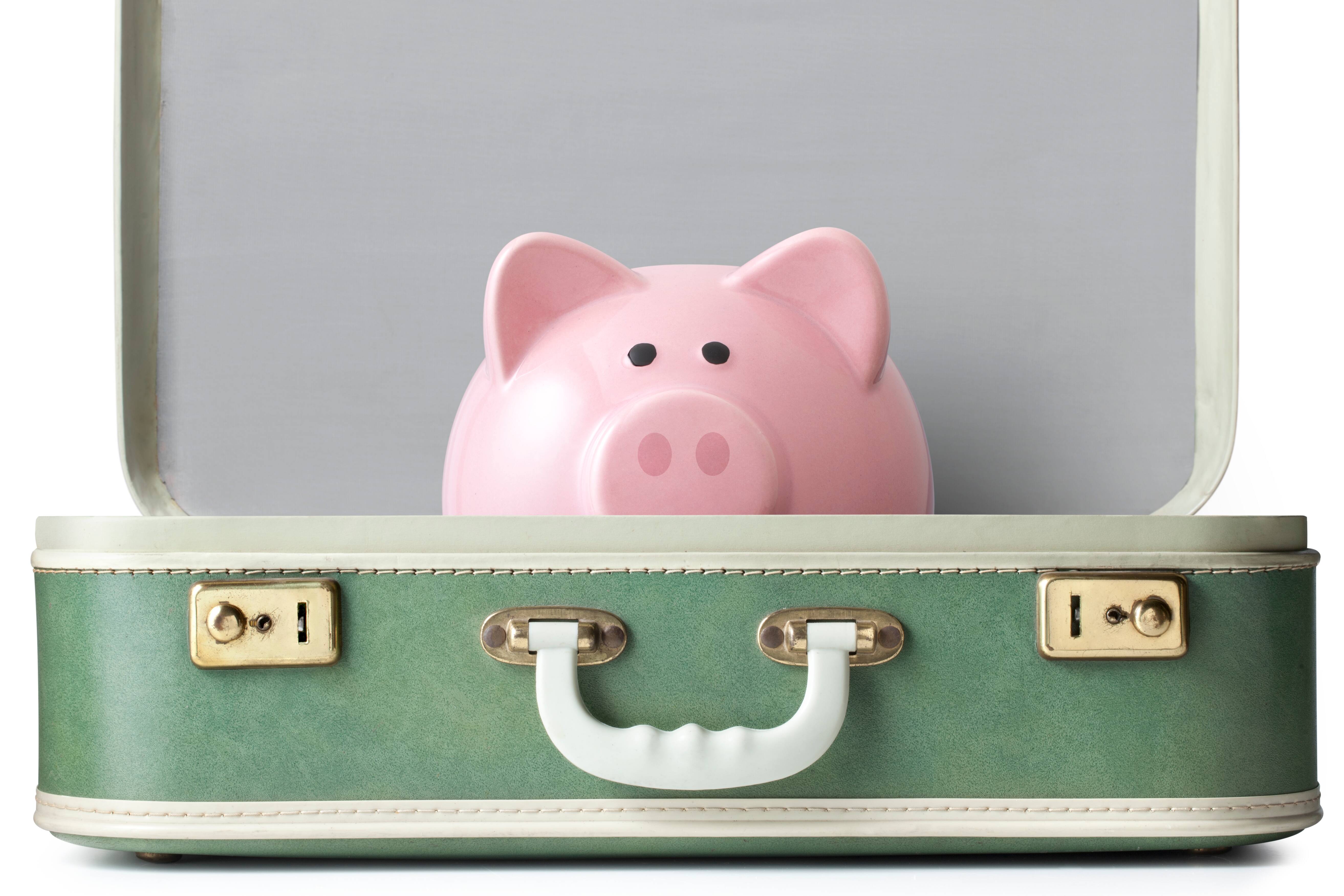 (iStock) | The Federal Reserve has signaled that more interest rate hikes are coming this summer. That's worrisome if you're borrowing money. But if you're a saver, it's welcome news because it means earning more on the money you have parked at a bank. Since the Great Recession, stockpiling money at a bank or credit union has almost felt like depositing your money in your mattress, given the minuscule interest rates financial institutions have been paying for funds in a checking or savings account. Then high inflation hit. This had led the Fed to increase interest rates in an effort to dampen consumer demand and decrease inflation. "For the last 2½ years, interest rates went down, and then inflation went way up," said Greg McBride, chief financial analyst at bankrate.com. "That's the worst of both worlds for a saver. Now at least things are moving in the right direction. Interest rates are going up and the goal is to bring inflation down." If you're following the advice to keep a healthy emergency fund, you might be wondering if you should break up with your bank for a higher rate on your savings. I talked to McBride about questions savers should consider if they are planning to move their money for a better return. WHAT TO KNOW - Where should people search for high-paying savings accounts?
- Can people trust putting their money in an online bank?
- Is it really worth the effort to switch banks?
- Is it too soon to switch banks?
- Why shouldn't people just invest their emergency funds?
Where should people search for high-paying savings accounts? As of May, nationally available savings accounts were offering yields of just 0.8 percent to 1 percent, according to bankrate.com. Many online banks have rates higher than the national average. In a bankrate.com survey, LendingClub Bank, an online bank, was offering a 0.85 annual percentage yield (APY) with no minimum balance as of May 31. At that yield, an account with $25,000 would earn about $213, according to bankrate.com's simple savings calculator. A Bank of America savings account was offering 0.01 percent with a minimum balance of $100, or just $3 over 12 months, according to the survey. "The banks already paying better yields are much more likely to remain competitive by increasing those payouts further as interest rates rise," McBride said. [Oil prices surge, gas hits new high after E.U. cracks down on Russia] Can people trust putting their money in an online bank? Technology has long transformed traditional banking. I do most of my banking on my mobile device. I pay bills, transfer funds and even deposit checks using my iPhone. I only need to visit an ATM about once a month for the few times I need to use cash. If you're going to use an online-only bank, just make sure the banking entity is insured by the Federal Deposit Insurance Corp. (FDIC). If you're comfortable with digital banking and looking to maximize every penny you can earn on the money you just plan on parking for a while, consider an online bank. Your feedback Read: Stock market tumble booted workers from the 401(k) millionaire's club Did you drop from the 401(k) millionaire's club? Did you change your investment strategy as a result of losing your 401(k) millionaire status? Send your comments to colorofmoney@washpost.com. Please include your name, city and state. In the subject line put "Millionaire's Club." If you have a personal finance question for Washington Post columnist Michelle Singletary, please call 1-855-ASK-POST (1-855-275-7678). Send your comments and questions about personal finance to colorofmoney@washpost.com, but due to the volume of mail, personal responses may not be possible. Please also note comments or questions may be used in a future column, with the writer's name, unless a specific request to do otherwise is indicated. | 



 Email
Email


No comments:
Post a Comment