| The latest legal drama around the documents Donald Trump took with him from the White House — and which the FBI took back — is about whether a "special master" should be appointed to sift through them for Trump. What is a special master? It's a neutral, court-appointed official who could look through the hundreds of documents the FBI took from Mar-a-Lago to make sure that none of them included personal or privileged information on Trump. (We know that these boxes, during Trump's presidency and afterward, were often haphazardly packed, with classified government secrets piled on top of newspaper clippings or photos.) How it could help Trump: Trump's team made an unusual request in court for a special master. It's unusual in part because he's claiming executive privilege to keep documents from the executive branch, one legal expert told me. This weekend, a judge seemed inclined to grant him one. Having a special master could delay the government's investigation, said Stanley Brand, a lawyer who represents people in government investigations. "You could get conflicting views between the Justice Department and whoever the special master is about these records," Brand said, and that could give Trump an opportunity to launch a long legal battle over what the government can have. Why he might not get one: The FBI has already gone through all of the documents and set aside any that could be privileged, they said Monday. That could undercut Trump's argument that he needs a special master, reports The Post's Devlin Barrett. His request may come too late; the FBI has already seen it all, and that would make a special master moot. The National Archives is not just a bureaucratic agency 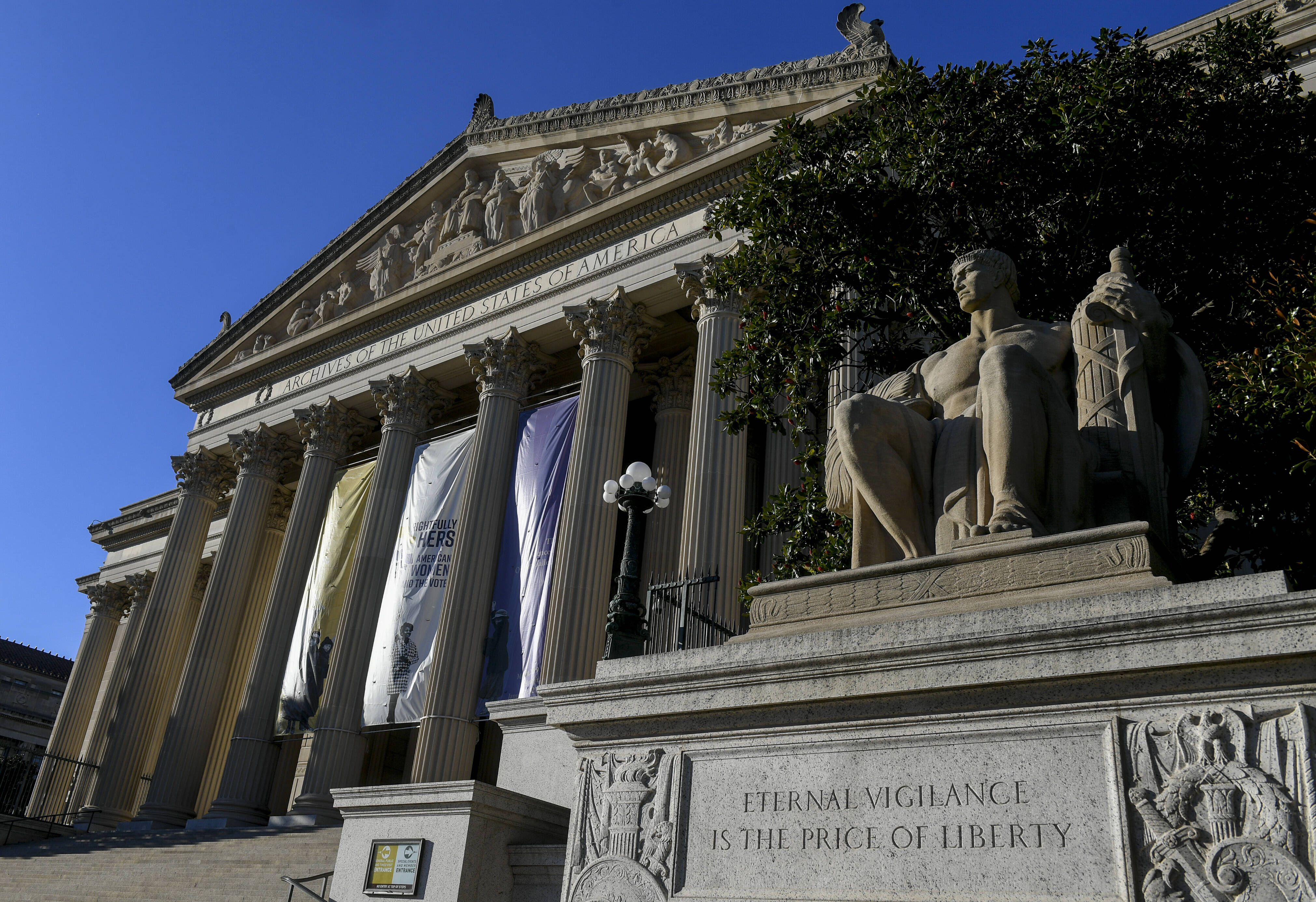 The National Archives in Washington. (Jonathan Newton /The Washington Post) | It was National Archives staff who realized that Trump took official records with him when he left office. When they got some back (after a year of asking), archivists discovered some of the documents were marked classified. They flagged the FBI, and now here we are. And now these officials feel under attack for doing their jobs, report The Post's Jacqueline Alemany, Isaac Arnsdorf and Josh Dawsey. It's easy to see the National Archives as a dusty, obscure agency. But from Ronald Reagan to Bill Clinton, these officials are used to fighting outgoing presidents for records. Outgoing presidents don't take lightly to letting someone else shape their legacy, so there's almost always some tussle involved at the end of an administration about what to hand over to archivists, my colleagues report. (Experts explained to me that by law, the National Archives decides which presidential records to preserve, which ones can become public and which ones should be private or redacted, based on potential national security concerns or other reasons. A president can destroy a document only after receiving permission from archivists to do so.) Trump seems to be the most egregious violator of the law requiring presidents to preserve their records in its 44 years of existence, historian Robert David Johnson told me earlier this year. And now he's facing potential prosecution for it. A Senate race to know about: Wisconsin A year ago, only the most optimistic Democrats thought about winning the Wisconsin Senate race. But now, Democrats have a real chance to unseat one of the chamber's most conservative members this November. It would be a huge win for the party. Here's what to know about the candidates and the dynamics of the race. 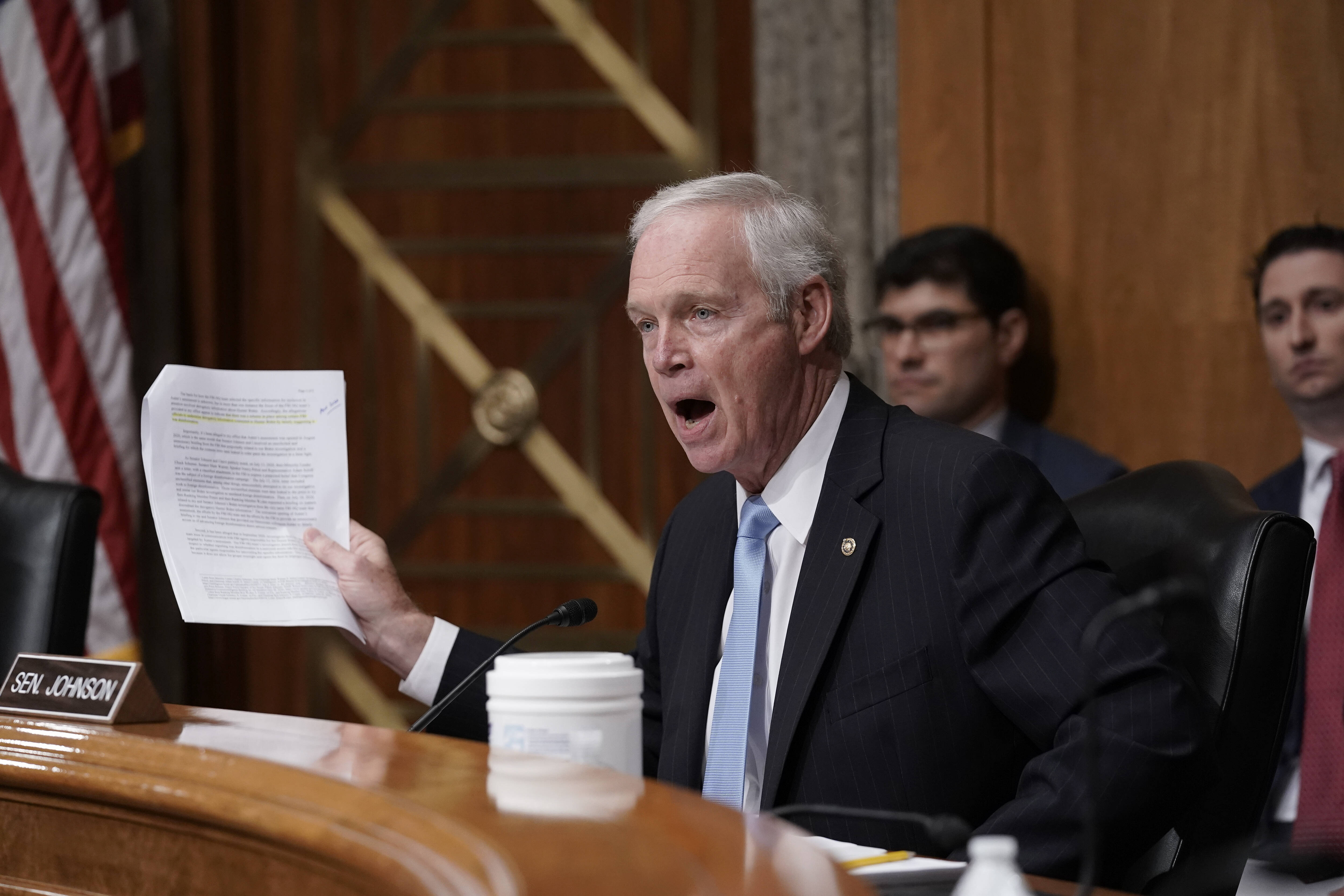 Sen. Ron Johnson (R-Wis.) (J. Scott Applewhite/AP) | On the Republican side, Sen. Ron Johnson: Johnson is the only Republican senator running for election this year in a state that voted for Joe Biden in 2020. That alone makes him the most vulnerable Senate Republican. Johnson has also leaned into misinformation in the Trump era, and it's affecting his popularity in this swing state. ("All these athletes are dropping dead on the field" from coronavirus vaccine, he falsely claimed earlier this year.) The Jan. 6 congressional committee also said Johnson's office tried to give Vice President Mike Pence a slate of illegitimate electors ahead of Congress certifying Biden's win on Jan. 6. The vice president's office said it didn't want this list anywhere near the vice president. Amid all this, recent polls show Johnson trailing his Democratic challenger.  Mandela Barnes. (Lianne Milton for The Washington Post) | On the Democratic side, Mandela Barnes: Barnes is Wisconsin's lieutenant governor. He's got a unique profile for Wisconsin — some Democrats view it as a strength, others as a liability. He's mostly liberal, young (35) and aiming to be the 12th Black U.S. senator ever — and the first from Wisconsin. While he inspires liberals in the state, can a guy who once posed with an "Abolish ICE" T-shirt win over Midwest independents and unseat an incumbent? In the past, observers have made the mistake of prematurely counting Johnson out, only for him to surprise everyone and win reelection. | 



 Email
Email


No comments:
Post a Comment