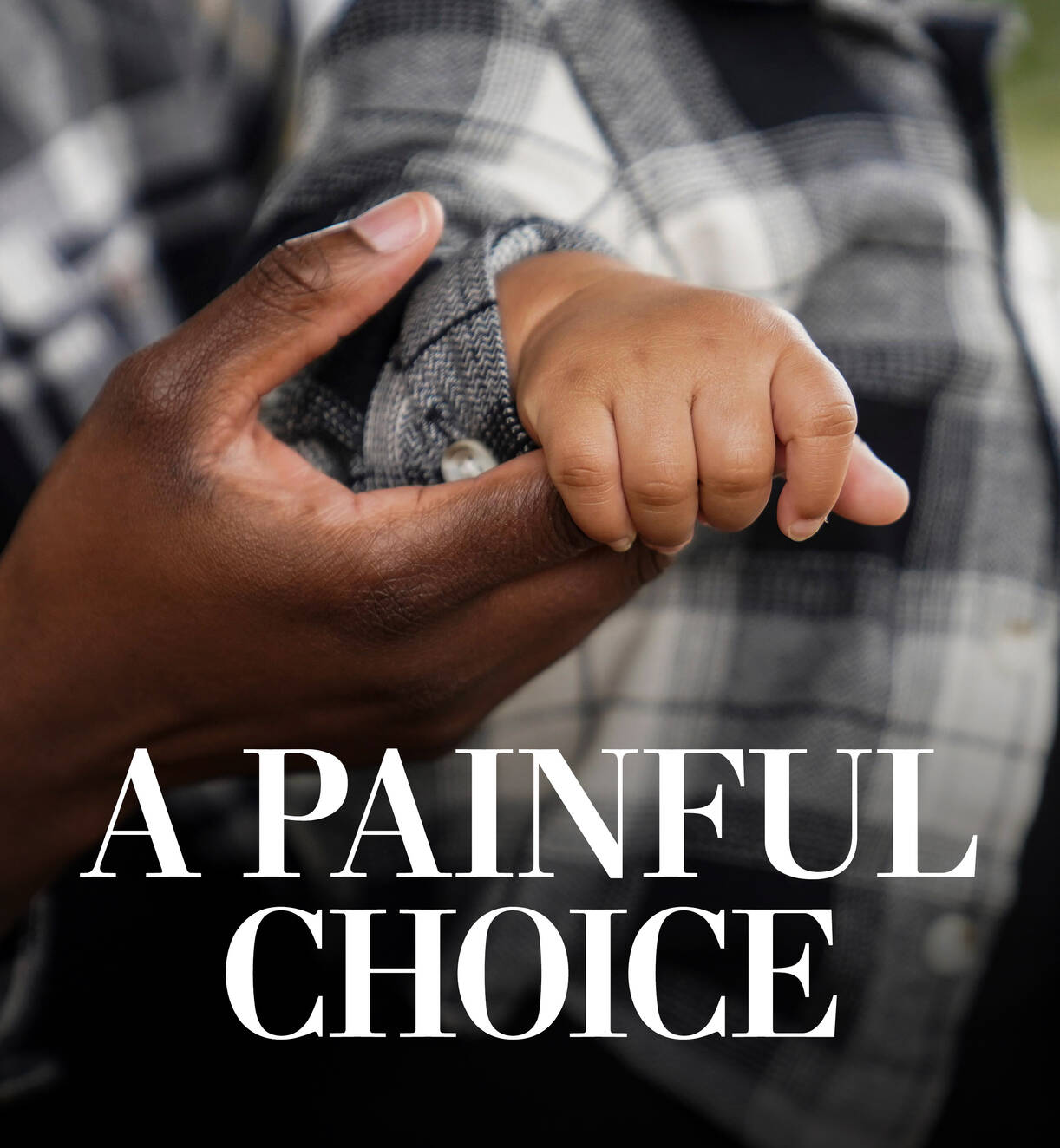
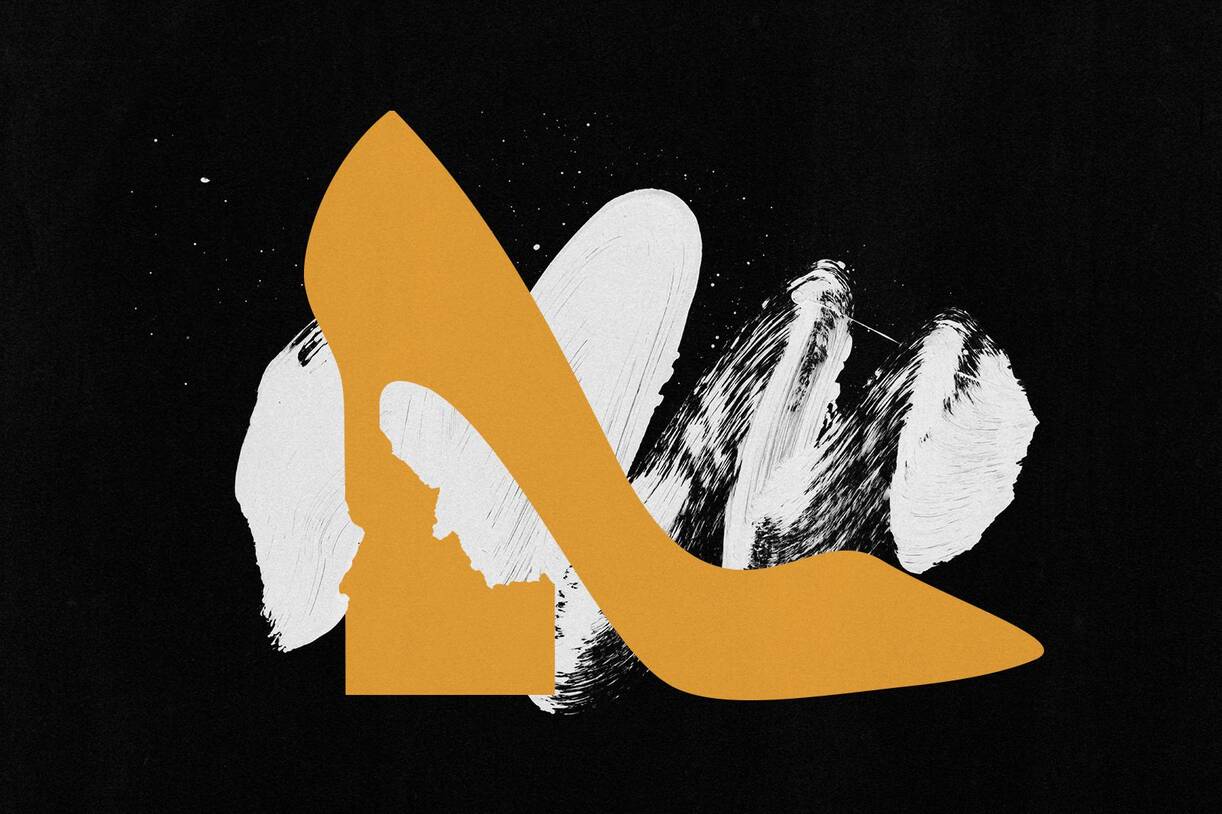
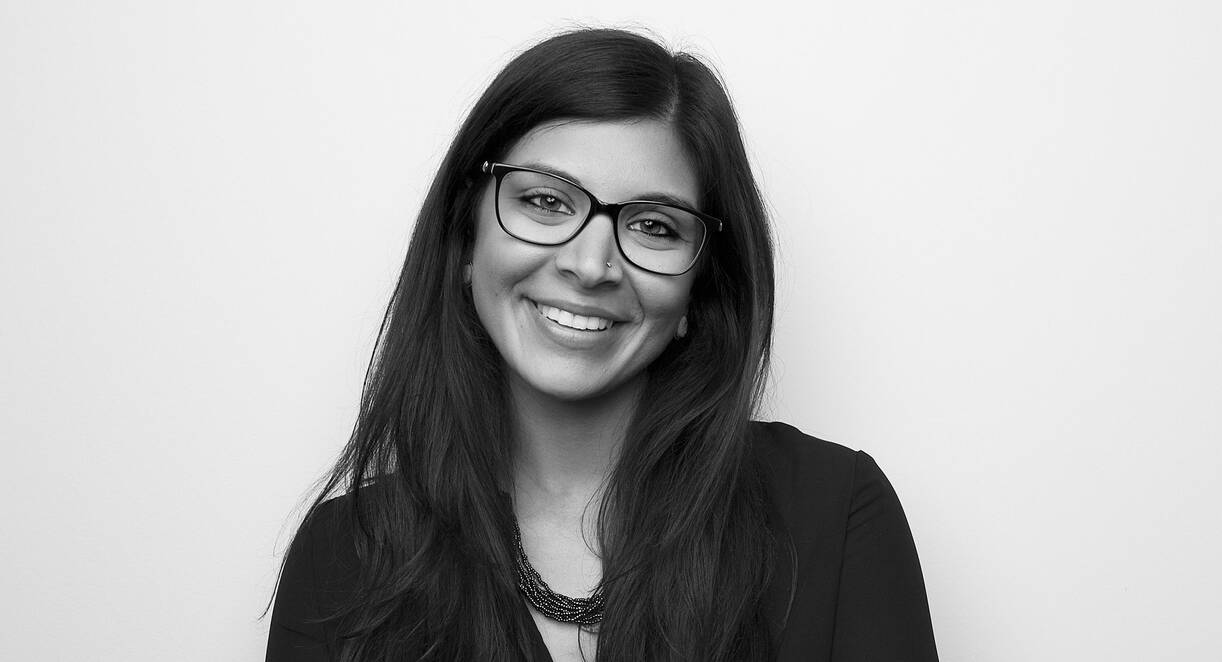
| | | | Black sperm donors make up just 2 percent of the available supply. Black women are paying the price. | | Every night a little after 1 a.m., following her shift as a guard at a women's prison, Reese Brooks would open her laptop, a second laptop, then her phone and a tablet, and begin scouring websites for sperm banks, opening dozens of tabs. The websites offered hundreds of potential sperm donors, allowing Brooks to select for movie-star looks, height and hobbies, but when she filtered for Black or African American donors, her options swiftly dwindled. The cryobanks gave Brooks a chance at motherhood, but they could not provide what she wanted: a Black sperm donor who could give her a child who looked like her and shared her culture. "I'd say I spent 40 hours a week looking for a donor. All together, I think I searched more than 800 hours," Brooks said. But when it came to a Black donor, she said, the choices were slim to none. | | 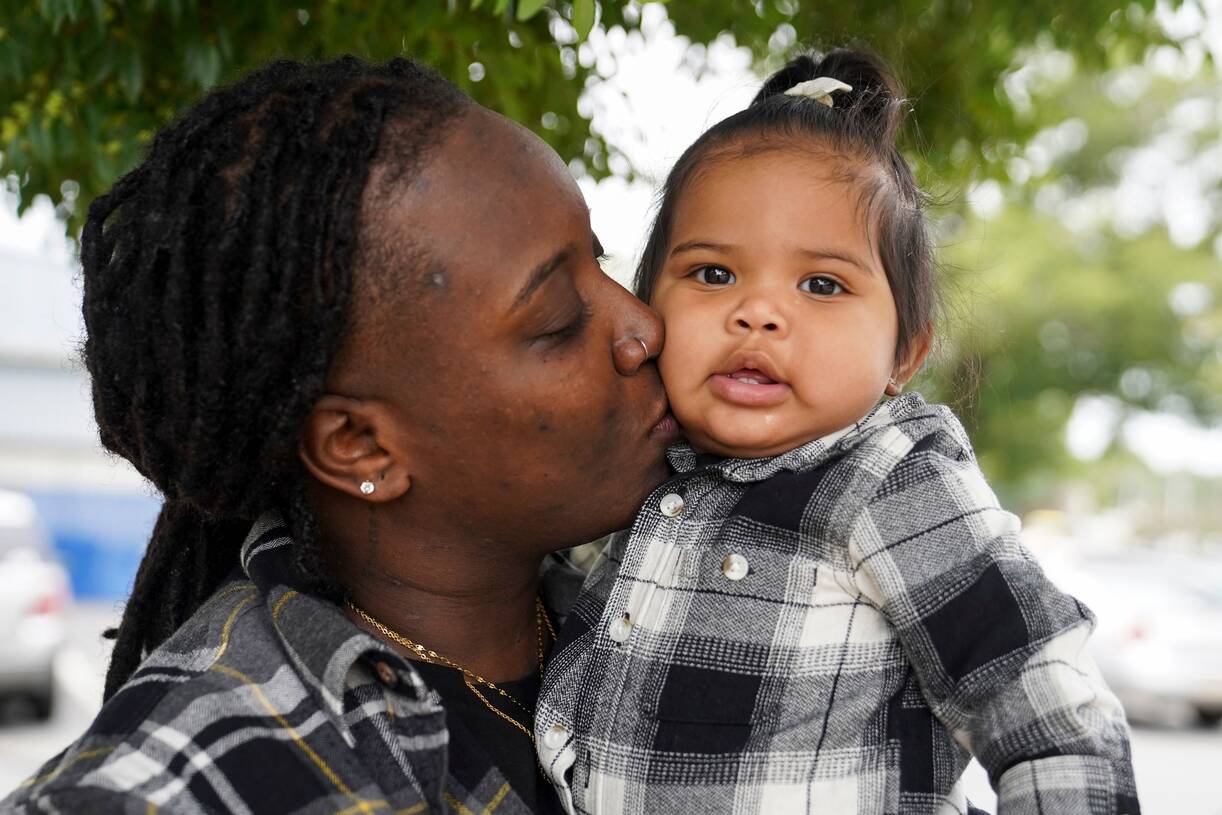 | | Reese Brooks and her daughter Auzura Brooks enjoy eating ice cream in Delaware. | | Cryobanks reported that the number of Black women seeking their services to conceive rose sharply during the pandemic after increasing steadily over the years. Black women between the ages of 35 and 45 are far more likely to remain unmarried than women from other racial groups, according to the latest Census data, with 44 percent of non-Hispanic Black women unmarried, compared with 16 percent of White women. Yet Black sperm donors represent just a fraction of available supply, fewer than 2 percent at the country's four largest sperm banks, according to an analysis by The Washington Post. The severe shortage is forcing Black women who need donor sperm into a painful choice: Choose a donor of another race and raise a biracial child or try to buy sperm from unregulated apps and online groups. | | | | | Three need-to-know stories | | 01.A Republican activist in Idaho has sponsored a resolution that, explicitly targeting the LGBTQ community, proposes banning "the use of Idaho tax dollars to be used in the funding of any biased, self-aggrandizing, illustrative-sexualized events." Now some Idaho drag performers and their supporters are mobilizing. 02.Miss Brands has been suspended following claims from contestants that its Miss USA Organization gave preferential treatment to Miss Texas R'Bonney Gabriel, who was crowned the winner on Oct. 3. The corporation is being investigated, the Miss Universe Organization told The Post. 03.Officials said they have identified nearly all of the victims of a deadly crowd crush during Halloween celebrations in the South Korean capital on Saturday evening that left at least 153 dead and about 82 injured. Two U.S. nationals are among the dead, the U.S. Embassy in Seoul said in a statement. Follow the latest updates. | | | | | | | | (Jesse Dittmar for The Washington Post) | | We are devastated by the passing of Neema Roshania Patel, a founding editor of The Lily and most recently an editor with the Next Generation audience development team. She died at age 35 at a Washington hospital last week. The cause was gastric cancer, said her husband, Akshar Patel. On the podcast "Motherly," Neema called The Lily "a stopping place on the internet where we could bring together the best stories on women and gender." Among the projects she shepherded were the "Anxiety Chronicles" mental health series and a book club that featured literature by female authors, often women of color. As a leader, Neema was passionate about elevating young, diverse voices. As a storyteller, she wanted us to see each other more clearly. As a friend and mentor, she is irreplaceable. Read her full obituary in The Post. | | | | | But before we part, here is someone to know. | | | (Sarah Voisin/The Washington Post) | Amber FergusonSenior video editor, The Washington PostWhat inspired you to look into the Black sperm donor shortage?
Three years ago, my cousin casually mentioned that she was trying to find a sperm donor. But she said she could only find two Black sperm donors. I honestly thought she was being picky. It was not until I froze my eggs last year that I started thinking more deeply about the different paths women take to reach motherhood. So I randomly searched a cryobank website and filtered for "Black" under race. There were only three Black donors out of hundreds of profiles. I realized my cousin was not picky. She really just had few options. Your pieces often package text, graphics and video together. Why is this kind of storytelling so important?
To me, when you want to make an impact, you have to present a project with multiple elements to grab a wide range of readers. For this story I wrote two articles, filmed and edited an original video, and worked with Post Reports on a podcast to further explain the shortage of Black sperm donors. My main goal was to reach as many Black audiences as I could. I want younger Black men to apply to be sperm donors, I want Black women to know this is an issue before they begin their fertility journey, and I want people to know the continuing inequities Black people face when it comes to reproductive health care. After almost a year of working on this project, how are you unwinding?
I'm taking two weeks off work in November and going to Puerto Rico. I'm so excited to lie on the beach. | | | | | | | | | |




No comments:
Post a Comment